

11
Feb
Keynote interview
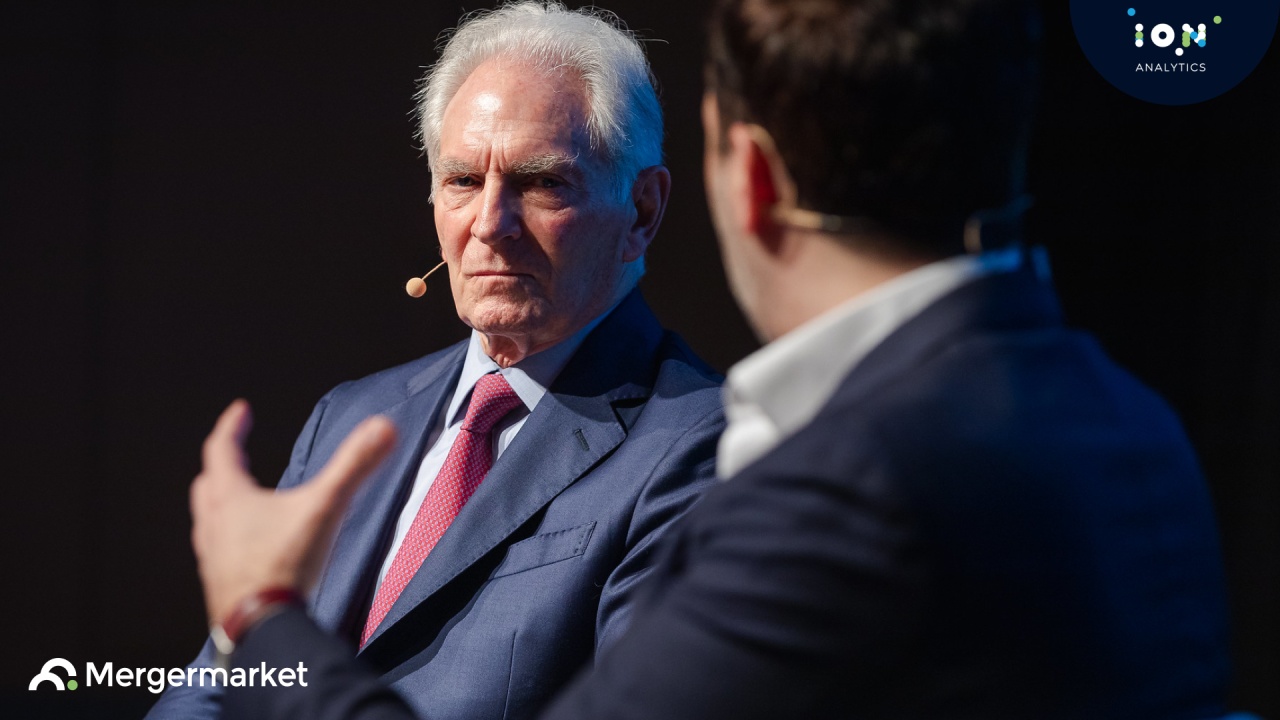
In this keynote interview, a high-profile speaker will discuss the current global economic conditions and the implications for private equity investment strategies in the Middle East.





Clips
Introduction
The MENA region is shifting from Western trade ties to stronger economic integration with Asia, especially China. In this discussion, Elia Anos welcomes Dr. Sarai, a leading economist, to explore how GCC countries and emerging markets are adapting to new global economic trends.
Economic Transformation
The Middle East is shifting from Western trade ties to stronger connections with Asia, especially China. By 2027, GCC-China trade will exceed its trade with the West. Infrastructure investments, regional integration, and new trade agreements are driving this transformation.
 play_arrow
Energy Transition and Diversification
The GCC aims to make solar and renewable energy dominant by 2035–2050 while rapidly diversifying its economy. The UAE leads with a 75% non-oil economy, and Saudi Arabia is accelerating trade, production, and revenue diversification. These shifts reduce reliance on oil, create jobs, and open new economic opportunities.
Future of Merger Acquisition in Energy
The energy transition is driving increased mergers and acquisitions in the sector, particularly in fossil fuel asset management. GCC countries are working to de-risk these assets by privatizing both upstream and downstream operations. As the world shifts toward renewables, stranded fossil fuel assets pose a risk, accelerating the push for strategic investments and partnerships.
Capital Markets Financial Integrations
The rise of digital currencies and the use of the Yuan for trade settlements are reducing reliance on Western financial networks. Sovereign wealth funds are increasing investments in China, while financial market linkages between the GCC, Hong Kong, and Singapore continue to grow. This shift is creating a two-way flow of capital, positioning the region as a key financial hub.
Regionalisation vs Western Influence
The GCC is driving regional economic integration, linking neighboring countries into global supply chains while reducing reliance on Western policies. With financial strength and growing soft power, Gulf nations are stabilizing economies like Egypt and leading reconstruction efforts in war-affected countries.
Infrastructure as a trade enabler
The GCC is emerging as a global trade corridor, enabling countries like India and African nations to bypass heavy infrastructure investments by leveraging its world-class ports and airports. This shift is redefining infrastructure as a service, integrating regional economies and attracting investment in asset management.
Investment Business Opportunities
The GCC is expanding investment in AI, data centers, electric vehicles, and renewable energy, with electrification and intelligent infrastructure driving transformation. The region's climate challenges present opportunities in solar energy exports, district cooling, and climate adaptation technologies. Retrofitting infrastructure for climate resilience could require $2–3 trillion by 2030, creating significant business opportunities.
Sovereign Wealth Fund Strategies
GCC sovereign wealth funds are shifting investments from the West to Asia while also prioritizing local economic growth. Post-COVID strategies focus on renewable energy, AI, and climate technologies to diversify beyond oil. The region is emerging as a global hub for both fossil fuels and renewables, leveraging its vast solar potential.
Optimistic Outlook
The GCC is experiencing strong economic growth, with the UAE projected to expand by up to 5.5% and the broader region around 4%. While tourism remains important, structural transformations in emerging sectors present new investment opportunities.
Confirm cancellation
Something went wrong.
An error occurred trying to play the stream. Please reload the page and try again.
CloseSign-up to join the ION Analytics Community to:
- Register for events
- Access market insights
- Download reports