














Creditflux CLO Symposium 2026

location_on The Chancery Rosewood, London Map
21 Apr

AI in credit markets – A tool, risk or new asset class?

Introductions and Background

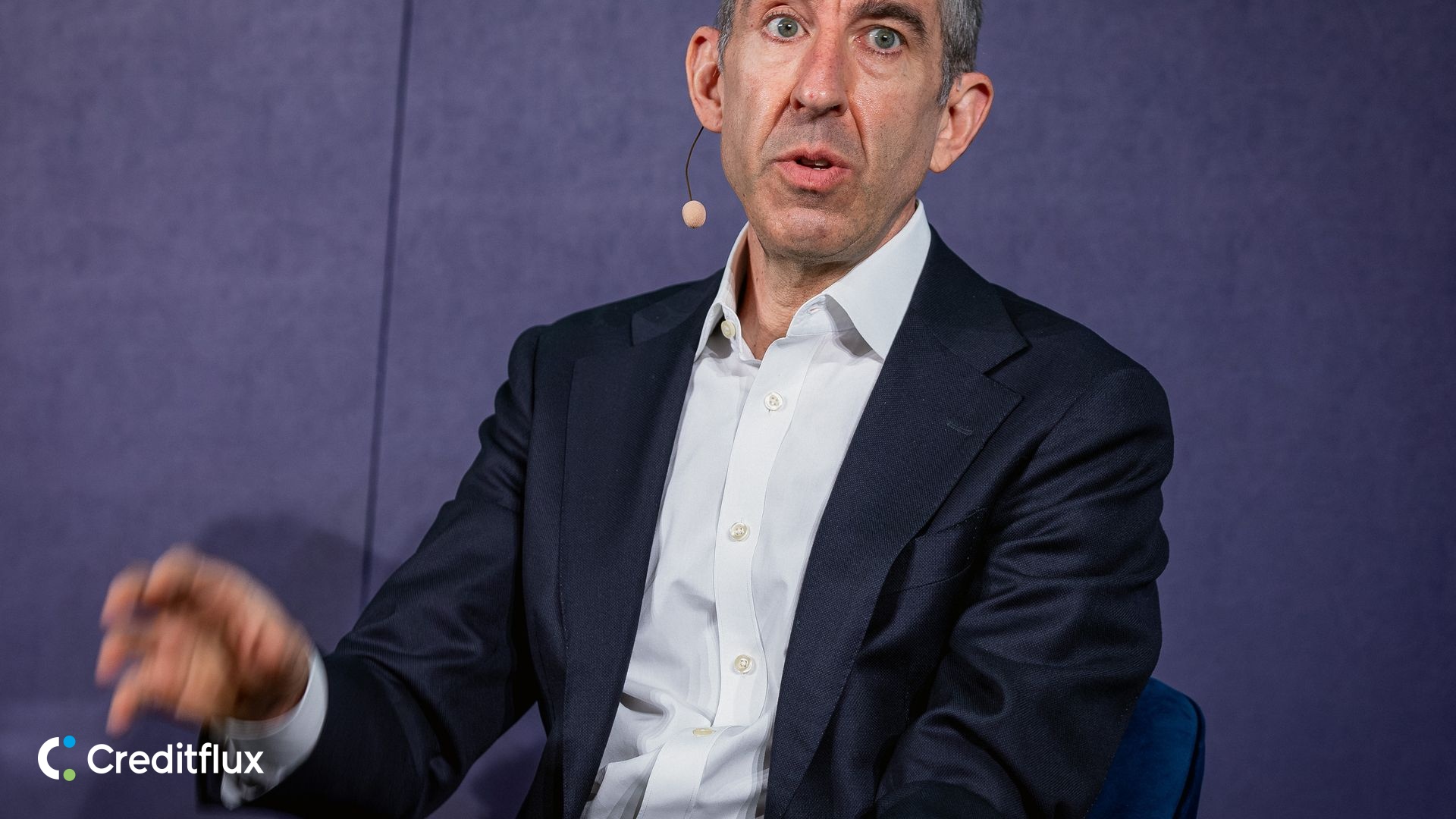
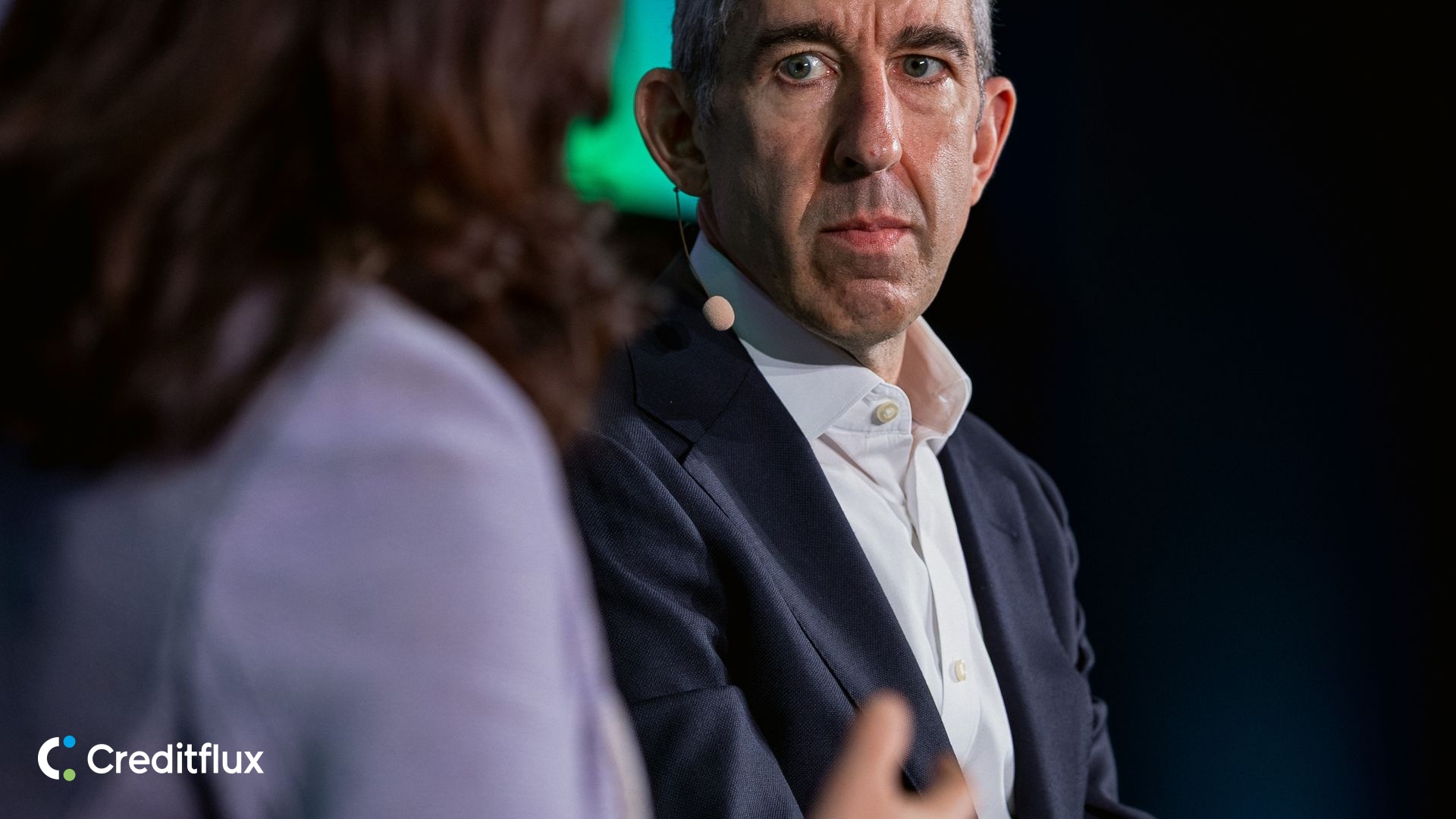
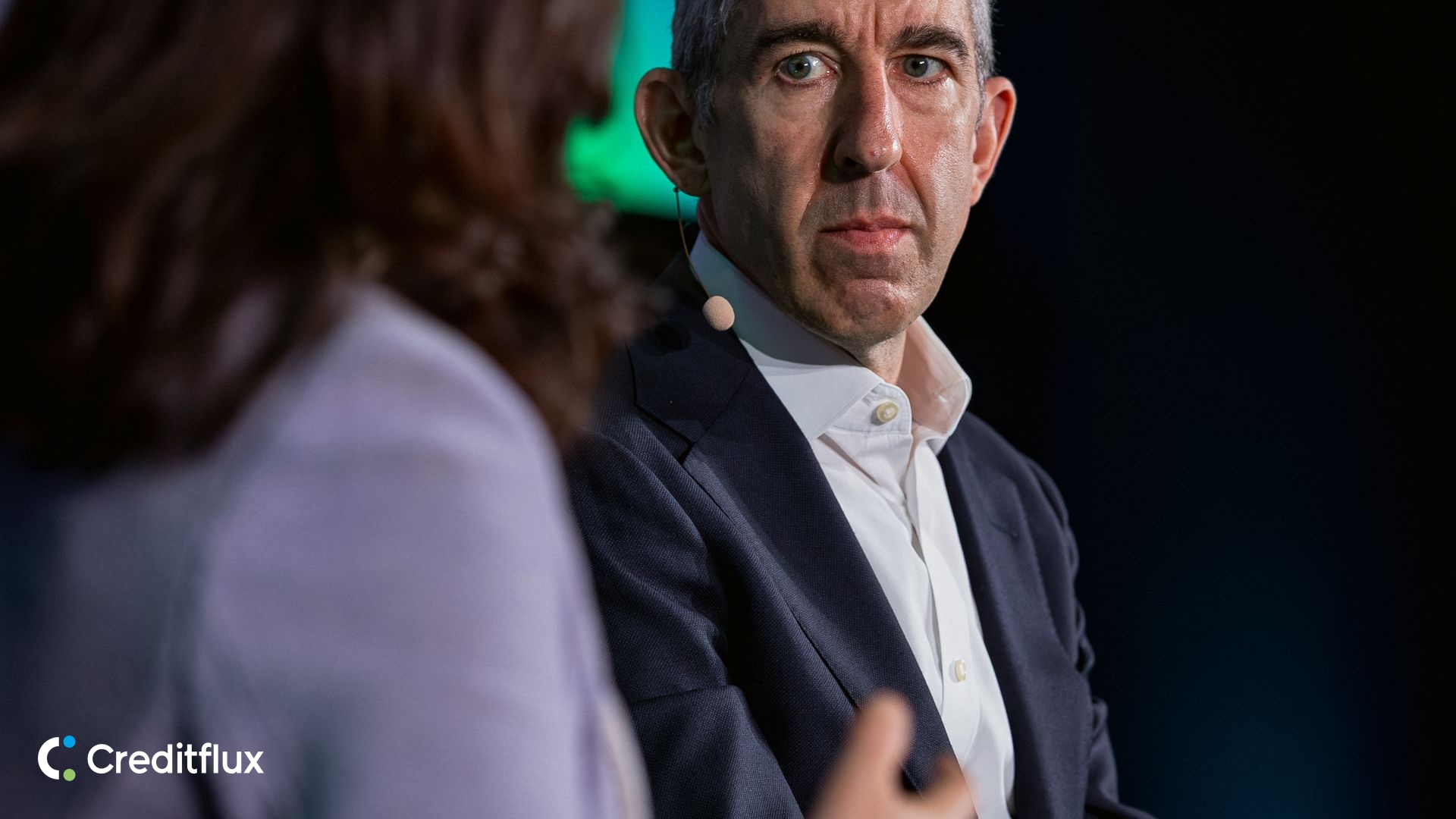
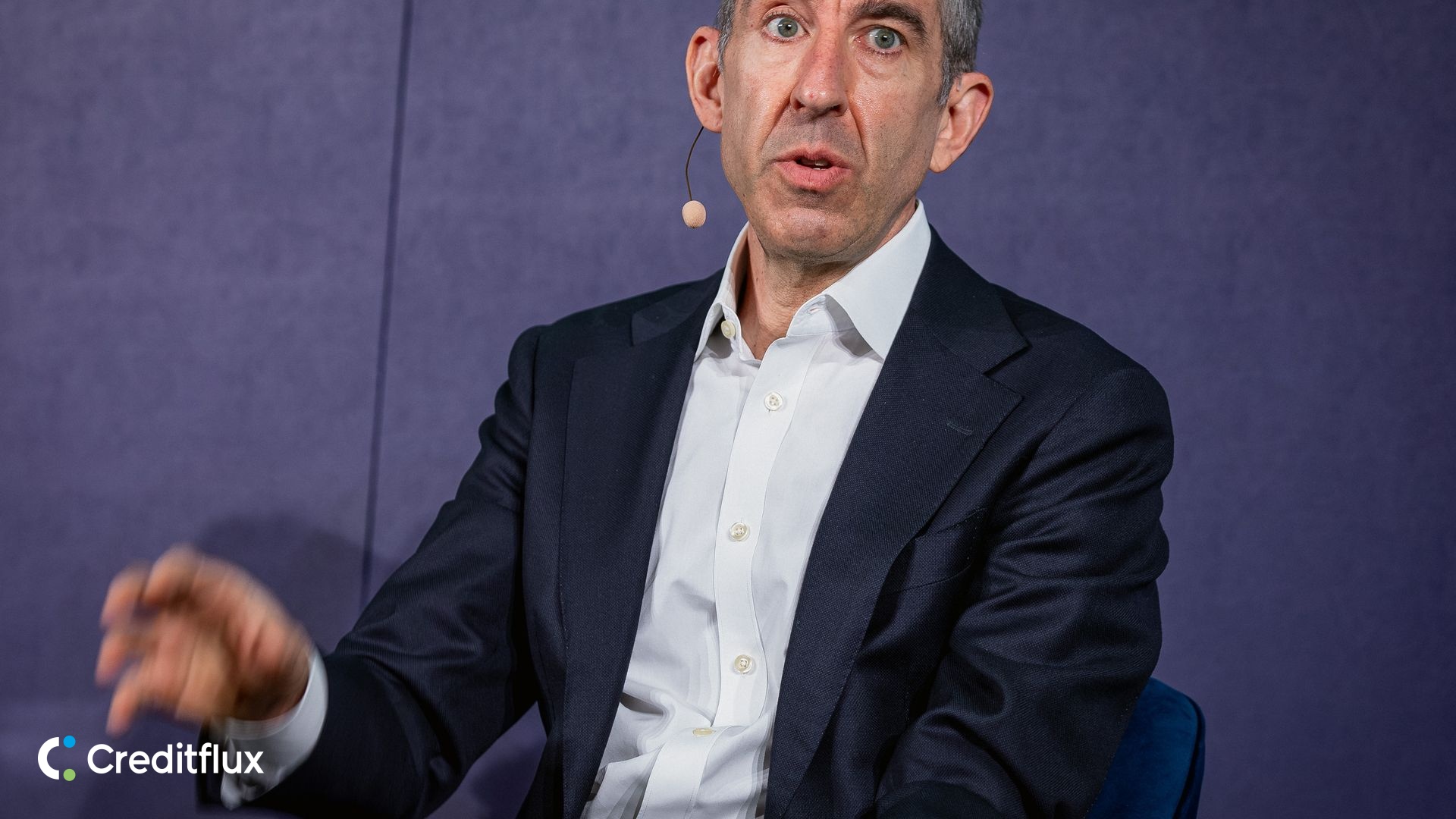
Lisa Lee welcomes Robert Zable to the fireside chat, touching on TWG's ownership of the Dodgers and Formula One before diving into Rob's move from a top-ranked CLO manager to Guggenheim. Rob clarifies his earlier stance that 'bigger is better' — arguing that team scale and infrastructure matter more than AUM alone.

Rebuilding Guggenheim's CLO Business with Palantir

Rob describes rebuilding Guggenheim's CLO platform and explains how TWG's joint venture with Palantir — visible on the Formula One car as 'TWG AI' — became a day-one priority. He outlines the goal of using Palantir not just for process automation but as an operating partner to understand complex market cross-currents.

Building an AI Vulnerability Tool for the Loan Market

Rob details the AI vulnerability tool being built with Palantir, which uses a large language model to score loan market assets on a green-to-red risk scale. He explains the two-part model — sourcing global information and applying it to a framework — and how bank-published AI-vulnerable name lists and loan prices are used to train and calibrate the model.

AI as a Risk Tool, Not a Credit Decision Maker

Rob distinguishes Guggenheim's use of AI from fully automated credit selection approaches, cautioning against using AI to replace analyst modelling or investment committee processes. He argues that AI is best deployed as a risk warning tool rather than a portfolio construction engine, and reflects on the limits of metric-driven loan selection.

What Working with Palantir Reveals About AI's Pace of Change

Rob shares how conversations with the Palantir team have made him increasingly concerned about the speed of AI-driven disruption in the loan market. He explains that moats once considered deep may erode faster than expected, and that the challenge for CLO managers is not waiting for defaults but recognising early signs of business erosion.

Winners, Losers, and the Credit Investor's Dilemma

Lisa and Rob explore how to identify winners and losers in an AI-disrupted landscape. Rob argues that for credit investors, the danger is not waiting for defaults but recognising early margin erosion that immediately undermines enterprise value, refinancing ability, and M&A optionality — drawing on the Yellow Pages as a cautionary example.

Sector Disruption and What CLO Managers Can Do

Lisa draws on her own experience pitching Yellow Pages as a safe credit to illustrate how sector-wide disruption renders traditional credit remedies ineffective. Rob responds by distinguishing defensible software assets from undifferentiated ones, and argues that for truly disrupted businesses, the only viable action for CLO managers is to trade out of positions.

Adoption Lag, Valuation Risk, and Portfolio Positioning

Lisa raises the point that corporate adoption of AI remains slow, with no major firm yet replacing core software with AI. Rob acknowledges the lag but warns that the mere existence of disruptive technology already affects exit multiples and buyer appetite. He then addresses how large CLO managers with legacy software exposure should approach repositioning, including the risk of herding into the same non-AI names.

Audience Q&A: Is Investment Management Itself AI-Proof?

An audience member asks whether investment management firms face the same AI disruption risk as their investee companies. Rob reflects on the moat around different types of managers, suggesting that undifferentiated large-cap equity strategies are more vulnerable, while niche CLO investing — with its rich data environment — is well-suited to using AI as a performance-enhancing tool rather than a replacement.

Closing Thoughts on AI, Credit, and Staying Vigilant

Rob closes with a balanced message: while he has been cautious throughout, he does not view AI disruption as blanket Armageddon for the loan market. His key advice for credit investors is to watch for small, early signs of business erosion — not just outright defaults — as the first signal to consider exiting a position in an environment where AI-driven change is only accelerating.