Creditflux CLO Symposium 2026

location_on The Chancery Rosewood, London Map
21 Apr

CLO investor roundtable – A selective ‘safe haven’?

Panel Introductions

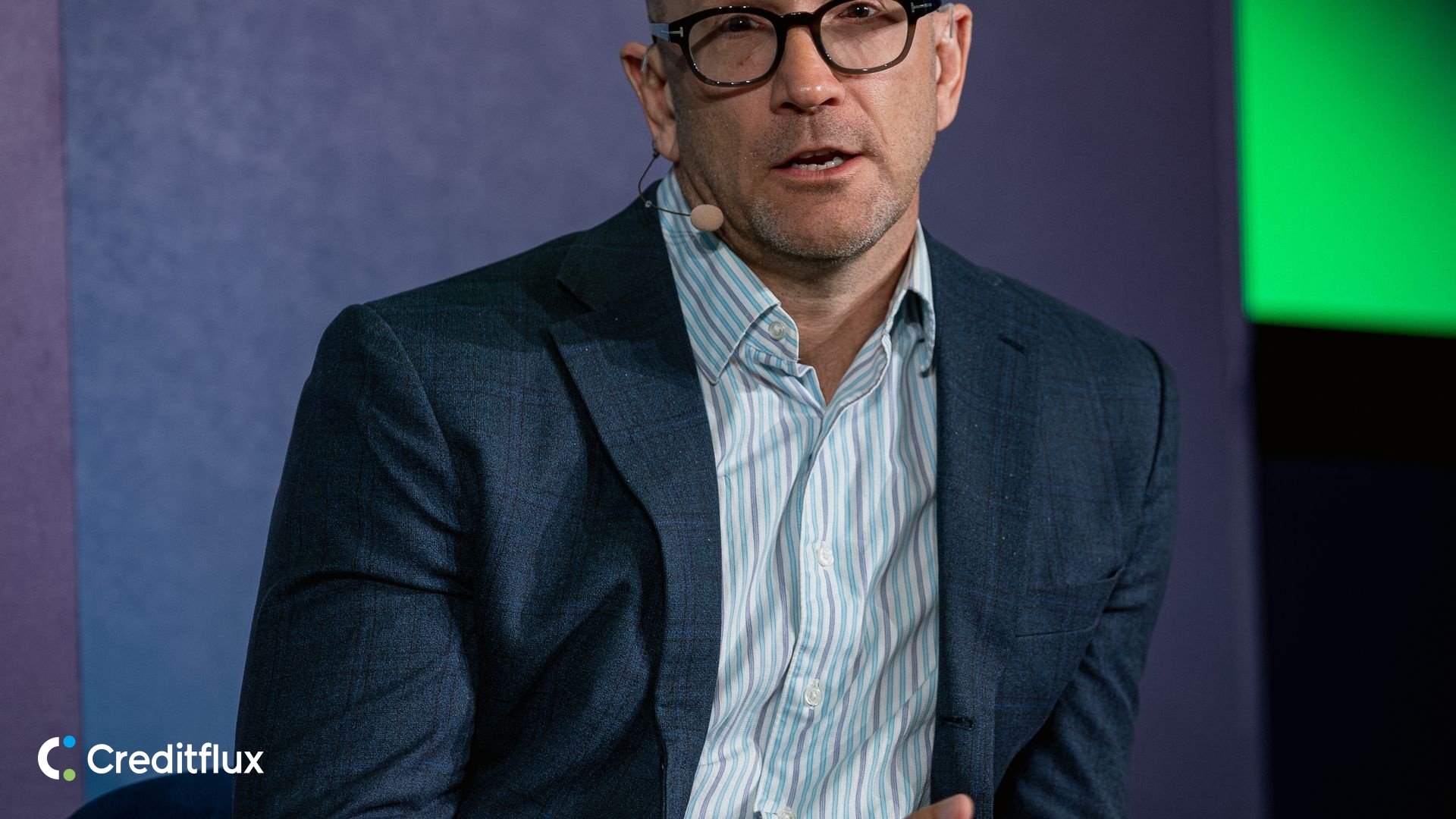
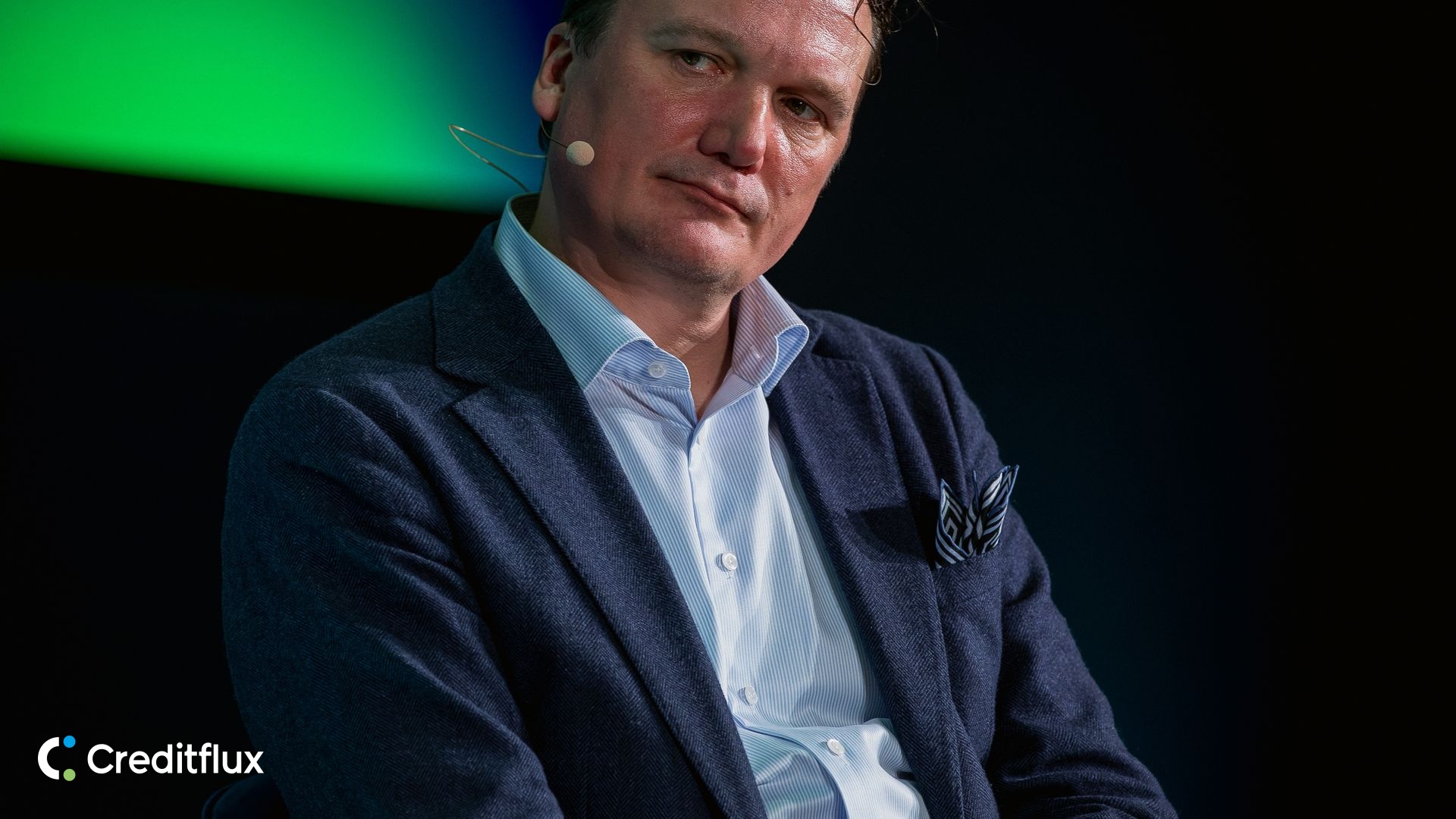
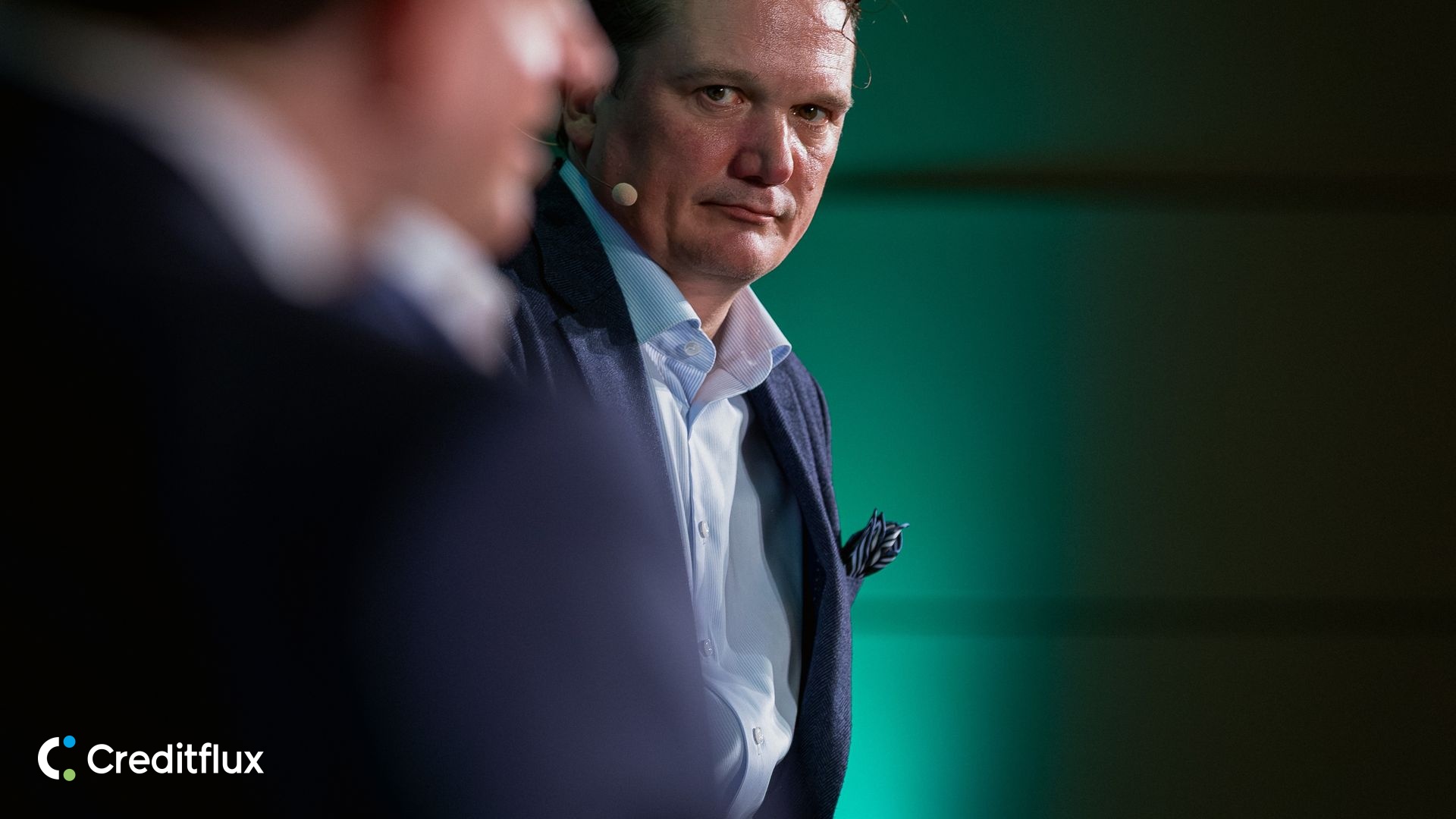
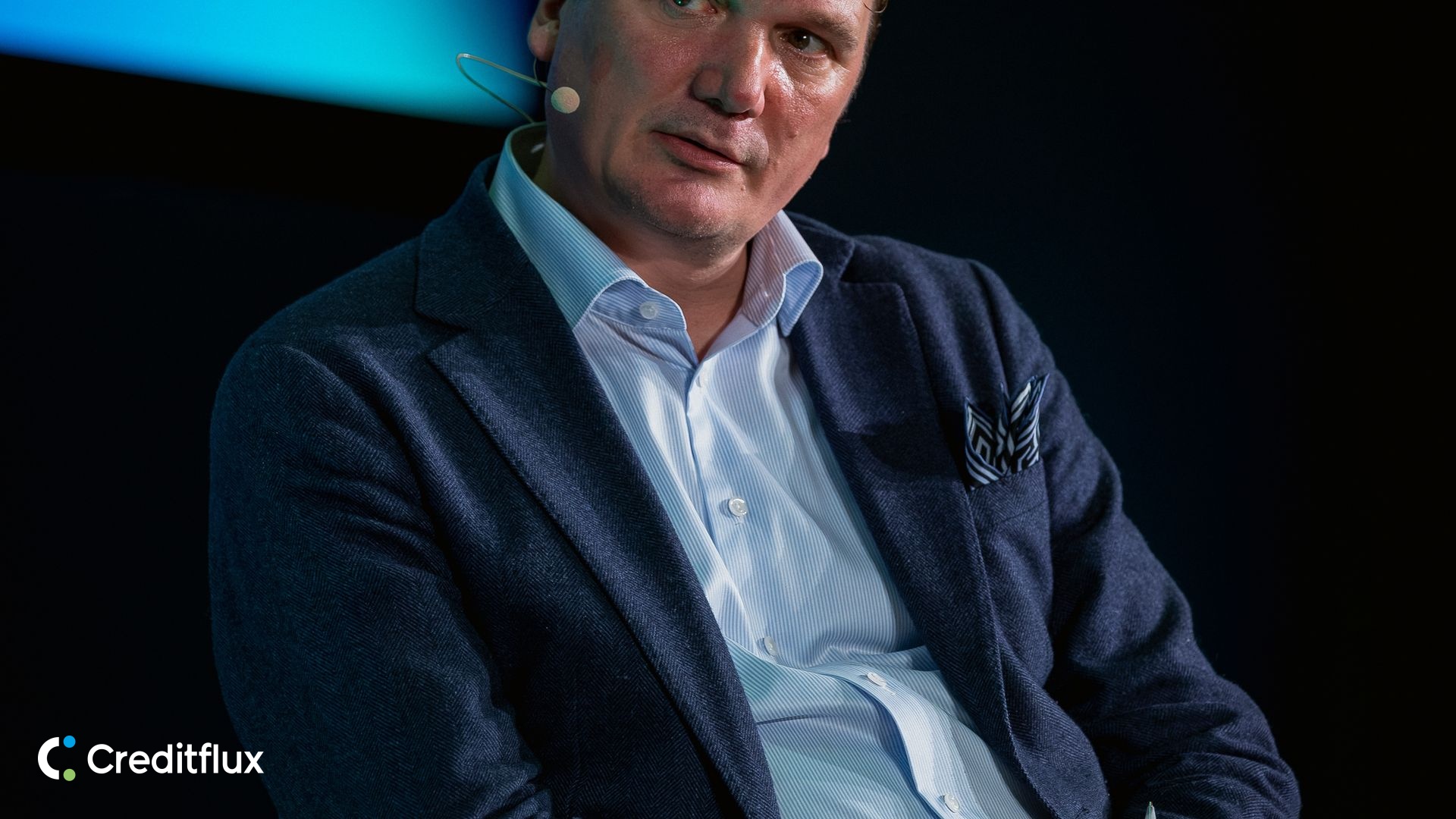
The moderator opens the final panel of the day and invites each panellist to introduce themselves. Peter Polanskyj of Obra Capital, Shiloh Bates of Flat Rock Global, and David Altenhofen of ACCUNIA each describe their firms and their roles in the CLO market, covering both US and European perspectives.

The CLO Equity Arbitrage Challenge

Shiloh Bates explains why the natural equity arbitrage in broadly syndicated CLOs has been poor for at least two years, focusing on how captive equity funds create misaligned incentives between CLO managers and investors. He argues that excessive CLO formation has compressed loan spreads and financing costs, reducing equity profitability, and that index data shows only high single-digit returns for CLO equity — insufficient for the risk taken.

Evaluating CLO Equity Returns in Context

Peter Polanskyj offers a three-part perspective on CLO equity arbitrage: the difficulty of predicting returns upfront, the continued existence of captive vehicles suggesting they deliver some value, and the historical outperformance of CLO equity versus other asset classes. He also discusses the importance of cash flow timing and credit curve shape when comparing equity to double B tranches. David Altenhofen adds that in Europe, equity must clear a meaningful premium above single B yields to be attractive, often requiring fee rebates or warehouse carry.

Underwriting Tail Risk in CLO Portfolios

The panel examines how to underwrite tail risk in CLO portfolios, particularly from AI disruption of software companies. Peter Polanskyj draws parallels to the oil and gas sector shock a decade ago, arguing that today's challenge is harder because the facts on the ground are still evolving. He emphasises detailed, company-level credit work focused on business model embeddedness, customer dependency, and data proprietary nature as the only reliable approach, noting his firm runs below-average software exposure.

Manager Tiering and Sector Concentration Risk

David Altenhofen discusses how monthly manager rankings inform investment decisions and how the traditional view of conservative managers — typically overweight software and healthcare — has been challenged. Both sectors have faced significant headwinds, causing some previously tier-one managers to lose that status. The conversation extends to the chemical sector, where European chemicals may be relatively better positioned than Chinese peers due to differing energy dependencies, though significant uncertainty remains.

Evaluating Tail Risk Across BSL and Private Credit CLOs

Shiloh Bates provides his perspective on assessing tail risk, explaining that secondary CLO buyers primarily rely on loan market pricing to adjust for risk in distressed positions. He contrasts broadly syndicated and private credit CLOs, highlighting that private credit avoids lender-on-lender violence and liability management exercises, offering cleaner restructuring dynamics. While it may be too early to draw firm conclusions, he notes that over the past five years private credit has outperformed BSL on a credit loss basis.

Relative Value Across the CLO Capital Structure

The panel debates where relative value sits across the CLO capital structure. David Altenhofen favours triple B and double B tranches in Europe but notes primary markets are sluggish and secondary single Bs are unattractive. Peter Polanskyj argues for an up-in-quality bias toward IG tranches, citing unpriced fundamental risks at the bottom of the stack and compressed spreads between private credit and BSL AAAs. Shiloh Bates highlights private credit CLO double Bs as his top pick, offering around 12% yield with strong historical default protection.

AAA Spreads and the Drivers of CLO Liability Pricing

The discussion turns to why CLO AAA spreads have not tightened as much as other parts of the capital structure. Peter Polanskyj argues that non-standardised documentation creates a structural floor on AAA yields relative to more commoditised ABS products. David Altenhofen adds that rising interest rates have reduced the relative attractiveness of CLO AAAs for European pension funds compared to domestic alternatives like Danish mortgage bonds, dampening demand at the top of the stack.

Loan Market Dynamics and Asset Spread Outlook

The panel analyses what could cause leveraged loan spreads to reprice. Peter Polanskyj observes a bifurcated market where fundamentally challenged loans are repricing while the broader market remains tight, driven by persistent yield demand. Shiloh Bates notes that redemption pressure in private credit BDCs and interval funds may slow loan demand growth and potentially widen spreads, while reduced LBO activity from software sector concerns could constrain new loan supply, creating a structural mismatch.

Why the CLO Market Has Remained So Resilient

The panel reflects on the remarkable resilience of CLO issuance through COVID, inflation, and geopolitical shocks. David Altenhofen credits strong underlying collateral performance, the locked-in funding structure of CLO technology, and increasing manager dispersion. Shiloh Bates highlights how natural buyers emerge when loans trade at discounts and how post-COVID pull-to-par dynamics generated strong equity returns. Peter Polanskyj adds that the absence of a true fundamental credit crisis, combined with persistent demand for spread, has underpinned continued issuance. The session closes with thanks to the audience.