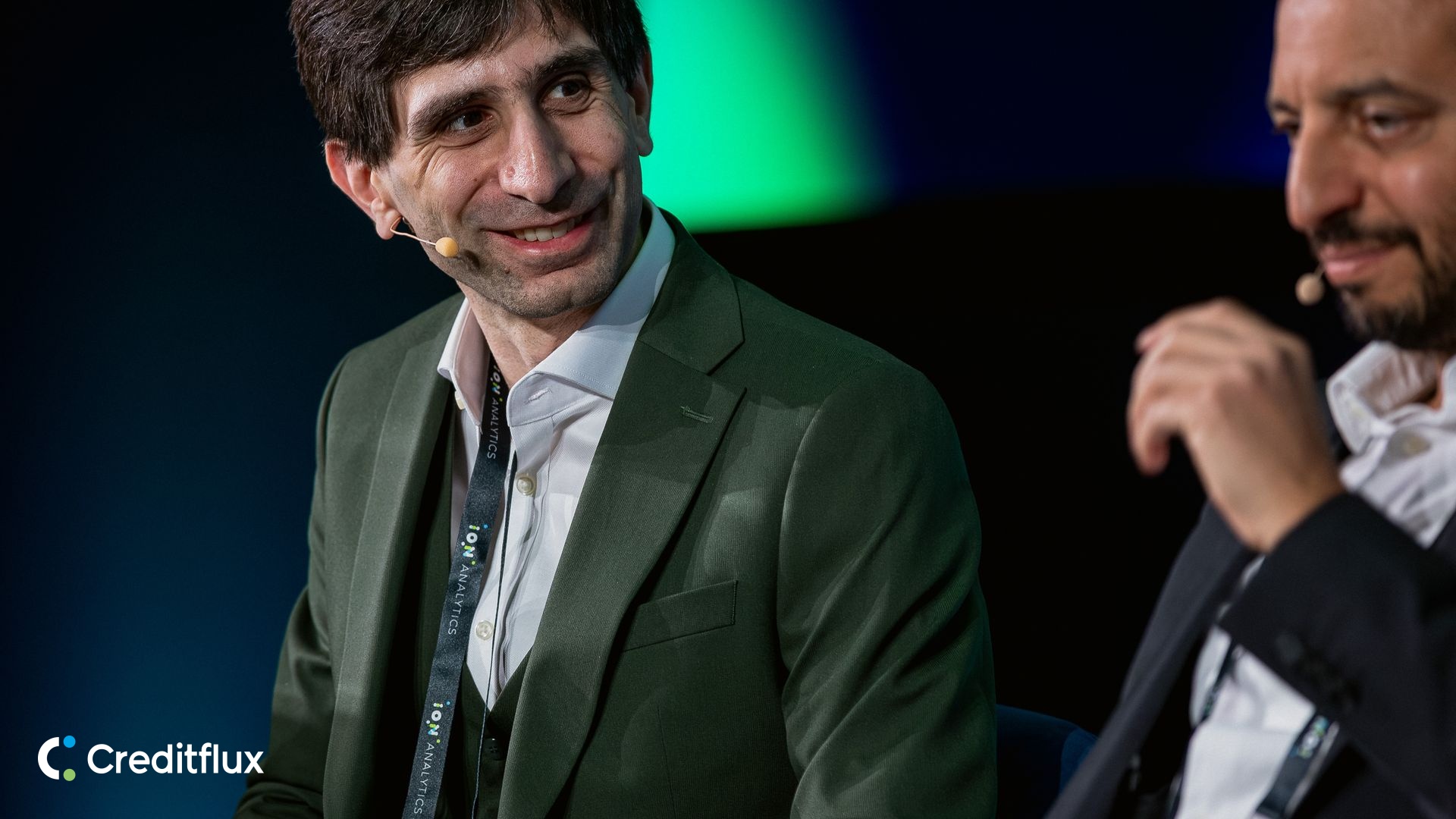
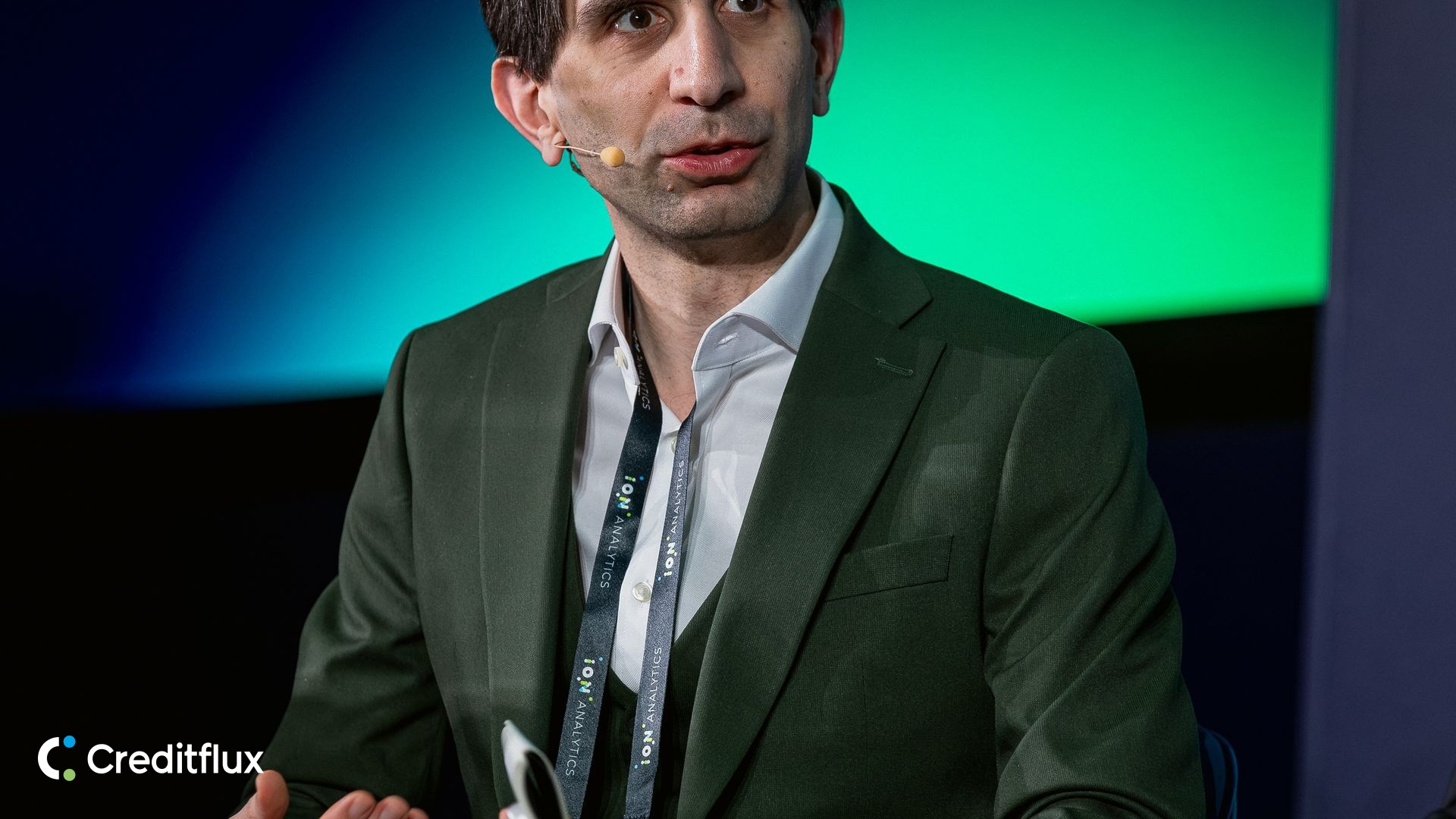
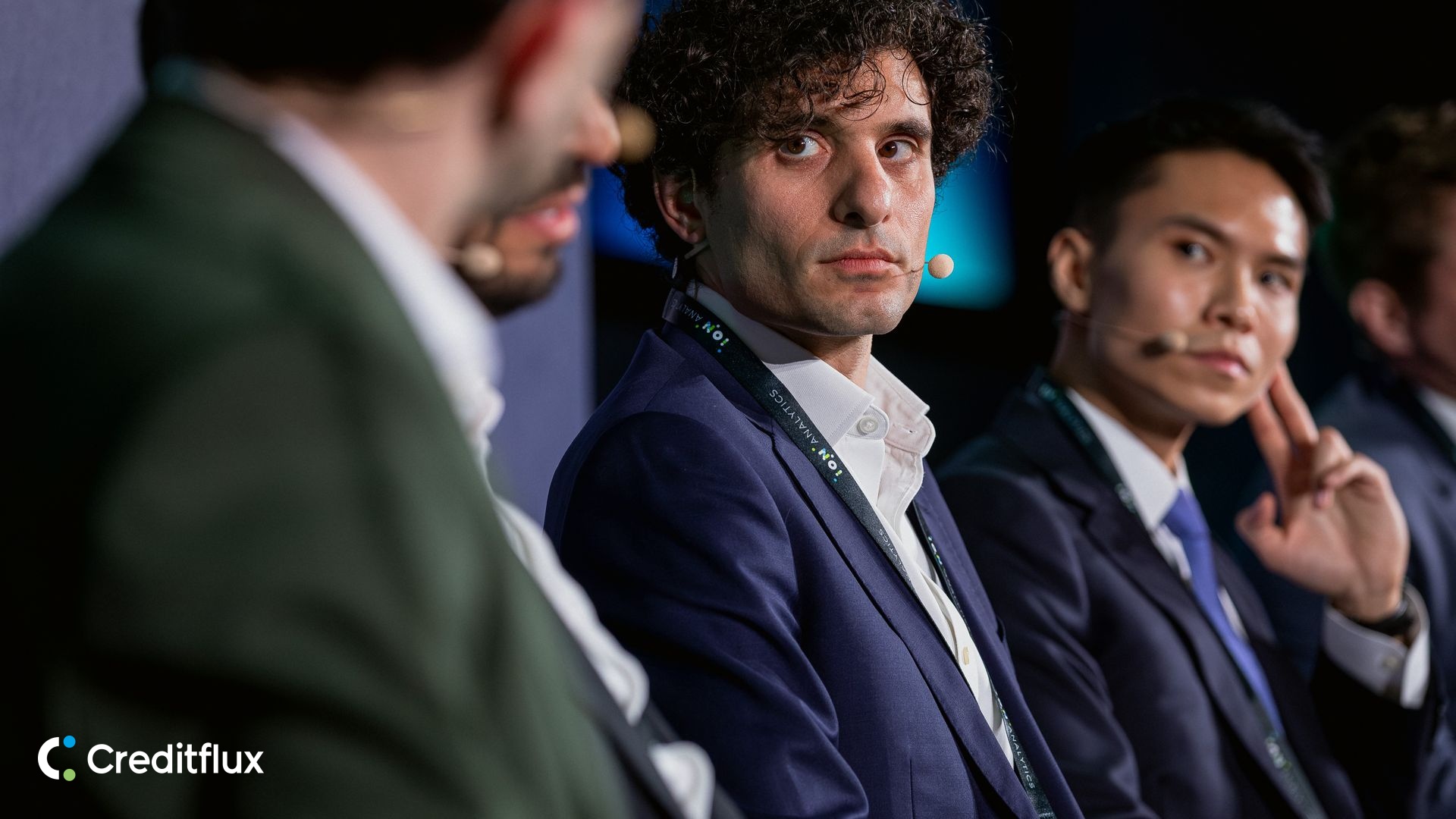
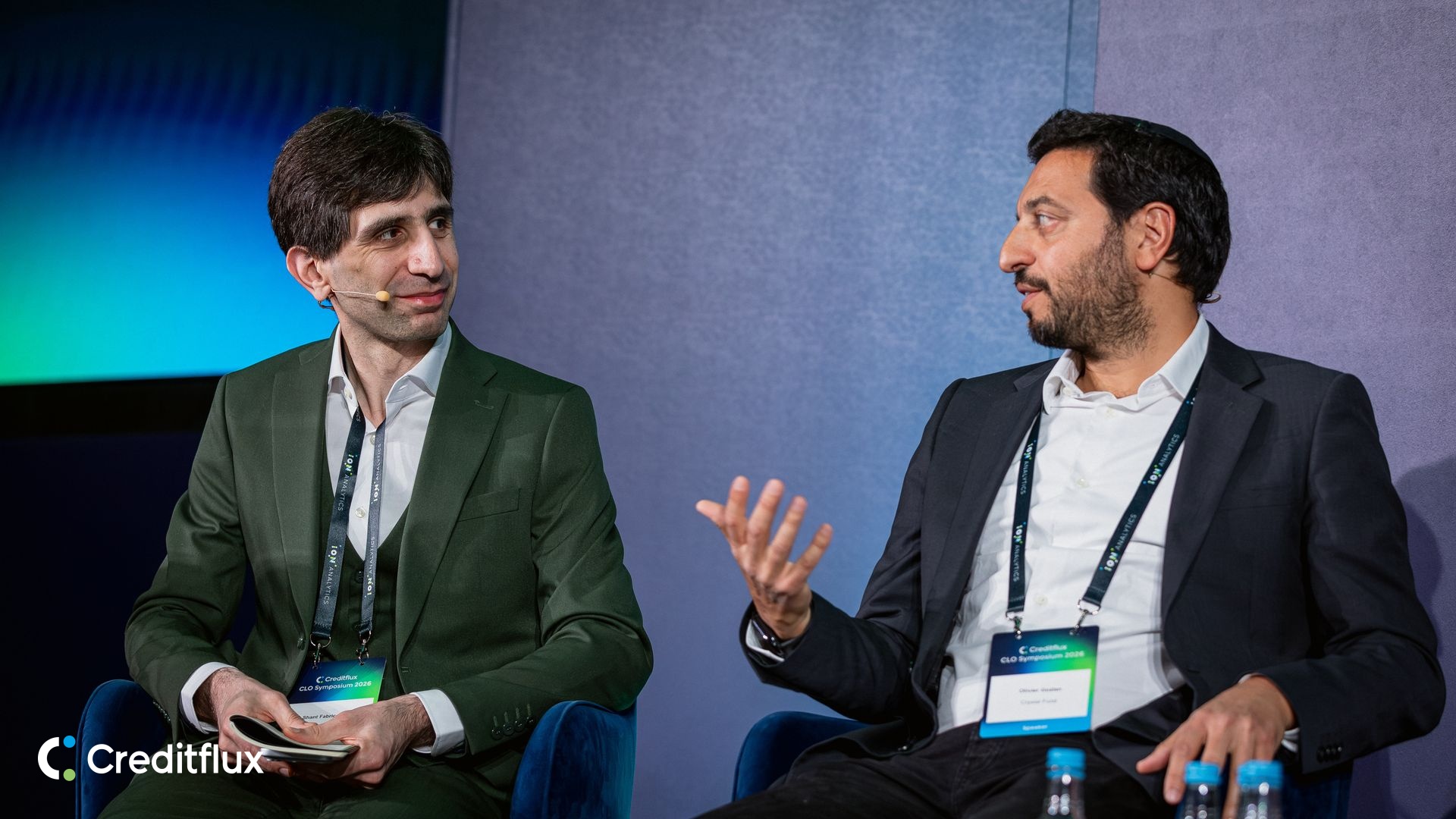
Creditflux CLO Symposium 2026

location_on The Chancery Rosewood, London Map
21 Apr

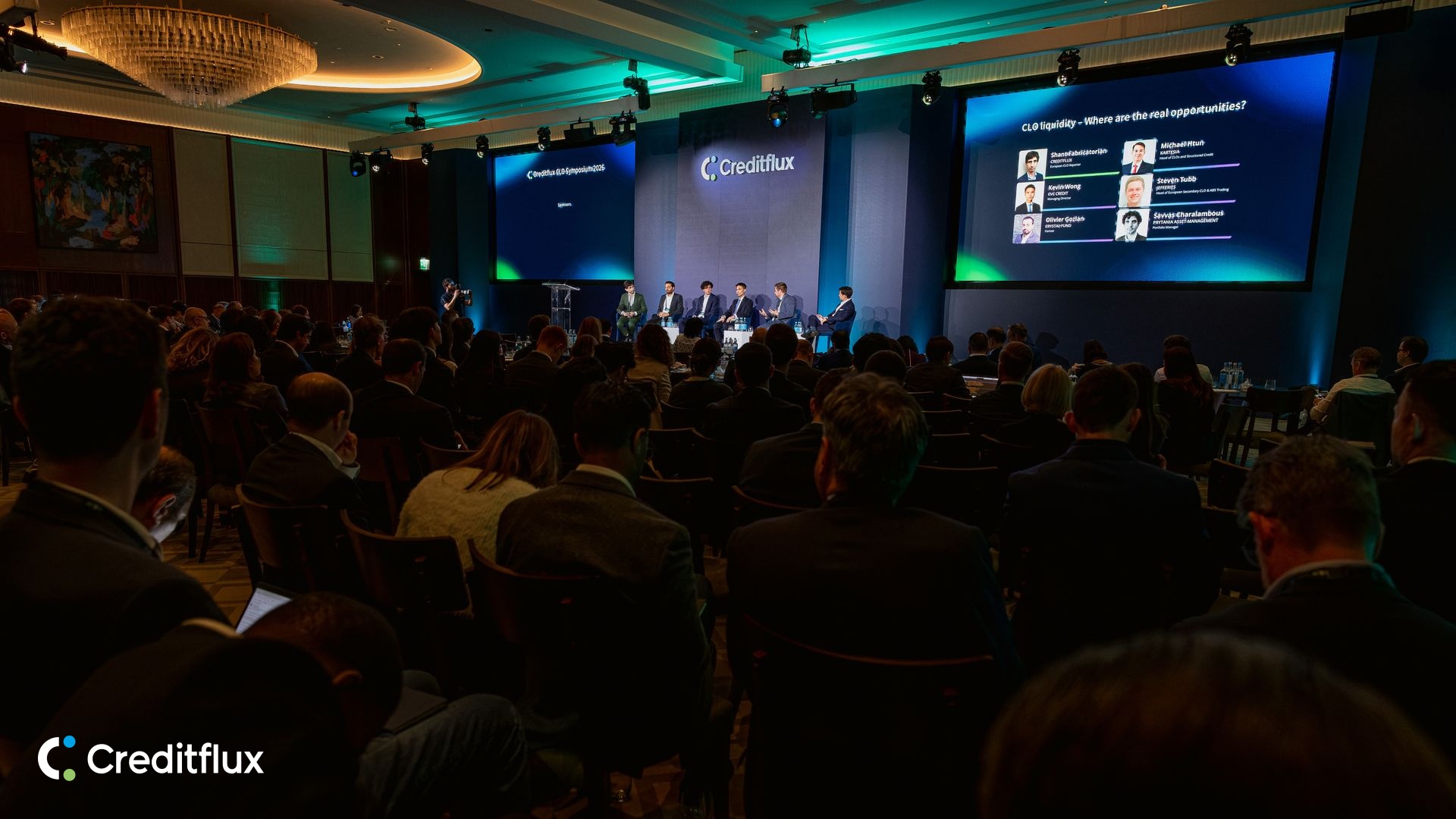
CLO liquidity – Where are the real opportunities?

Panel Introductions and CLO Market Overview

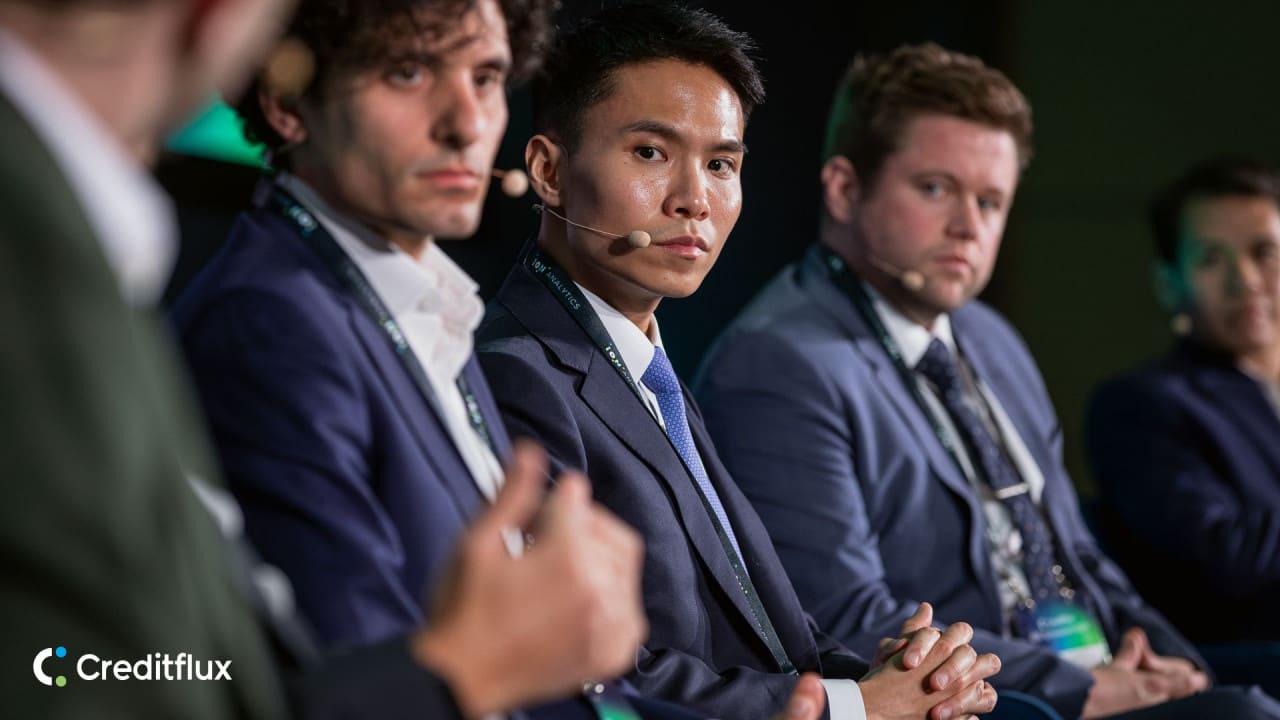
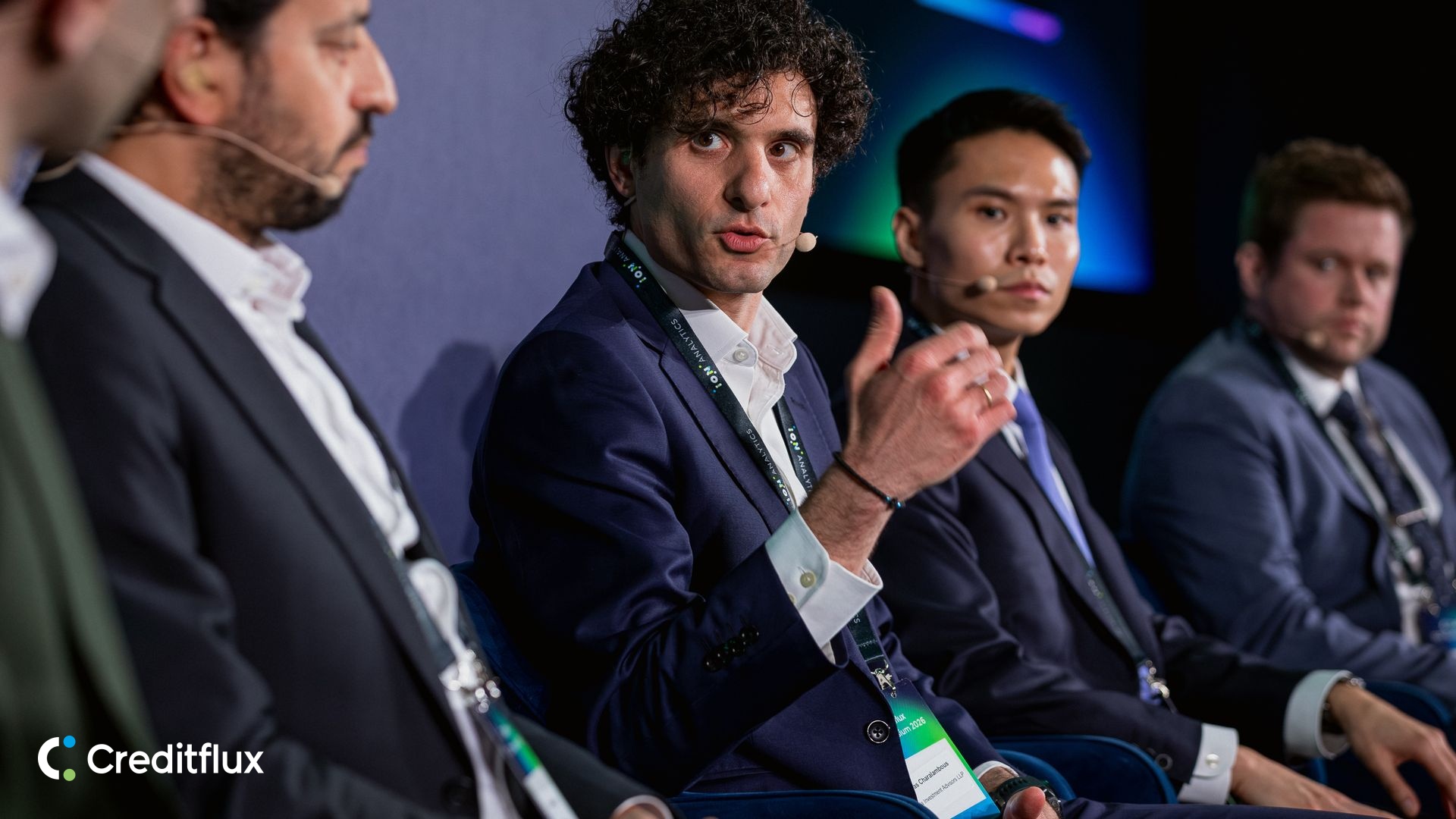
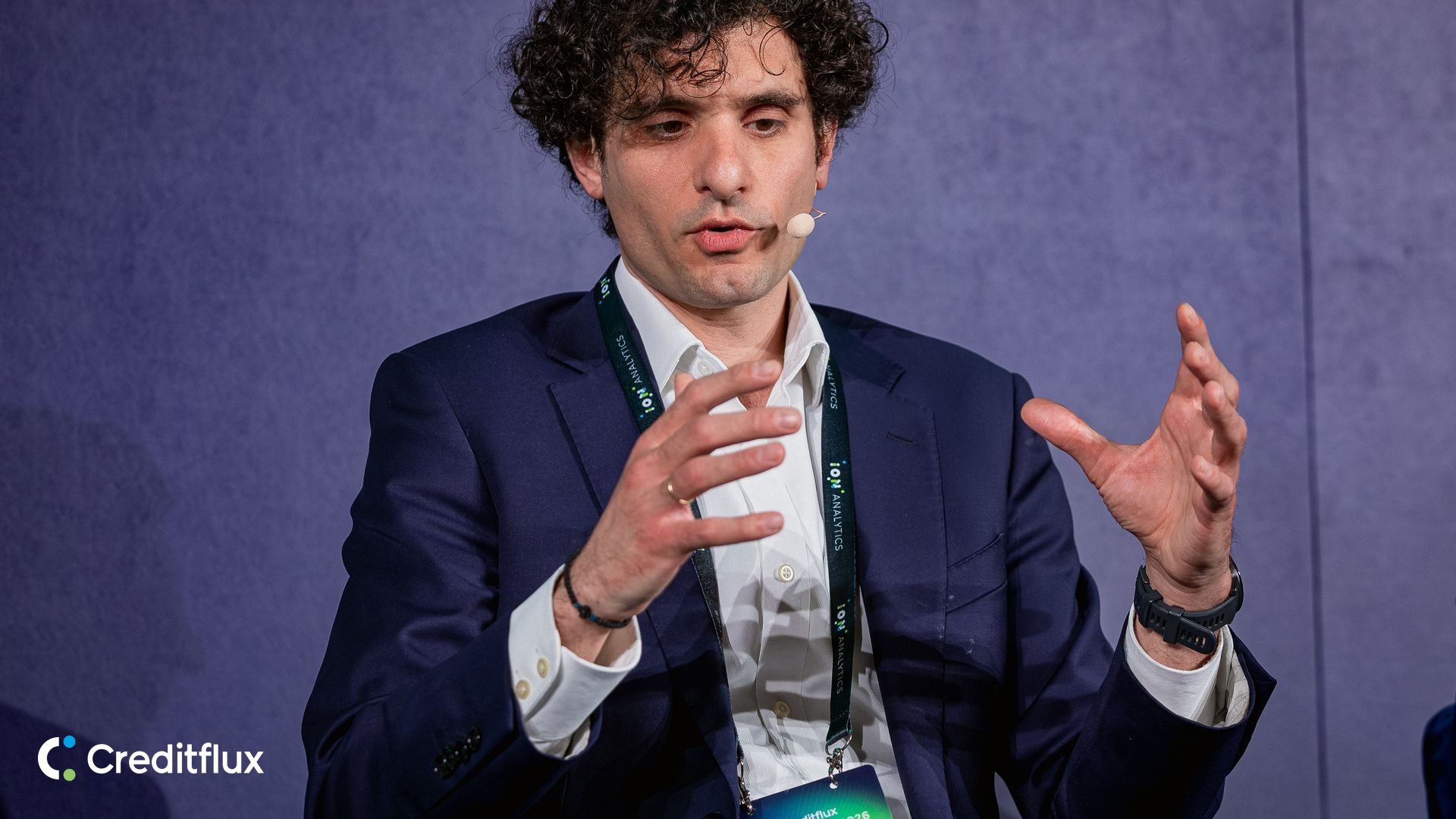
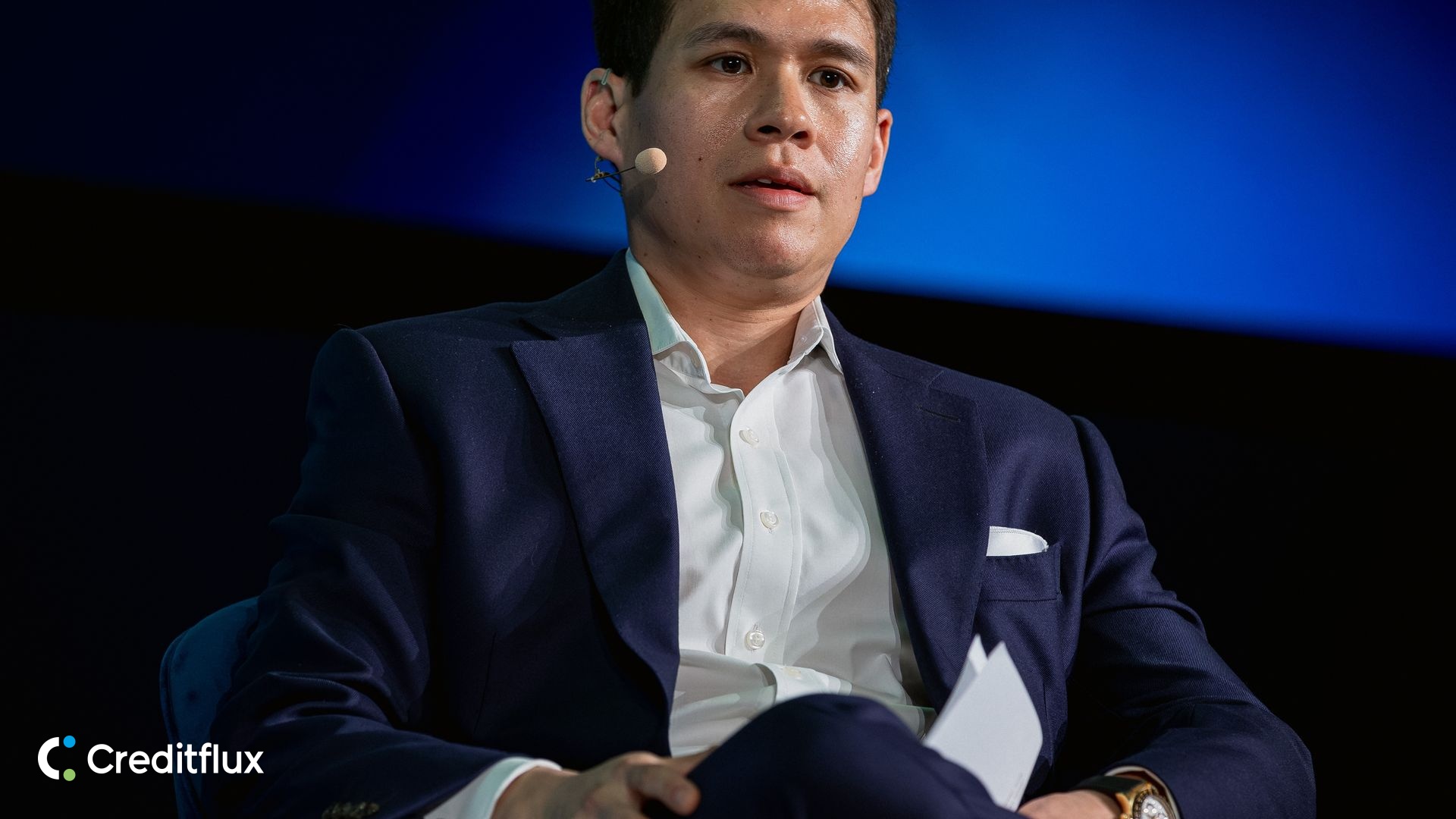
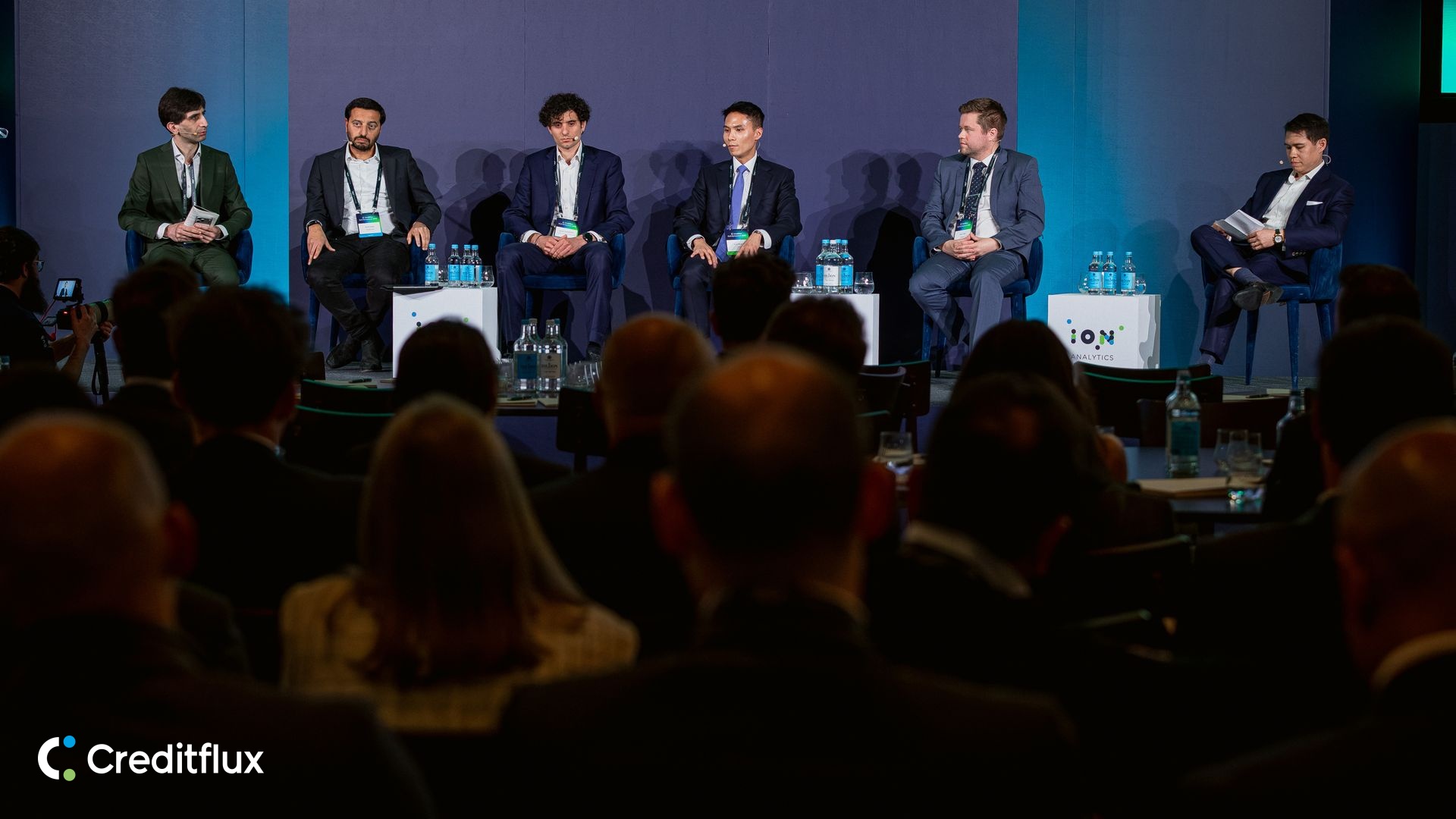
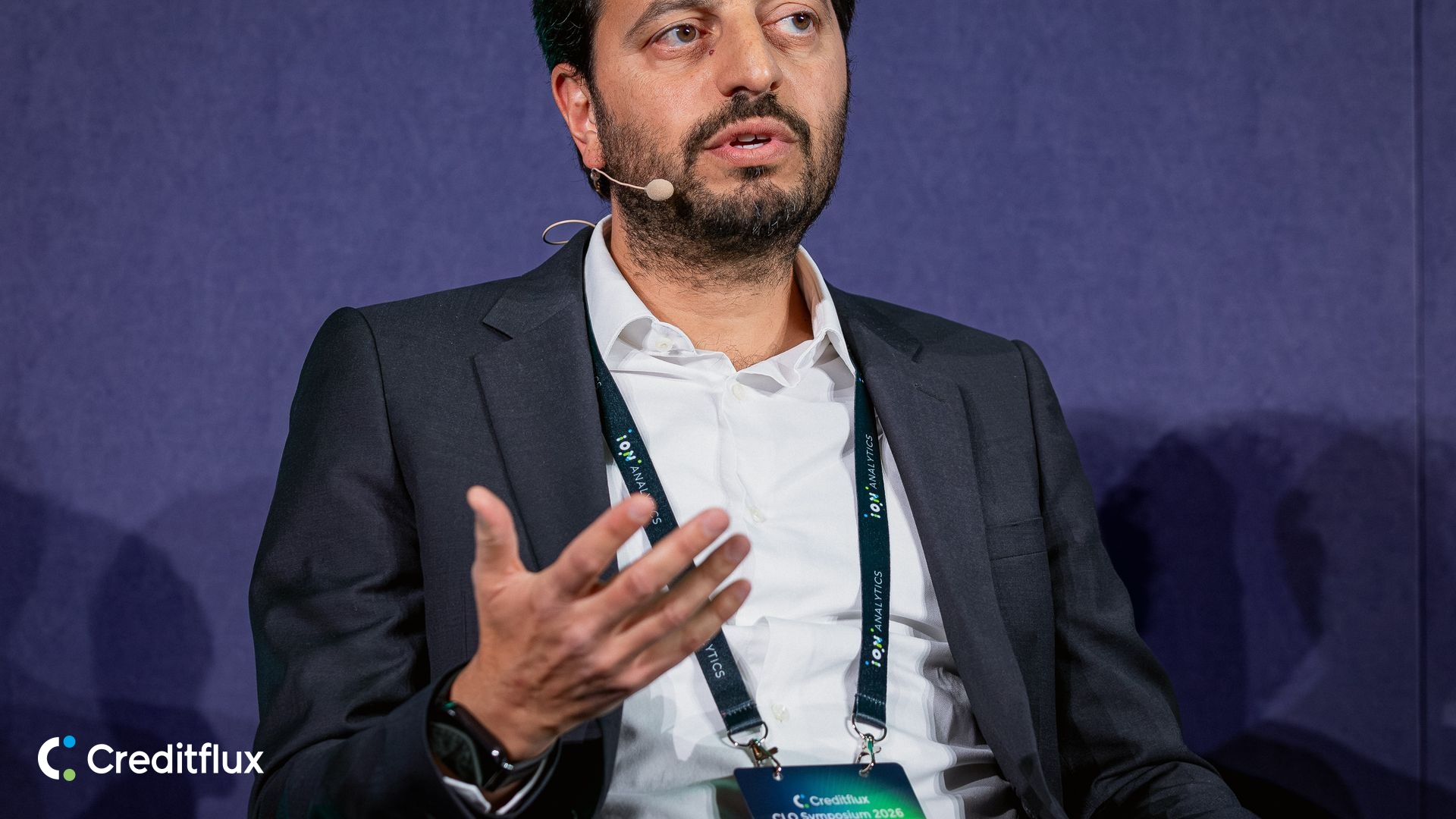
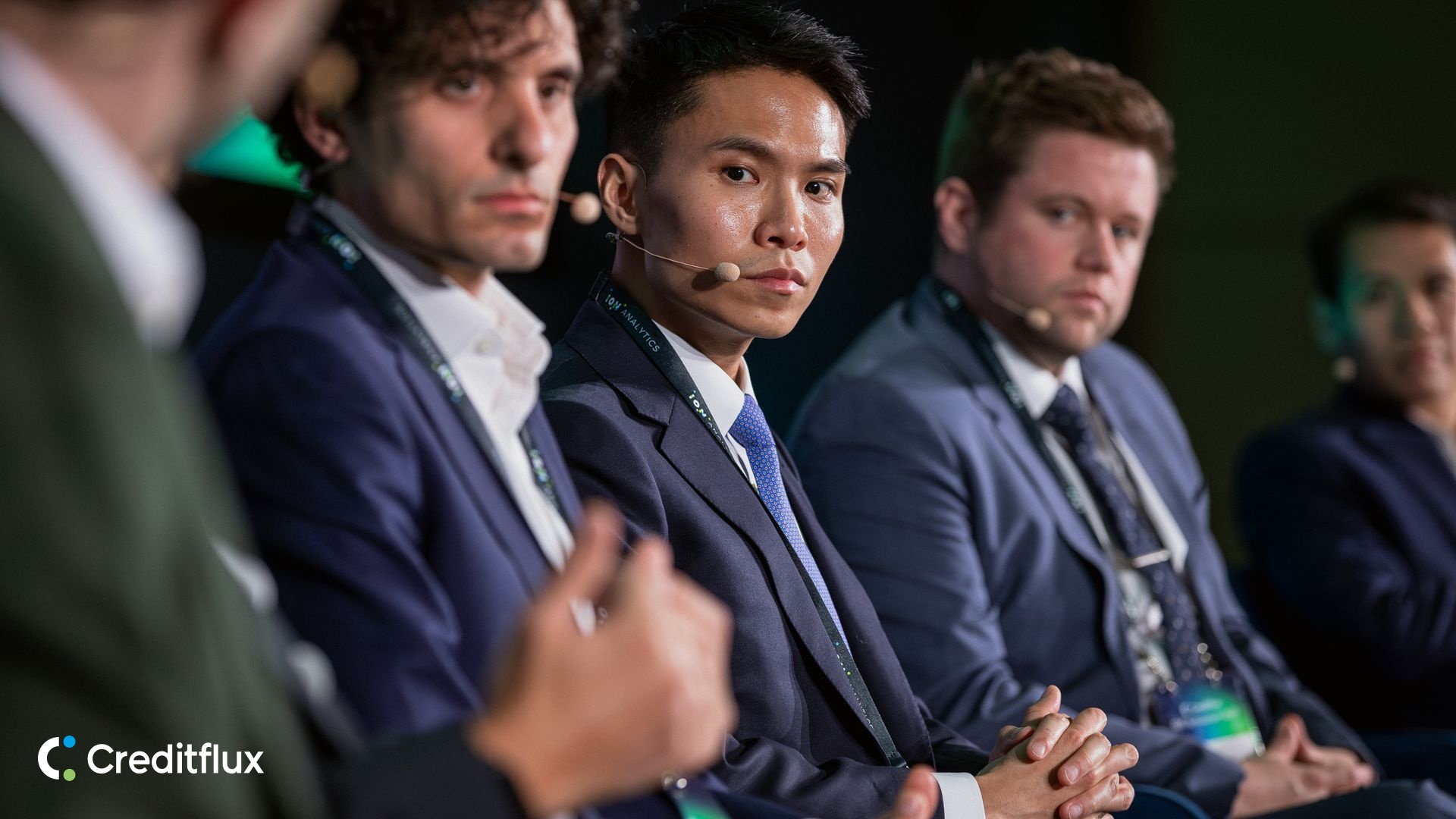
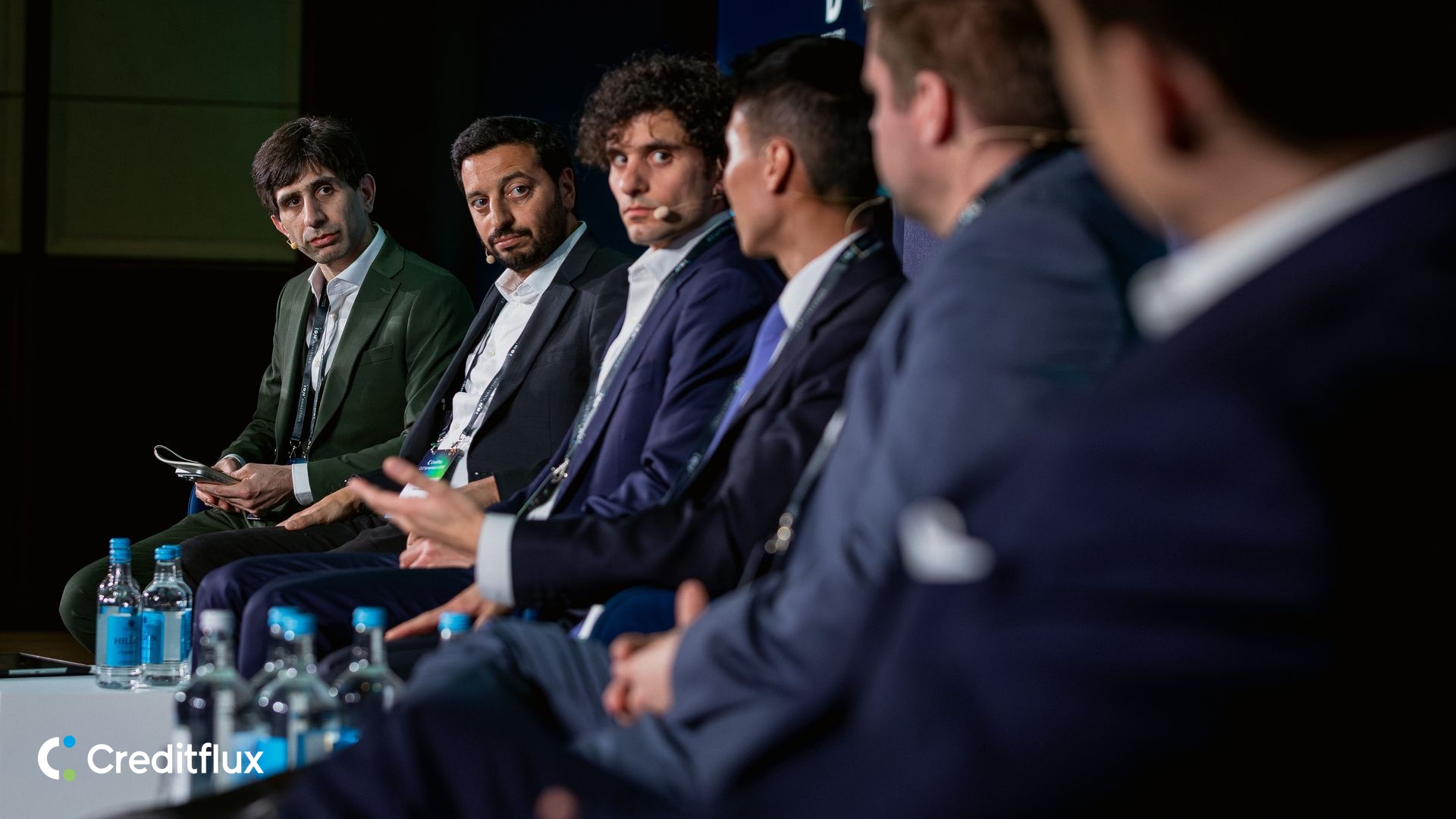
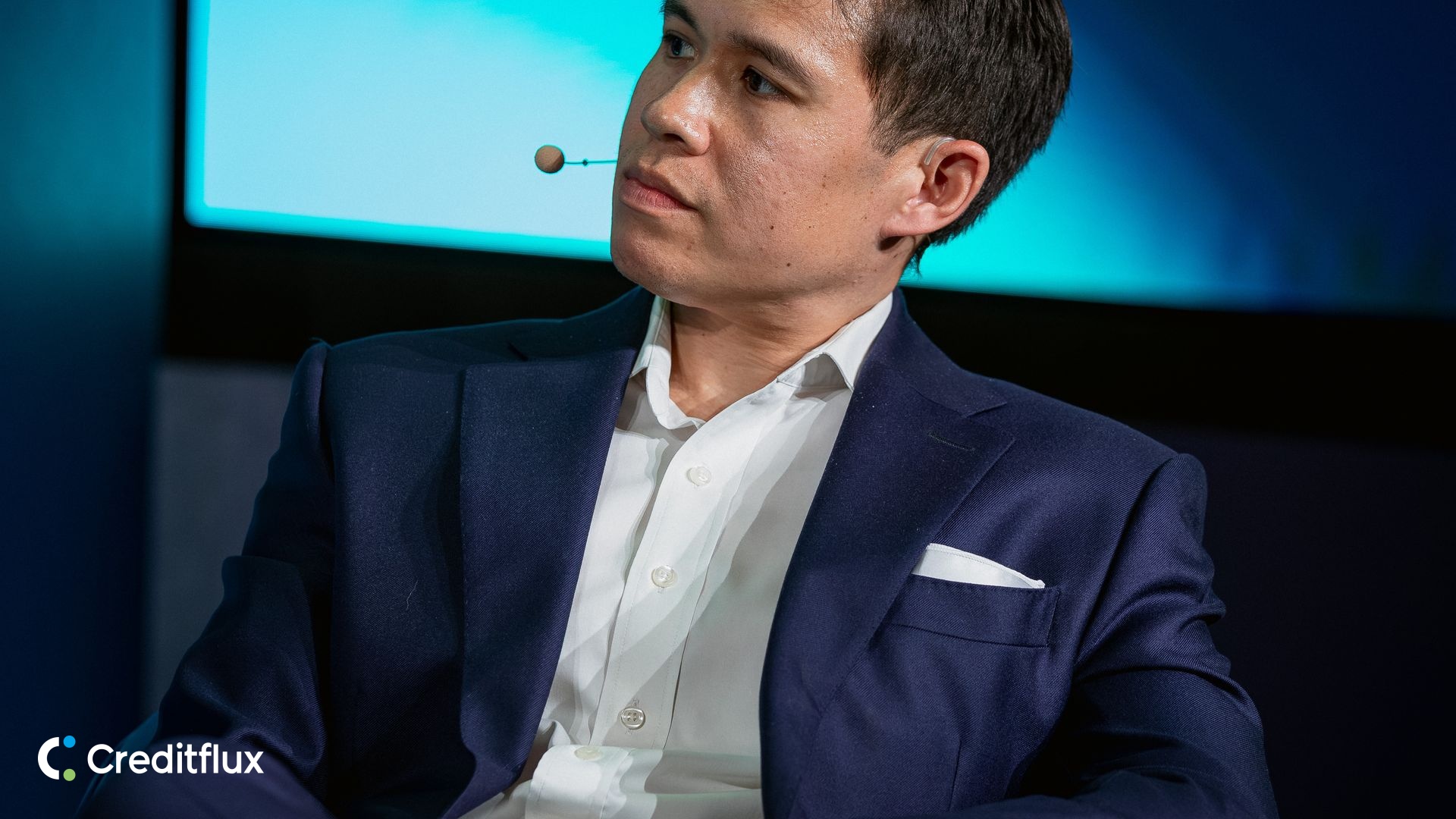
The moderator welcomes the audience and invites each panellist to introduce themselves. Participants include Olivier Gozlan (Crystal Fund, 20+ years), Savvas Charalambous (Prytania Asset Management, 10 years), Kevin Wong (CVC Credit, 8 years), Steven Tubb (Jefferies, 13 years), and Michael Htun (Kartesia/New York Life Group). The moderator then opens the discussion by asking Olivier to reflect on the key developments in the CLO secondary market over the past two years, including spread tightening and the emergence of greater differentiation between deals.

Tiering, Dispersion and the Case for Secondary Over Primary

Michael Htun and other panellists discuss how the performing part of the loan market remains resilient due to strong CLO formation technicals, while a growing tail of problem credits in sectors like software, chemicals and consumer is driving spread decompression and tiering. The panel explores why secondary CLO investing is increasingly attractive relative to primary, highlighting the ability to analyse fully constructed portfolios, capture convexity, and manage duration — particularly in volatile conditions.

Finding Value Across the CLO Capital Stack

The panel examines where value can be found across the CLO capital stack in the current environment. Olivier Gozlan highlights the role of lower mezzanine tranches in providing resilience even under severe default scenarios. Kevin Wong discusses the volatility in single-B tranches, noting that supply dynamics drove spreads wide before partially recovering. The discussion covers how Europe is navigating credit cycles it has not experienced before, and why investment-grade tranches are outperforming sub-investment grade in the current risk-off environment.

Credit Deterioration and Risk Management Approaches

The panel addresses how credit deterioration is reshaping risk management practices for CLO managers and investors. Kevin Wong highlights the scarcity of public swap opportunities and the importance of individual credit selection. Savvas Charalambous describes stochastic modelling approaches to assess correlated default scenarios. Michael Htun stresses the importance of managers having robust monitoring processes and selling early to manage tail risk. Olivier Gozlan adds that distinguishing between general spread widening and specific credit deterioration within a portfolio is critical for accurate risk assessment.

Market Outlook: Spreads, Technicals and the Road Ahead

Each panellist offers their outlook for CLO spreads and market conditions over the next three to six months. Olivier Gozlan advocates playing duration as a risk management tool rather than relying solely on spread and price signals. Savvas Charalambous sees the market as technically driven, with dispersion continuing. Kevin Wong notes the market has been resilient through recent shocks and expects investors to favour cleaner IG and double-B profiles. Michael Htun warns that idiosyncratic risks are increasing across chemicals, software, consumer discretionary and the 2028 maturity wall, and that investors will need to work harder to find returns.

CLO ETFs: Growth, Liquidity and Market Impact

The panel explores the rapid growth of CLO ETFs, particularly AAA-rated products in the US, which have reached approximately $42 billion. Kevin Wong notes European AAA ETFs are growing but still small at around $1.5 billion. Olivier Gozlan raises concerns about lower-rated ETF products potentially amplifying volatility due to forced deployment and redemption dynamics. Michael Htun argues that AAA CLOs are fundamentally undervalued relative to their risk-reward profile and that retail participation could deepen the market, but that education remains a key challenge. The panel also reflects on how the market has quickly found clearing levels during recent volatility events.

Opportunities in CLOs for the Rest of 2026

The panel identifies key opportunities for the remainder of 2026. Kevin Wong highlights the importance of patience and portfolio cleanliness, noting that dislocations like 2022 rewarded disciplined managers. Kevin also points to discounted junior mezzanine paper as a potential opportunity for investors willing to take on credit risk. The moderator opens the floor to audience questions, with one attendee asking Michael Htun why CLO triple-A tranches do not trade tighter despite their strong risk-reward profile. Michael explains that the buyer base composition — particularly bank treasury return-on-capital constraints and insurance risk weights — is the primary limiting factor.