









Creditflux CLO Symposium 2026

location_on The Chancery Rosewood, London Map
21 Apr

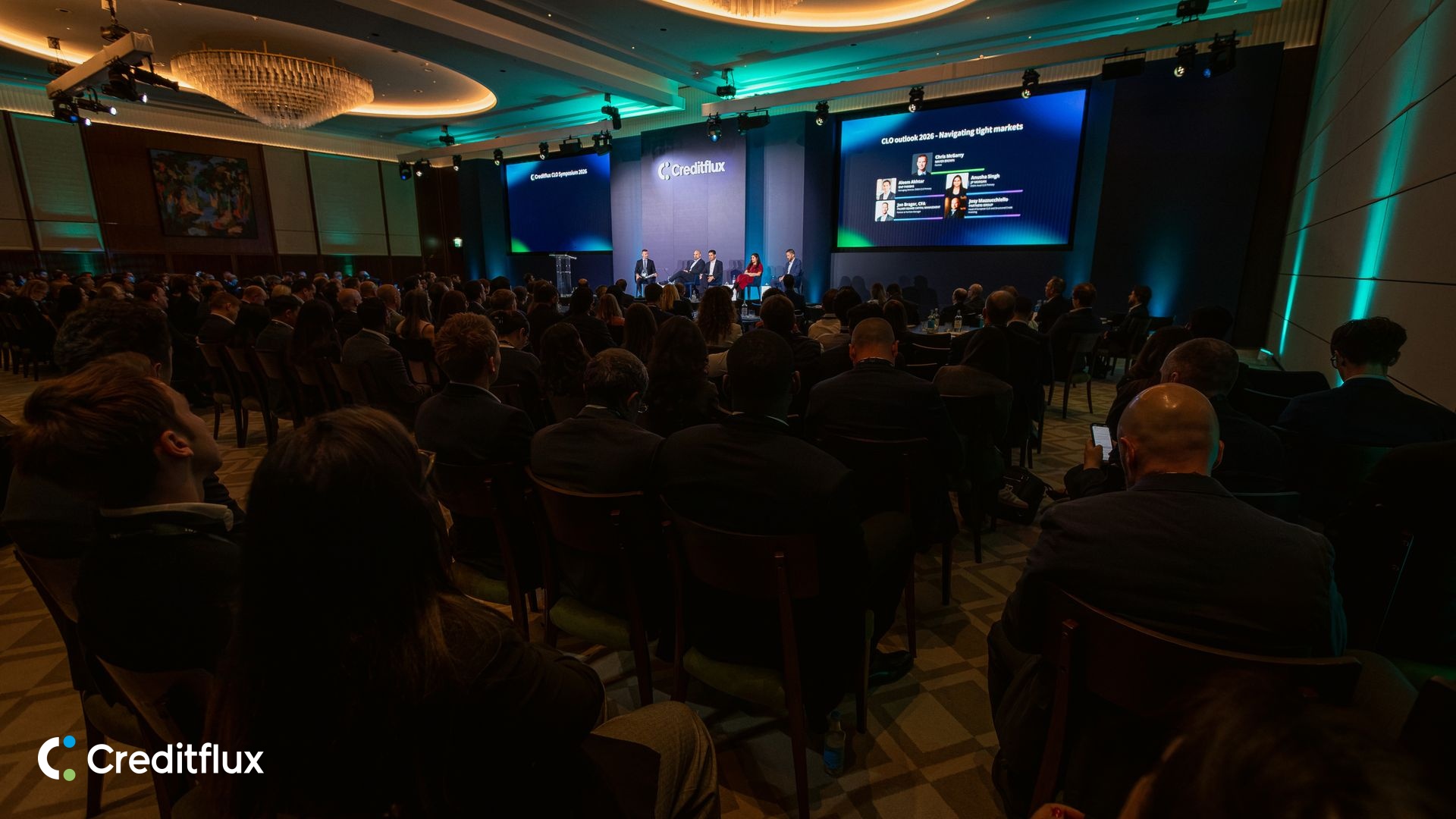
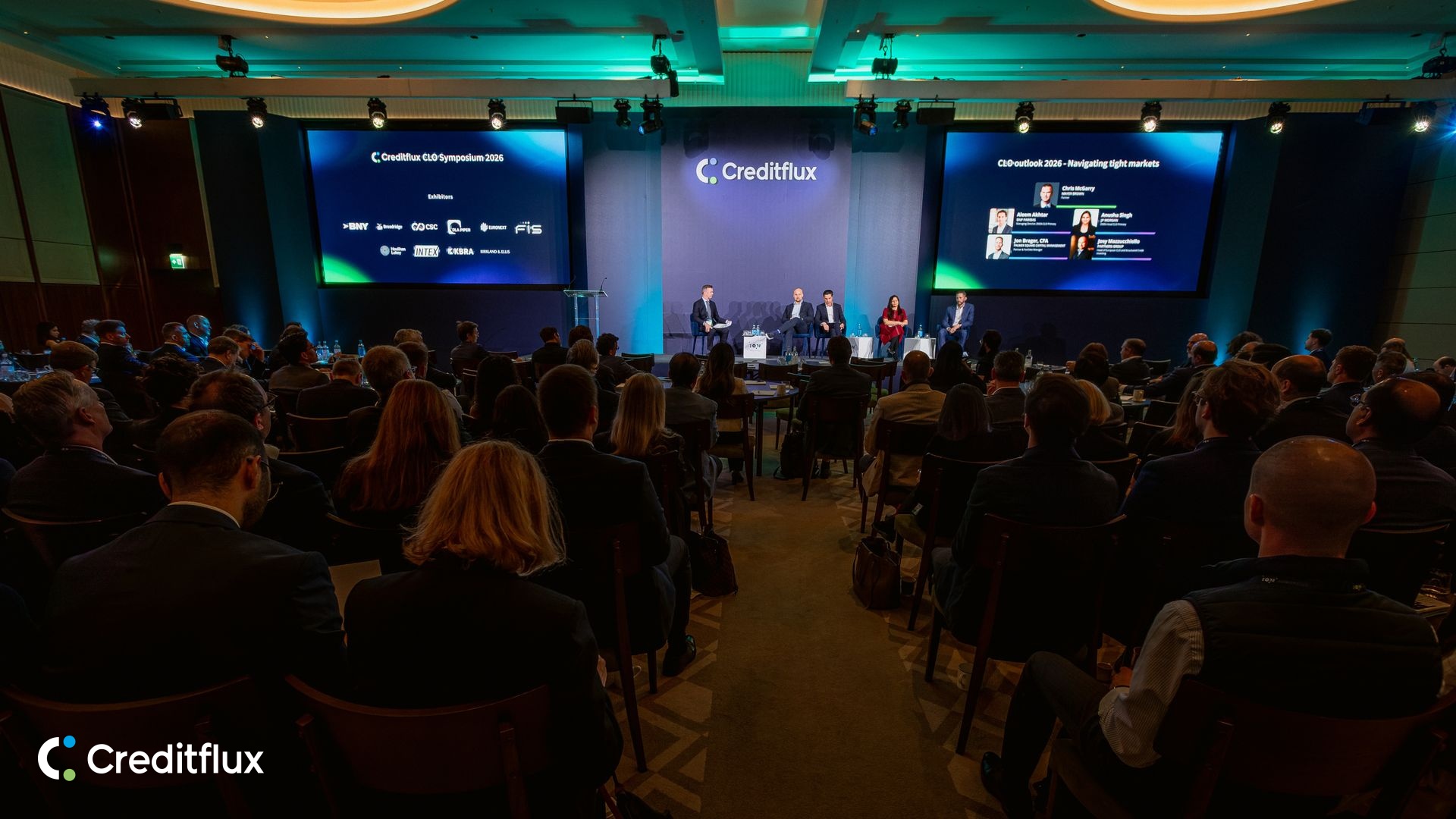
CLO outlook 2026 - Navigating tight markets

Setting the Scene: CLO Market in 2026

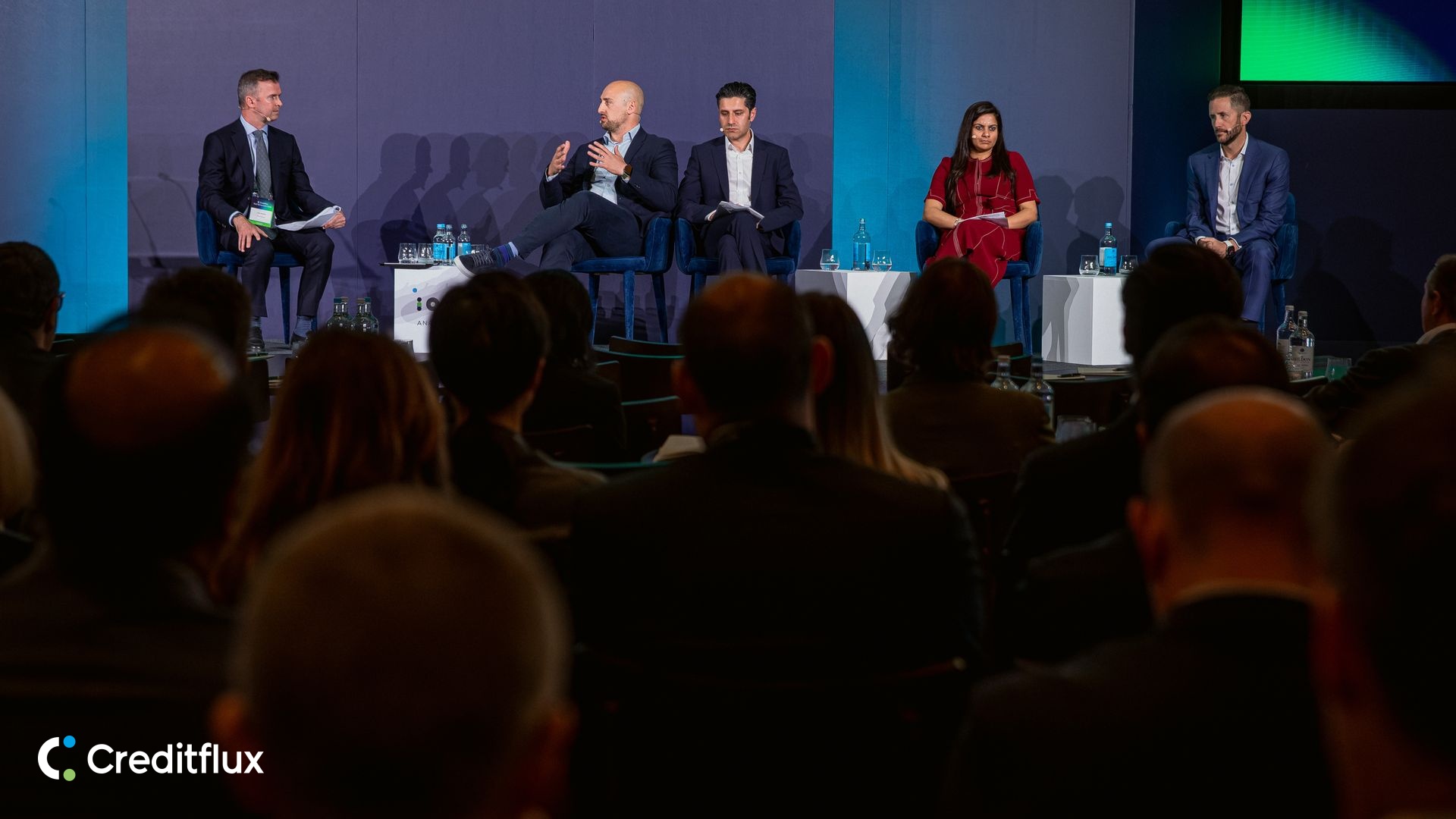
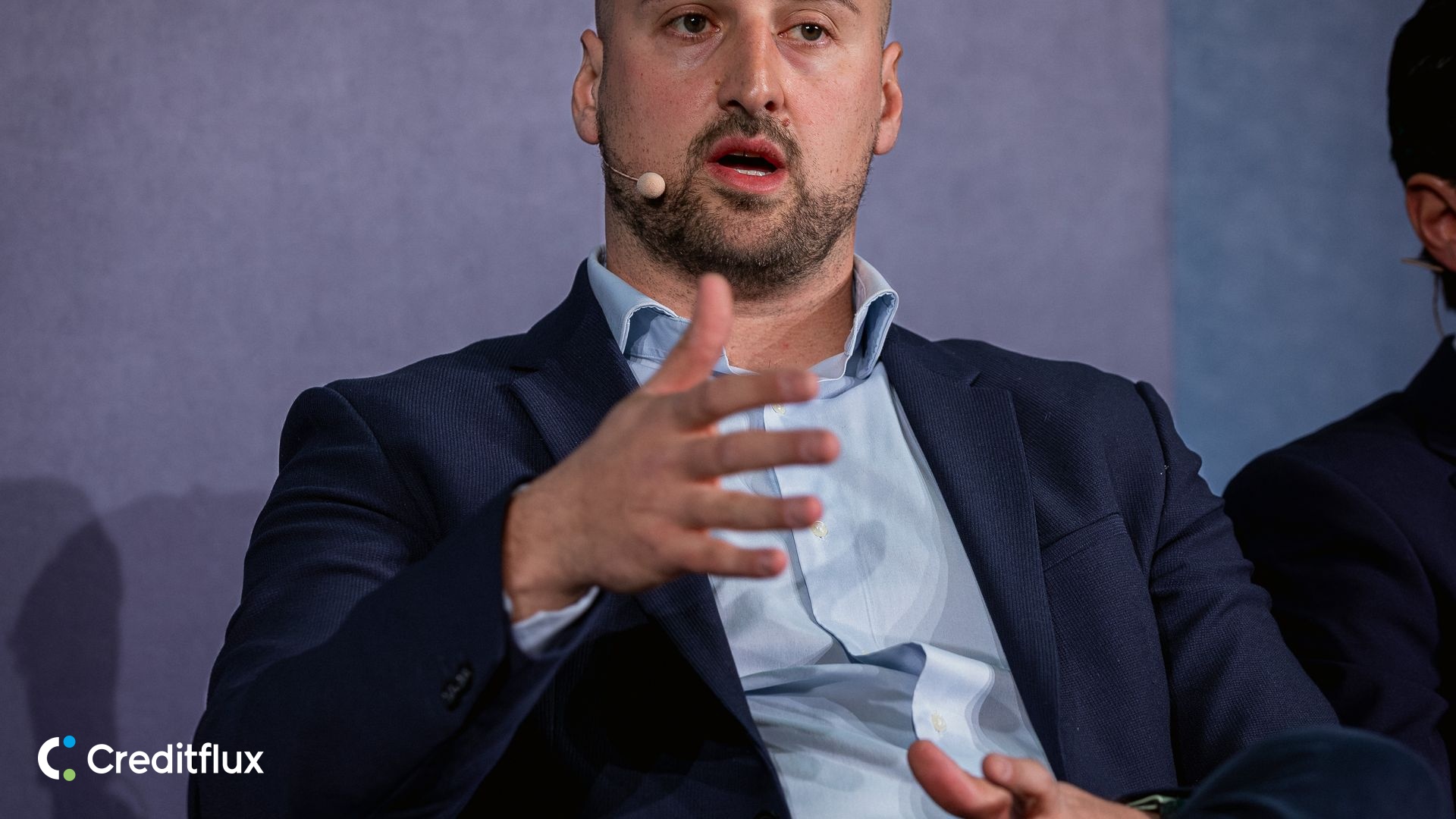
The moderator Chris McGarry opens the panel by recapping the CLO market journey from early 2025 through record issuance at year-end, into the current environment of geopolitical tension, AI disruption, the 2028 maturity wall, and recent securitization frauds. He pushes back on lazy comparisons between CLOs and CDOs, highlights CLOs as the best-performing asset class this millennium, and points to EU regulatory tailwinds including the Solvency II stimulus and the savings and investments union agenda. Panellists then introduce themselves.

CLO Spread Outlook and Investor Base Evolution

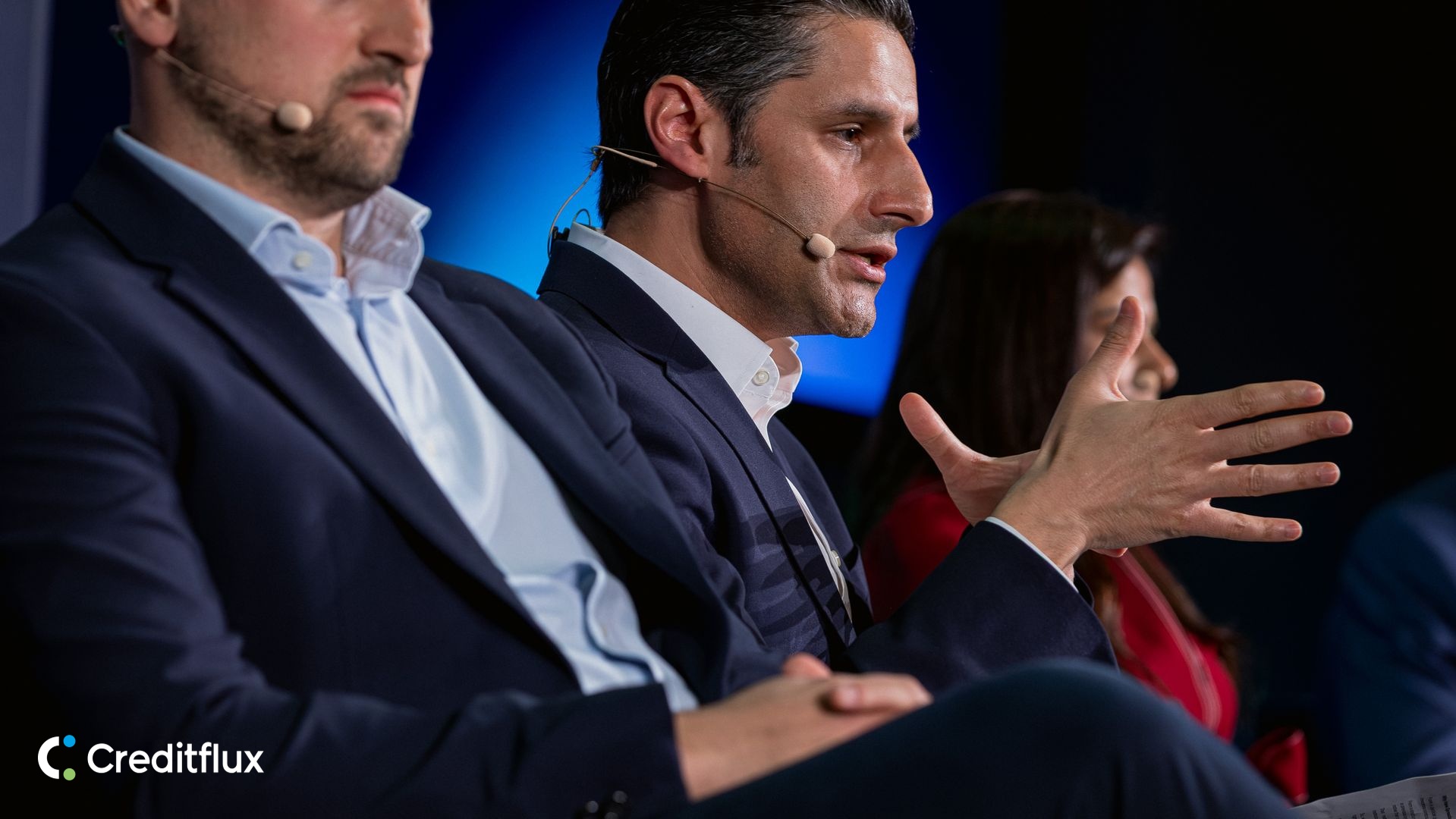
Anusha Singh and Aleem Akhtar assess the current CLO spread environment, noting a mixed but resilient first quarter with flat year-over-year issuance of around 30 billion euros. Both speakers highlight the growing depth and sophistication of the European CLO investor base, with demand expanding from Japan, the US, continental Europe, Thailand, and China. The AAA tranche is identified as particularly robust due to mass adoption by banks and money managers, while the floating rate nature of CLOs is cited as a key structural advantage amid rate volatility.

Navigating Volatility: AI Disruption and Portfolio Positioning

Jon Brager and Josy Mazzucchiello discuss how managers have been positioning portfolios in response to AI-driven disruption, particularly in software names following the Claude Code announcement, and the subsequent geopolitical shock from the US-Iran conflict. Key tools highlighted include diversity, careful position sizing in volatile sectors, and the ability to buy dislocated loans at attractive prices. The discussion also covers how periods of volatility allow managers to differentiate themselves and improve warehouse economics ahead of CLO takeout.

Inflation, Rate Volatility, and the Floating Rate Advantage

The panel examines whether inflation is durably out of the box following the oil price shock and geopolitical tensions. Josy Mazzucchiello flags rising corporate price increases and the 2028 maturity wall as medium-term risks, while Jon Brager argues that fiscal deficits, threats to Fed independence, and deglobalisation mean rate volatility will be structurally higher going forward. Both speakers conclude that floating rate credit, and CLO AAAs in particular, represent an attractive way to earn yield while avoiding duration risk.

What Could Tighten CLO Spreads from Here?

Aleem Akhtar and Anusha Singh analyse the near-term catalysts for CLO spread tightening. Key technicals discussed include approximately 33 billion of paper exiting reinvestment periods in 2026, rising investor cash repayments being recycled into the market, sustained Japanese bank demand despite rising domestic rates, and the depth of a global investor base spanning Scandinavia, the Middle East, and Asia. Both speakers note that a resolution of the Iran conflict could be a near-term trigger, while emphasising that portfolio construction and manager quality are increasingly driving investor decisions.

CLO Platform Growth: M&A, Scaling, and New Manager Dynamics

The panel explores the outlook for CLO manager consolidation, new entrant activity, and platform scaling strategies. Josy Mazzucchiello notes that M&A valuations remain a barrier to large-scale consolidation in Europe, while around 20 to 25 new managers are expected to enter the market. Jon Brager argues that credit is a scale business and that the drive to serve large private equity sponsors will continue to push consolidation. Both speakers highlight the growing importance of multi-product platforms offering CLOs alongside direct lending, BSL, and hybrid strategies.

Regulatory Tailwinds: Solvency II and the Insurance Opportunity

The moderator outlines the significance of the Solvency II amendments coming into force on 30 January 2027, which will reduce the risk weight for EU insurers investing in CLO AAAs to approximately one fifth of its current level. Jon Brager confirms that conversations with insurance companies are already underway, with firms preparing to take advantage of the lower capital charge. He draws a sharp contrast with the US market where insurance is already a major CLO buyer, and argues that the regulatory change is a normalisation of post-GFC rules that unfairly penalised securitisations.

Closing Outlook: Market Conviction and Medium-Term Risks

Each panellist offers closing thoughts on the market outlook. Josy Mazzucchiello is cautiously positive near-term but flags H2 risks around AI refinancing and the 2028 maturity wall. Aleem Akhtar expects continued activity with greater manager selectivity, more private credit and hybrid CLOs, and faster deal execution windows. Anusha Singh notes that while investor cash remains available and the primary market is open, issuance will be choppier due to the loan-liability disconnect, though Europe's infrastructure and defence spending needs support the medium-term growth case. Jon Brager points to the 2027/28 maturity wall in software services as the key watchpoint, with successful refinancings likely to be a green light for broader market recovery.