







Creditflux CLO Symposium 2026

location_on The Chancery Rosewood, London Map
21 Apr

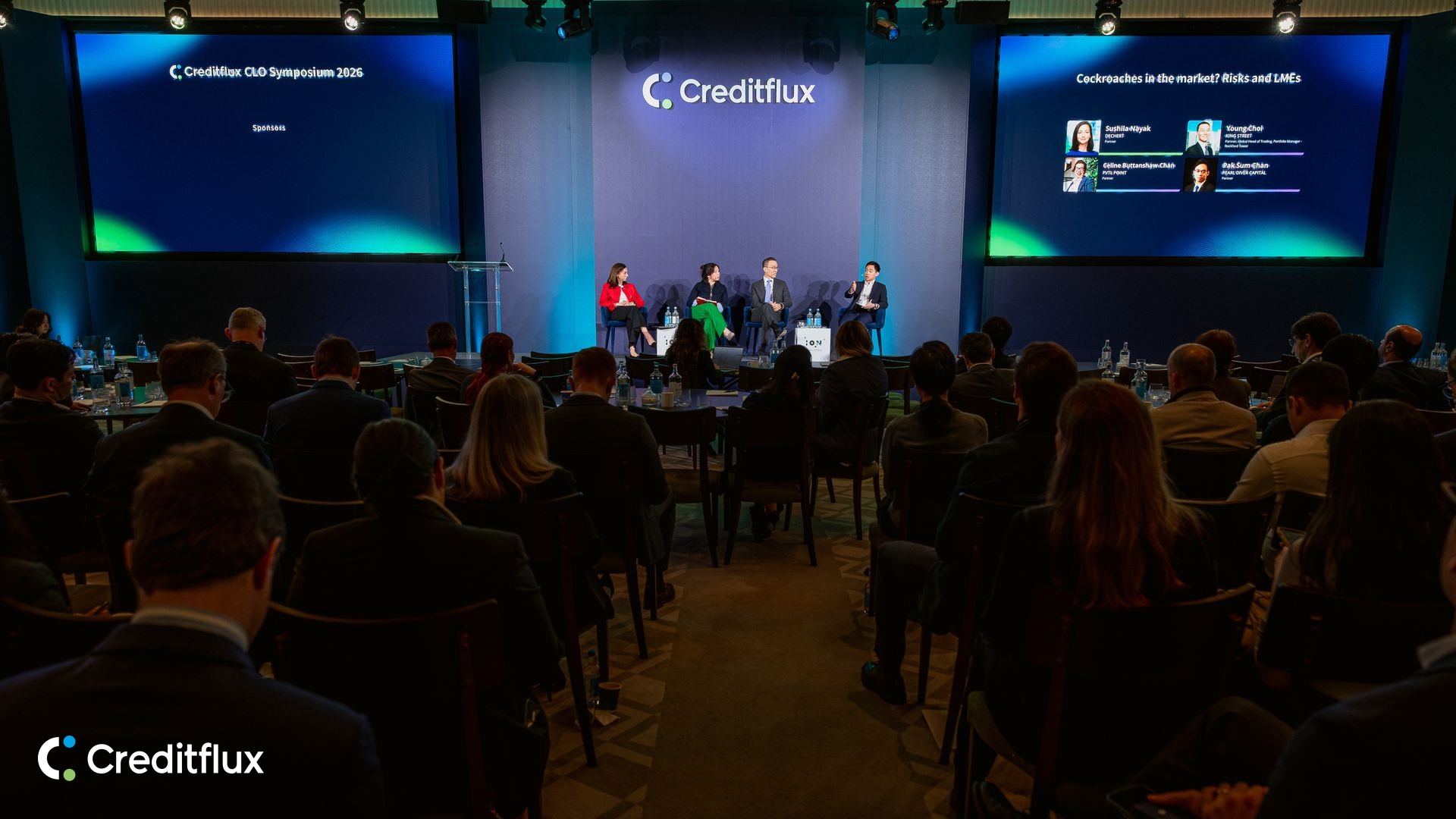
Cockroaches in the market? Risks and LMEs

Introduction to LMEs and Their Impact on CLOs

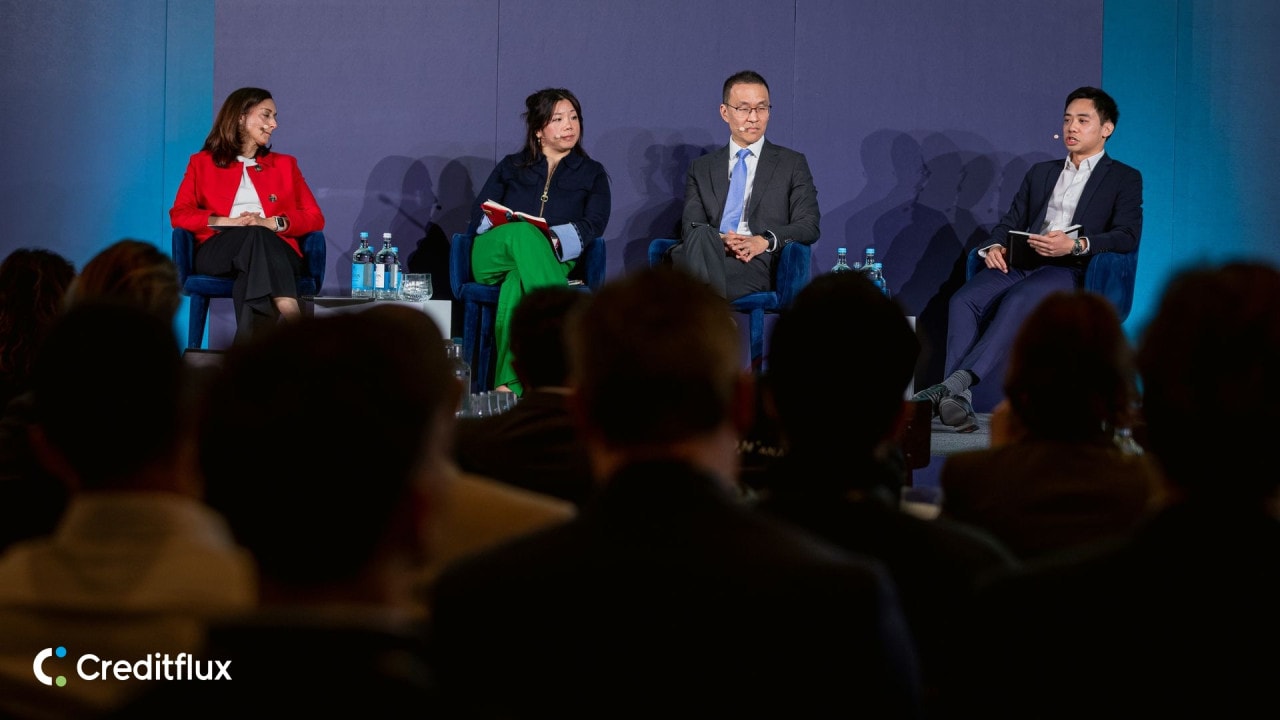
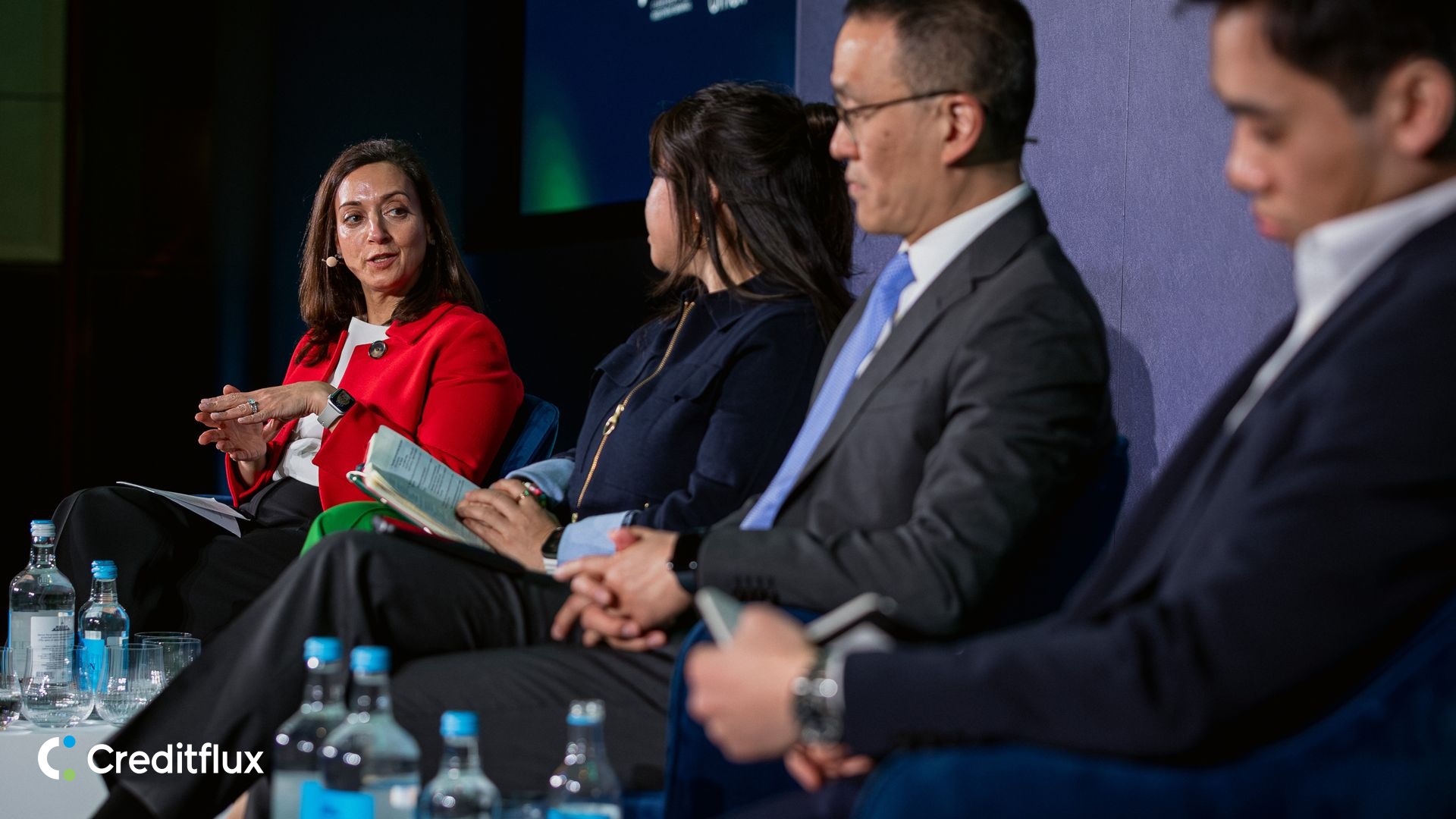
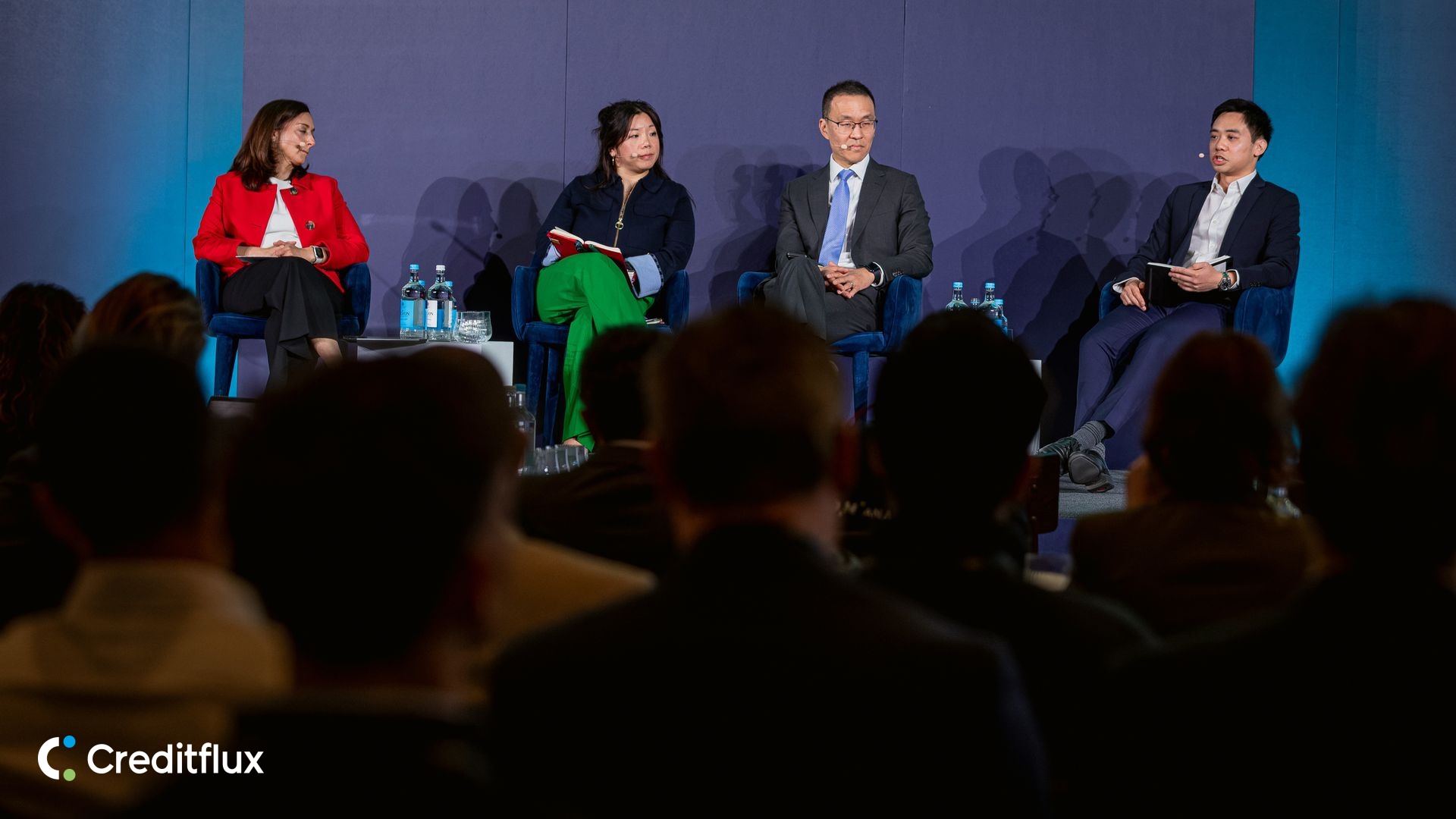
The moderator opens the discussion by explaining how Liability Management Exercises (LMEs) have evolved from last-resort insolvency tools to proactive financial strategies in the US leveraged loan market. The panel notes that these techniques are increasingly crossing into Europe, where legal frameworks differ significantly. Panelists introduce themselves, representing perspectives from distressed credit investing, CLO management, and CLO tranche investing.

How LMEs Redistribute Value Across the Capital Stack

Panelists discuss how LMEs function as mechanisms for redistributing value across the capital structure, creating divergent outcomes for investors depending on their position. The conversation covers the rise of non-pro rata creativity, the growing use of minority creditor litigation in Europe, and the historically high re-default rates of LME transactions. The difficulty of traditional LTV analysis in today's environment is highlighted as a core challenge for credit managers.

Beyond Traditional LMEs: Creative Document Exploitation

The panel explores how borrowers and sponsors are achieving non-pro rata outcomes through mechanisms that fall outside the traditional LME label, including distress disposals, asset sales, and standard documentary baskets. The discussion highlights that these 'stealth' techniques — including aggressive A&E packages, PIK toggles, and EBITDA add-backs — can mask credit deterioration and go undetected by standard LME monitoring frameworks.

CLO Manager Strategies for Navigating LME Risk

Panelists discuss how CLO managers should respond to LME situations, emphasising the critical importance of making early decisions about whether to join a creditor group, exit a position, or take a blocking stake. The conversation covers the value of forming lender groups proactively, the shift from third-party-led to existing-lender-led LMEs, and how managers with restructuring expertise and sufficient capital are better positioned to protect their portfolios.

Capital, Expertise, and Opportunism in LME Execution

The discussion turns to how firms with multiple capital vehicles — including CLOs, hedge funds, and distressed drawdown vehicles — can approach LMEs from both offensive and defensive angles. Panelists explain how proactive sponsor engagement, internal restructuring expertise, and the ability to deploy new money capital are key differentiators. The conversation also covers how tranche investors evaluate manager capabilities, including recovery track records and co-op group participation rates.

Sponsor Behaviour and the Triggers Behind LME Activity

Panelists examine the motivations behind sponsor-driven LMEs, including equity preservation, discount capture, and maturity extension. The discussion emphasises that market environment — particularly the inability to access vanilla refinancing — is the primary trigger for LME activity. The panel also explores how knowing which players are at the negotiating table, and their incentives, is as important as understanding the deal structure itself.

Europe vs. the US: LME Market Maturity and Key Differences

The panel compares the development of LME activity in Europe versus the US, noting that the US market is more mature rather than inherently more aggressive. European-specific factors — including multi-jurisdictional documentation gaps, relationship-driven lending culture, intercreditor agreements, and stronger minority protections under English law — create a distinct landscape. Panelists debate whether European LME activity will converge with US patterns as economic pressures mount and global sponsors operate across both markets.