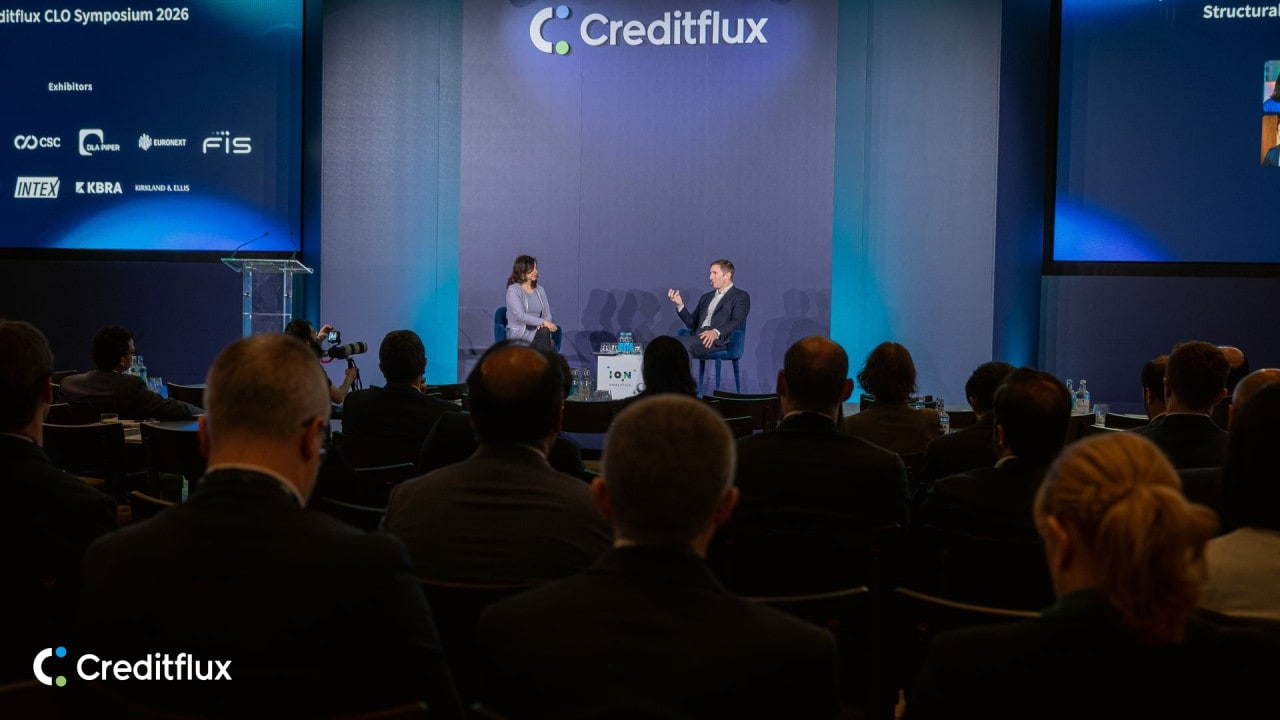










Creditflux CLO Symposium 2026

location_on The Chancery Rosewood, London Map
21 Apr

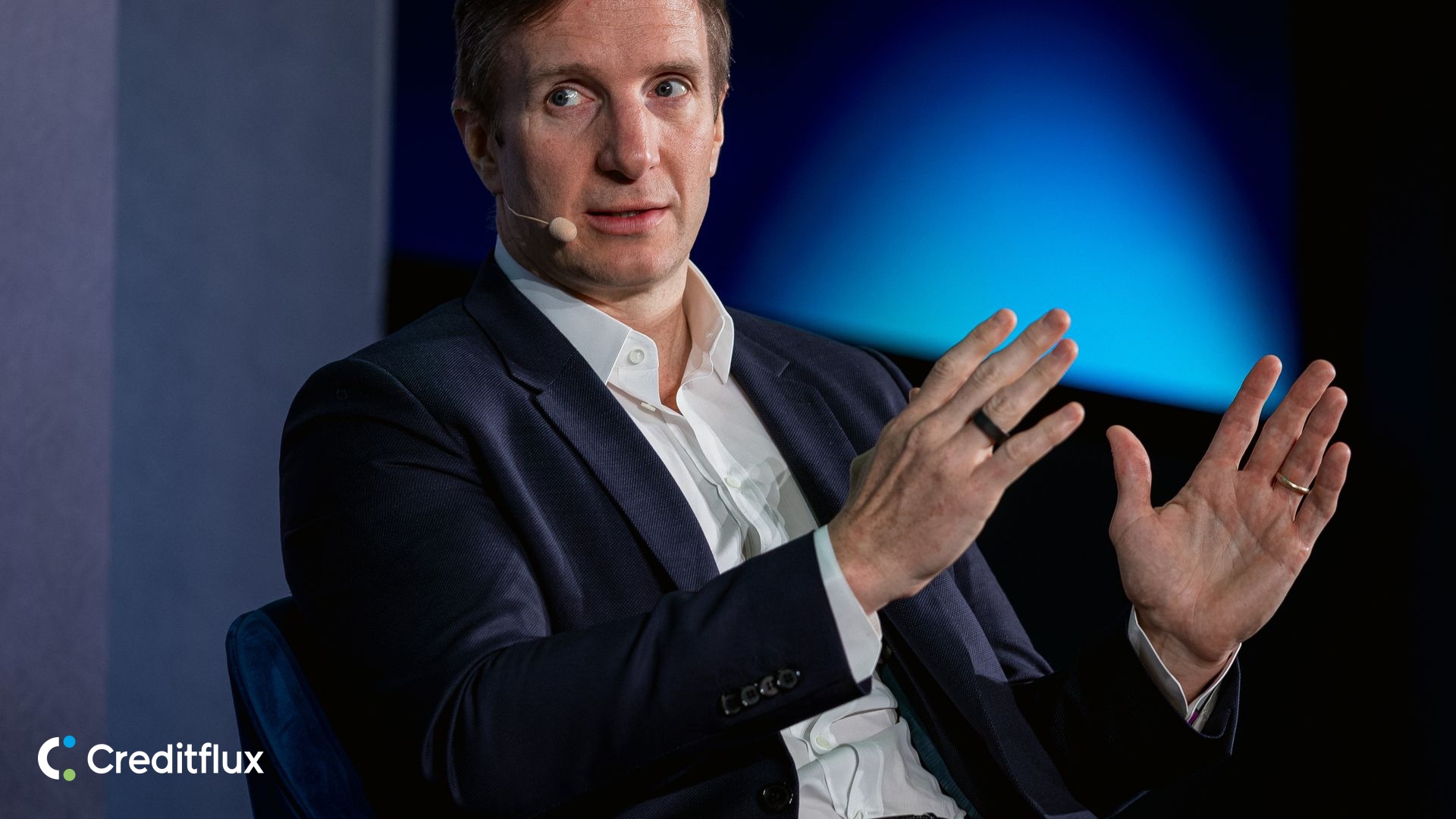
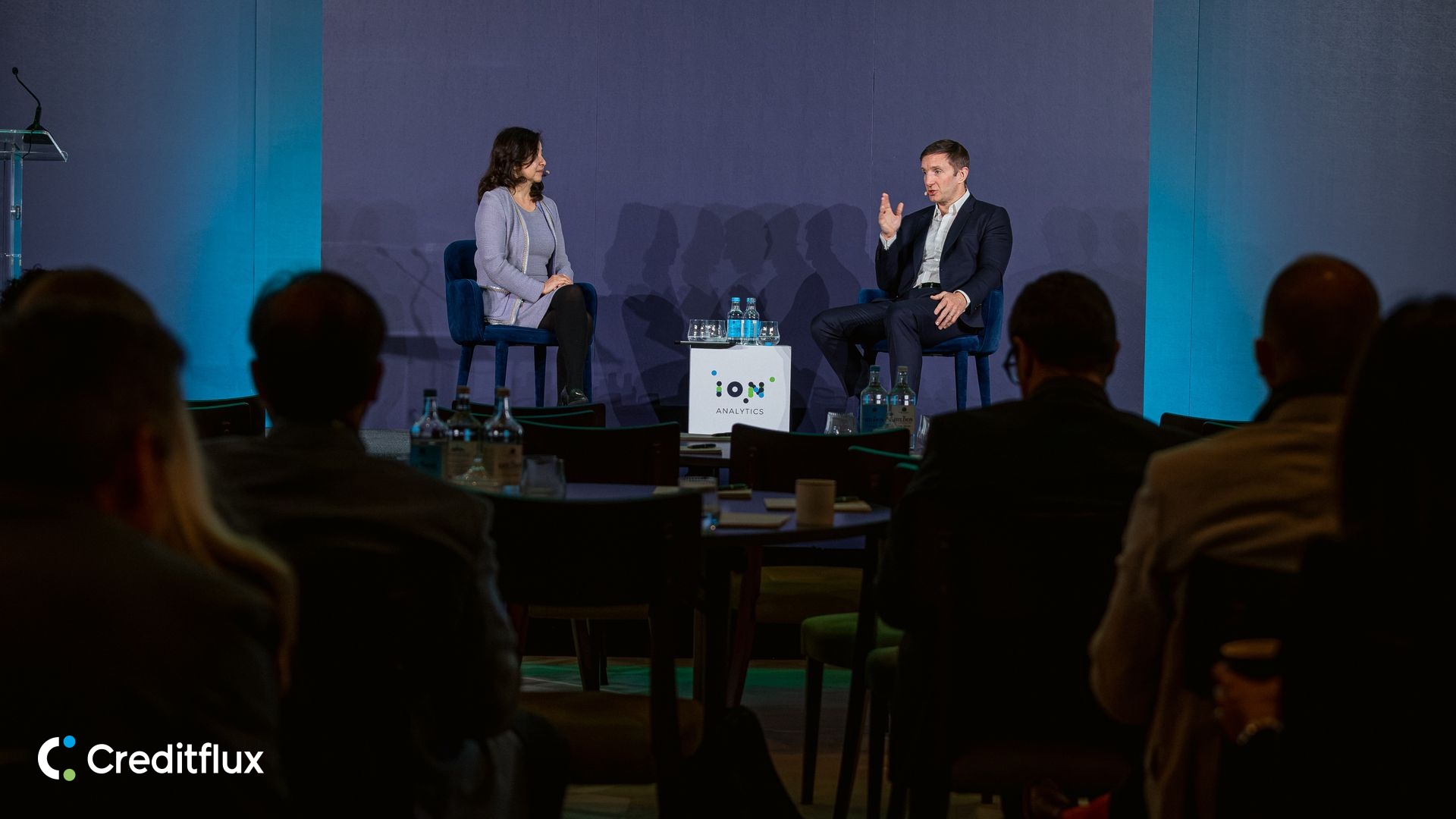
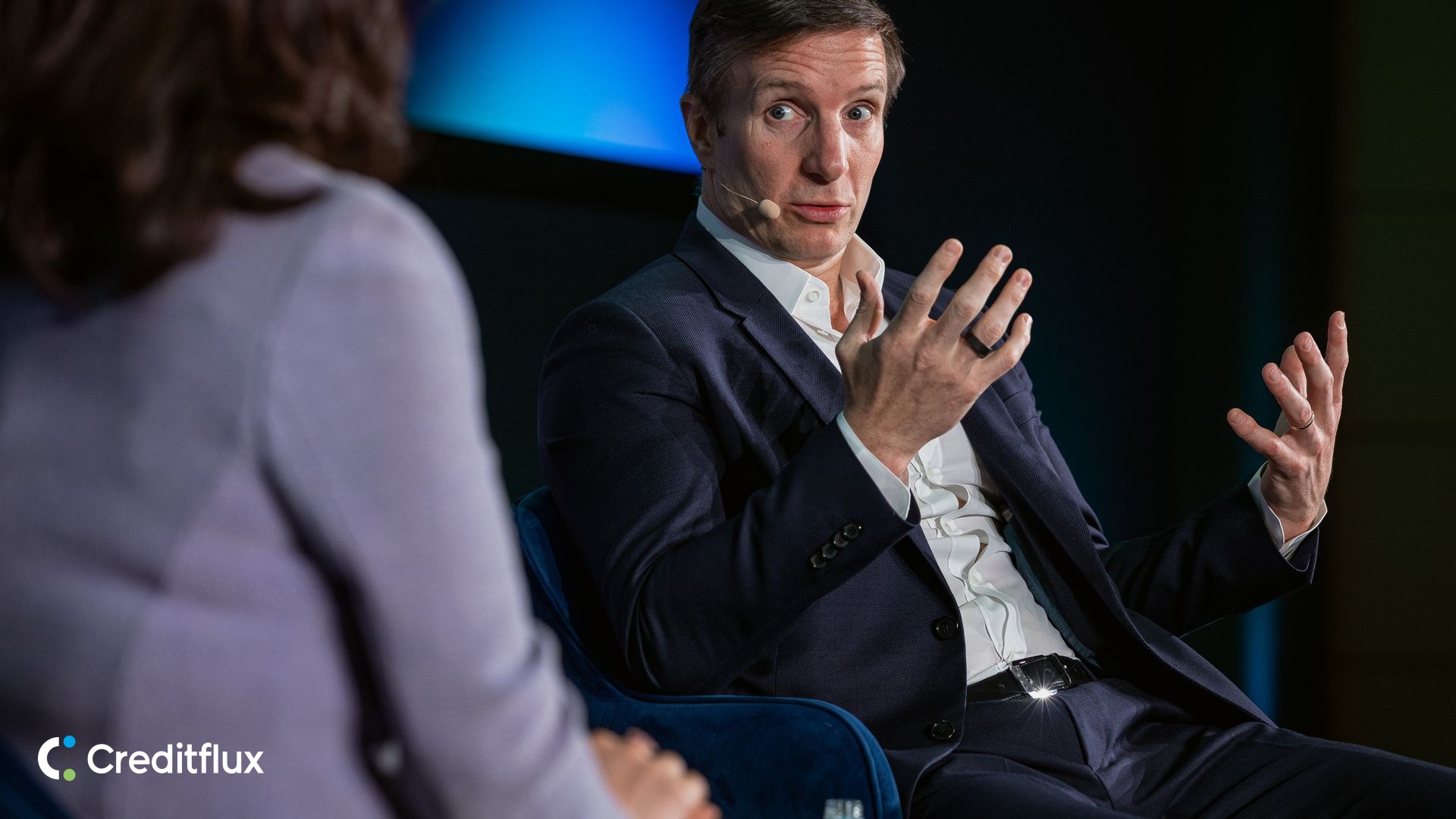
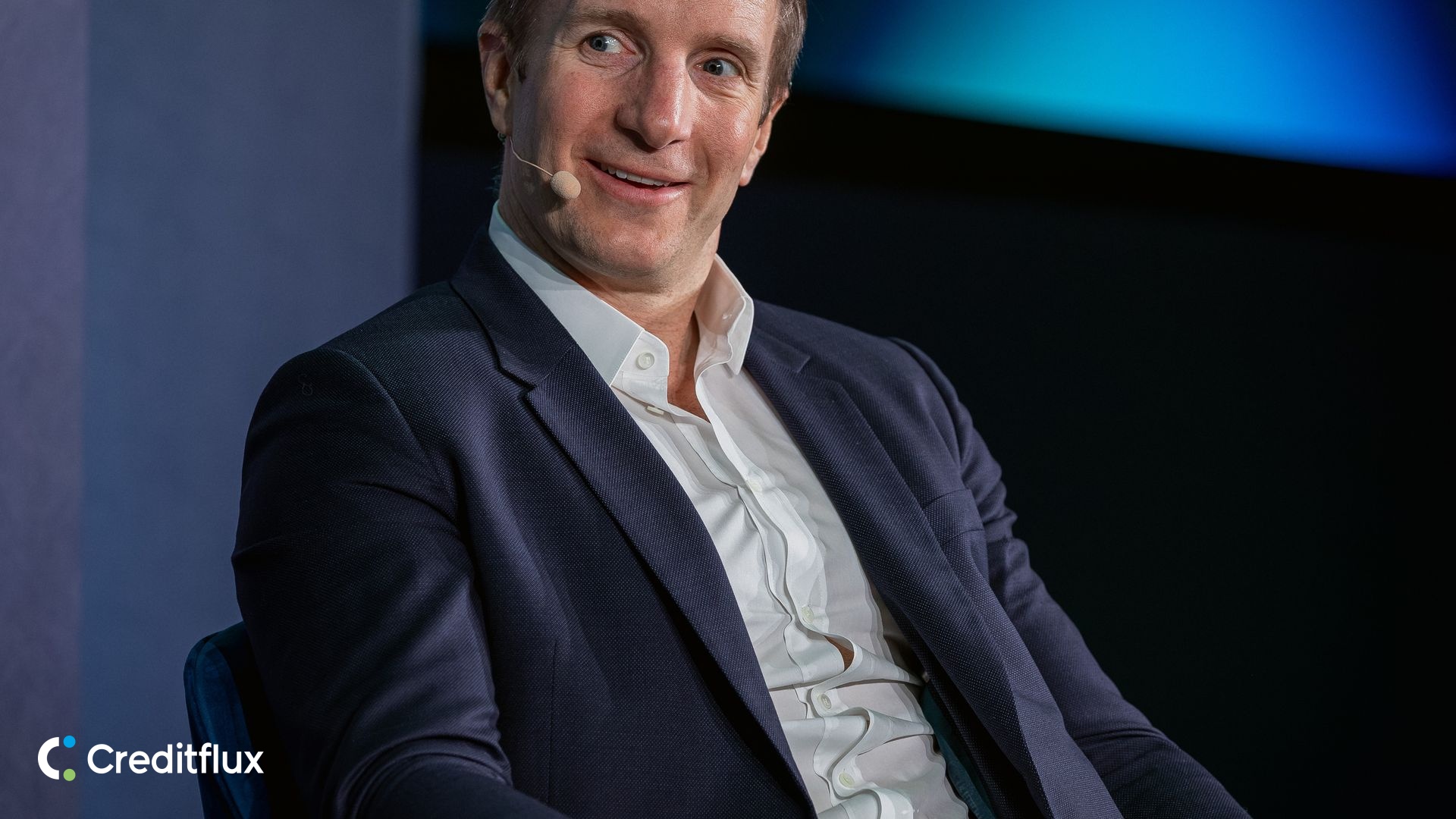
Keynote: Macroeconomic impact on global CLO markets – Structural shifts or continued resilience?

Setting the Stage: Markets, Geopolitics, and Tight Spreads

The conversation opens with a personal introduction before quickly turning to the macro environment. The discussion covers how markets entered the year overly bullish, why spreads remain historically tight despite unresolved geopolitical risks including the Middle East conflict, and whether current market pricing makes sense given the evident fat tails in the world.

Inflation, Stagflation, and Central Bank Independence

The discussion examines whether central banks will pause or hike rates, the implications of a new Federal Reserve chair nominee aligned with President Trump's rate preferences, and the broader stagflationary environment. Both immediate energy price shocks and structural drivers — including supply chain resilience costs and geopolitical uncertainty — are identified as inflationary forces weighing on growth.

AI Disruption: Opportunity, Threat, and the Credit Market Blind Spot

This discussion explores AI as the most consequential and fast-moving technology ever experienced, examining how LLMs are positioned to capture incremental economic value while incumbent businesses — especially those in software and adjacent sectors — face existential disruption. The analysis focuses on why sub-investment grade credit markets, which predominantly represent the incumbent economy, may be poorly compensated for AI-driven disruption risk.

Private Credit Under Pressure: Software Exposure and BDC Outflows

The conversation turns to private credit and direct lending, examining how AI disruption of software companies is creating real challenges for the asset class given its higher sectoral concentration in software versus the broadly syndicated loan market. BDC redemption caps and non-traded vehicle outflows are discussed, with the conclusion that systemic crisis fears are overblown but sentiment pressure on direct lending is real and likely to persist.

Transmission Mechanisms from Private Credit to Syndicated Markets

Two key transmission mechanisms from private credit stress to the broadly syndicated loan market are identified: the reduced shock-absorbing capacity of direct lending during market dislocations, and the potential for semi-liquid funds to sell liquid collateral to meet redemptions. While neither mechanism is yet causing visible stress in BSL markets, the structural linkages are real and warrant monitoring.

Credit Dispersion, Default Risks, and Sectors to Watch

The discussion addresses rising credit dispersion following a long benign period from post-GFC through 2022, when falling rates made it difficult for any credit investor to underperform. With higher rates, geopolitical shocks, and AI disruption converging, the analysis identifies software and energy-intensive European manufacturing — particularly chemicals and packaging — as sectors facing the most acute near-term credit challenges.

US vs. Europe: Where to Find Value in Credit Markets Today

The relative merits of US versus European credit are weighed, acknowledging that the Middle East energy shock is a more direct negative for Europe. However, the argument is made that geopolitical pressure is accelerating structural reform in Europe — including capital markets union and competition policy changes — making European credit attractive on a relative basis, particularly given slightly cheaper valuations.

Apollo's CLO Growth and the Rising Premium on Manager Selection

Apollo's strong CLO issuance growth — including a 16% AUM increase and 1.6 billion in new issuance — is discussed in the context of a broader thesis that manager selection is becoming dramatically more important as credit dispersion rises. The argument is made that the long era of uniform outcomes across managers is ending, and that research depth and adaptability will increasingly differentiate performance.

Deep Industry Research as a Competitive Edge

The investment research philosophy at Apollo is unpacked, describing a product-agnostic, industry-specialist model where cross-asset pods share deep sector knowledge globally. The rationale is that in a low-default environment generalist research sufficed, but in a world of faster change and higher dispersion, genuine industry expertise — spanning regulatory, competitive, and technological dimensions — is essential to generating superior outcomes.

Growth Opportunities: Hybrid Capital and Investment Grade Private Credit in Europe

The most exciting growth areas are identified as hybrid capital solutions — sitting between performing credit and private equity — and investment grade private credit for large European corporates. The latter is described as an almost untapped market, directly aligned with Europe's enormous capital needs for energy security, infrastructure, and defence. The conversation closes with a measured outlook on leveraged loan supply, affirming that both direct lending and BSL markets have durable, complementary roles.