










Creditflux CLO Symposium 2026

location_on The Chancery Rosewood, London Map
20 Apr

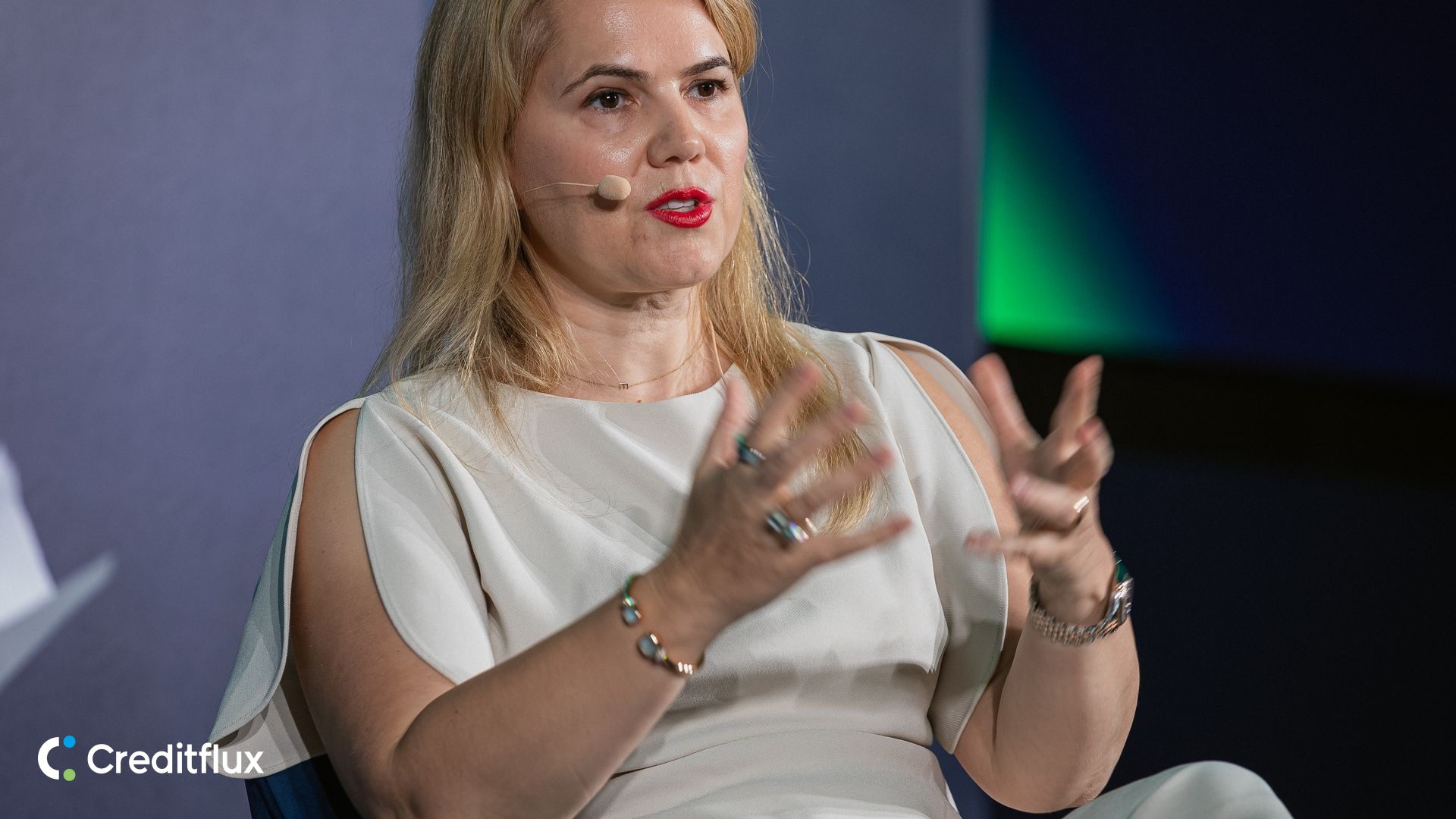
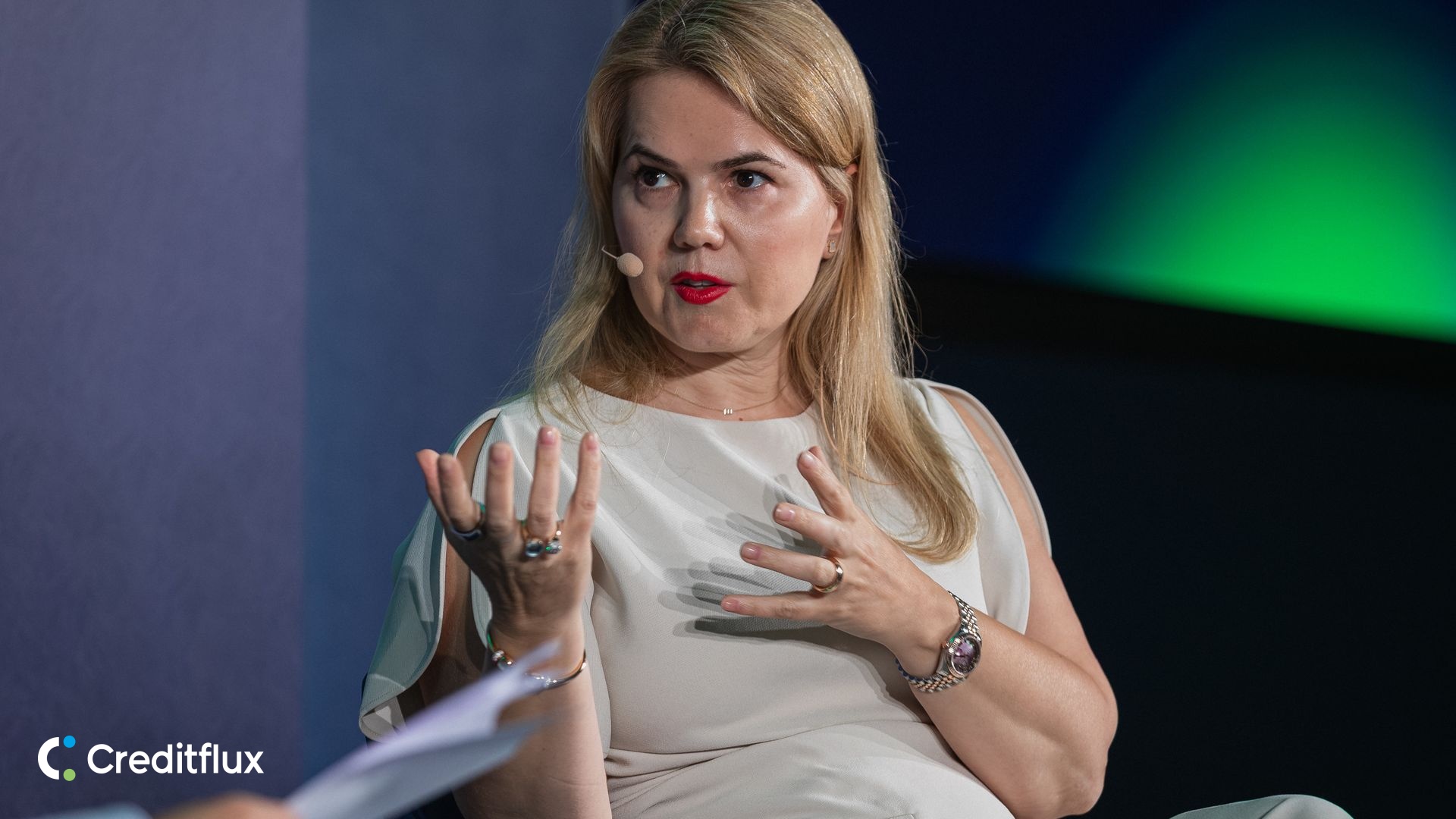
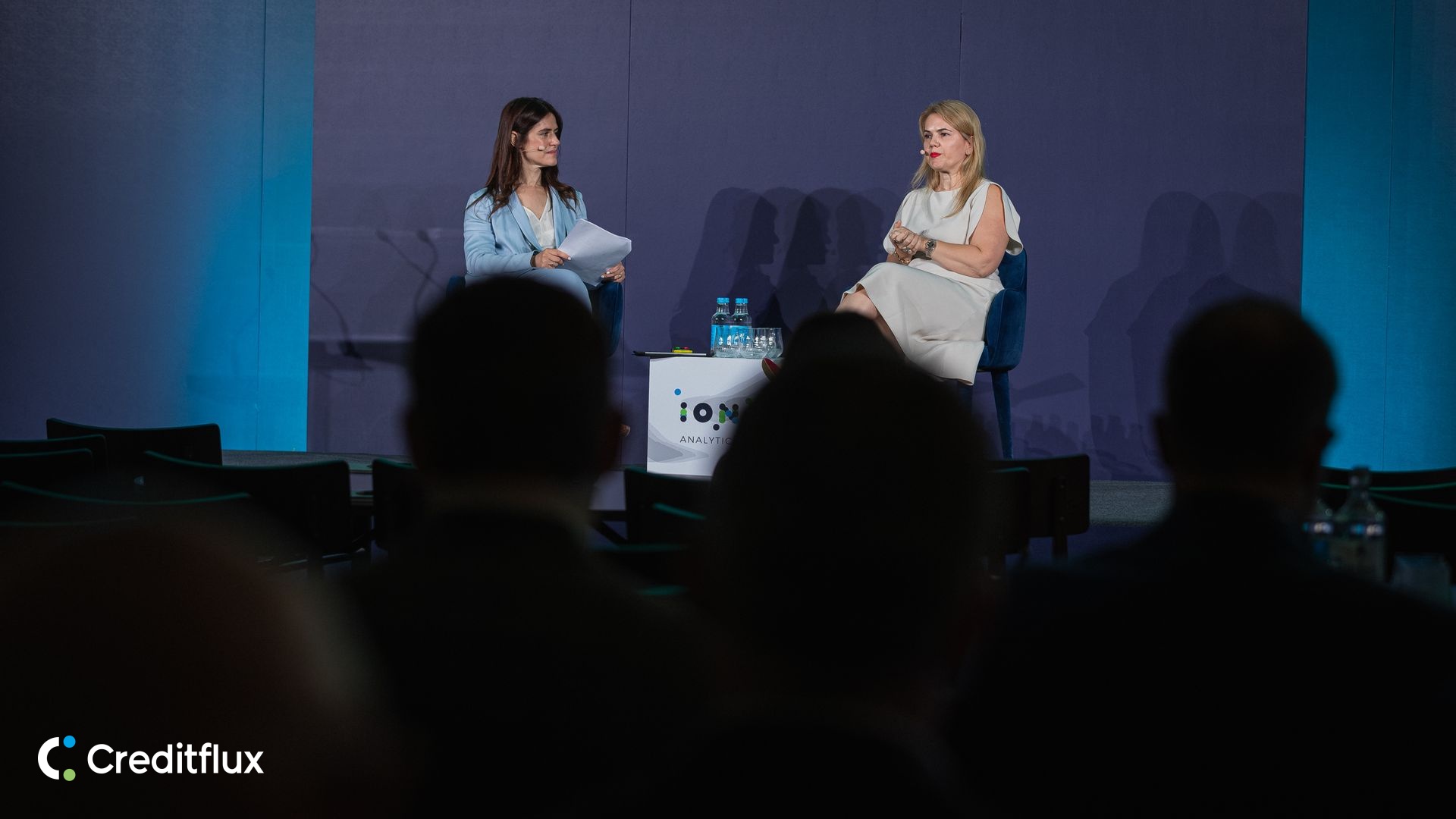
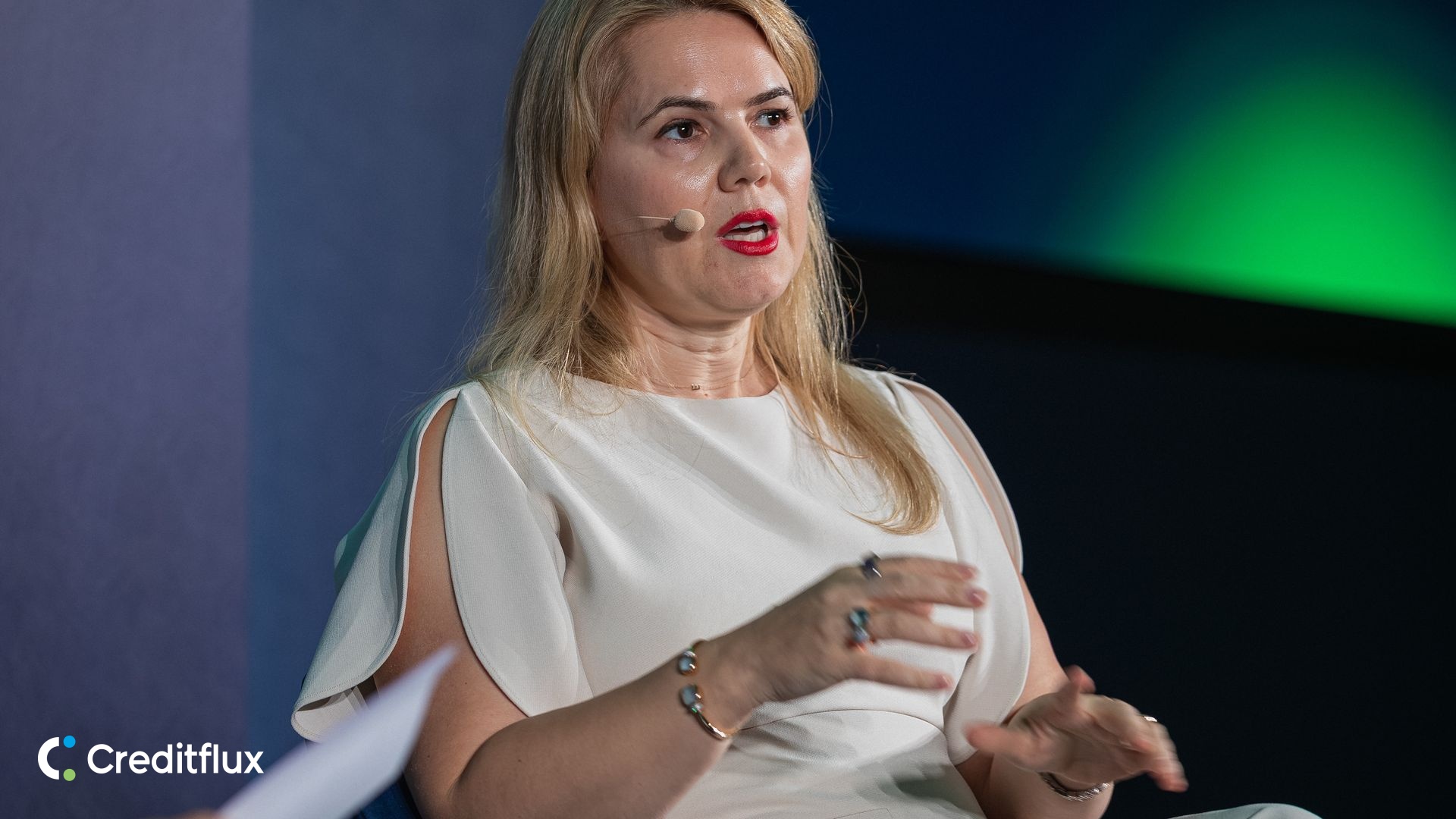
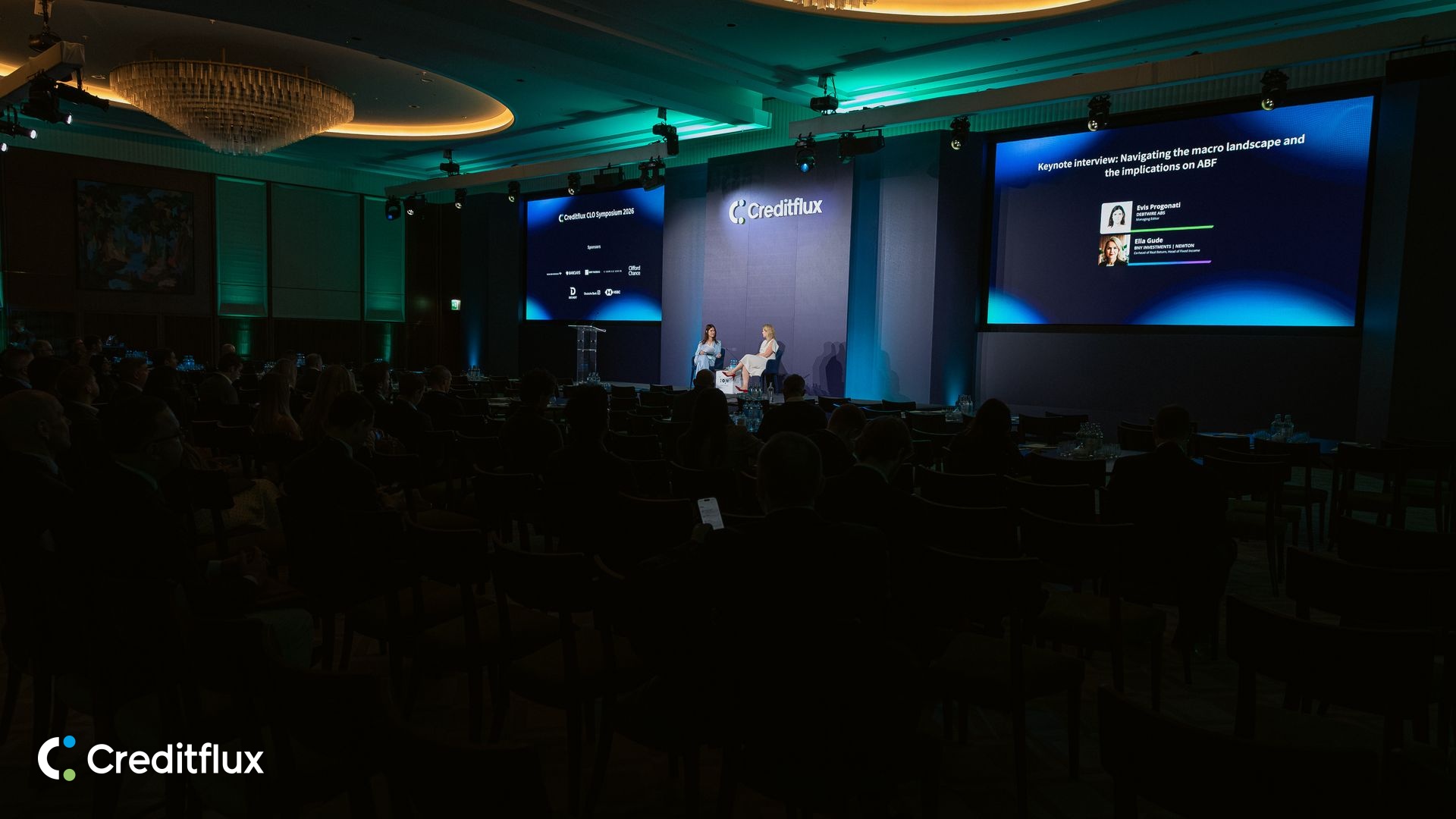
Keynote interview: Navigating the macro landscape and the implications on ABF

A New Macro Regime: Higher for Longer

The conversation opens with a discussion of the current macro environment, characterising the shift that began in 2021-2022 as structural and long-lasting. Key features include higher rates for longer, increased volatility, more frequent exogenous shocks, and persistent inflationary pressures. The speaker argues that both macro forces and fundamentals matter, but macro is increasingly dominant.

Carry vs. Volatility: Navigating Risk Asymmetry

The discussion explores whether markets have shifted from a carry-driven to a volatility-driven environment. The speaker notes that while yield now provides a cushion absent for years, the system is becoming more fragile due to supply chain restructuring, elevated public debt, and rising borrowing costs. Investors should demand adequate return for the risks they are taking.

Asset-Backed Finance in an Inflationary World

The speaker makes the case that markets are mispriced for a world of 3-4% structural inflation rather than the 2-3% assumption embedded in most asset allocations. In this context, asset-backed finance, real assets, and infrastructure are better positioned than growth assets. Shorter duration, amortising structures with real asset backing are highlighted as particularly attractive.

Where Investors Should Be Most Cautious

The speaker identifies the macro supply shock as the primary risk, noting it has not yet fully played out in the real economy. While equity markets and credit spreads appear complacent, core government bond markets are signalling greater concern. Private credit risk is acknowledged but seen as secondary to the broader macro threat, particularly for asset-backed strategies.

Portfolio Positioning for a Volatile Macro Environment

The speaker outlines current portfolio strategy: running the lowest duration in some time, maintaining spread exposure in select emerging markets, holding structural long positions in commodities driven by data centre build-out, defence spending, and supply chain reshoring. Overall portfolio risk is kept lean, with higher cash allocations to exploit future dislocations.

Credit Fundamentals and Hedging the Macro Risk

The speaker expresses measured confidence in credit fundamentals, citing manageable default rate assumptions for loans and high yield. The greater concern is fiscal risk at the sovereign level. The strategy is to avoid duration in credit rather than hedge credit risk itself, as fundamentals broadly remain positive and leverage is not excessive outside private credit.

Private Credit, ABF Convergence, and Mispricing Risk

The convergence of asset-backed finance and private credit is examined. Rapid growth in private markets has likely led to mispricing, with default assumptions in private space potentially reaching 8% or higher depending on SaaS sector outcomes. By contrast, ABF — particularly short-duration, amortising structures backed by real assets — is seen as a strong growth area with more transparent risk.

Geopolitical Shocks and Structural Resilience

The discussion turns to geopolitical risk and which assets are most vulnerable to energy-driven supply shocks. Balance sheets reliant on just-in-time supply systems are identified as most at risk. Conversely, flexible, inflation-resilient real return strategies are well-suited to the new regime of higher inflation and volatility. The stagflation debate is addressed, with the speaker favouring a sequential inflation-then-growth-shock scenario over a persistent stagflationary one.

Risk Migration from Banks to Non-Bank Lenders

The conversation examines whether risk migrating from banks to non-bank lenders and structured vehicles poses systemic danger. The speaker argues a full GFC-style event is unlikely, but identifies the key contagion channel: illiquidity in private credit forcing sales of public market assets. Liquidity deterioration has already been observed. The more probable systemic risk remains an unpriced inflation shock rather than a private credit collapse.

AI, Productivity, and the Biggest Opportunities Ahead

The session closes with a discussion of whether AI-driven productivity gains could offset inflation pressures. The speaker is sceptical that AI will have a meaningful deflationary impact within the next one to two years, with energy, commodities, and geopolitics remaining more immediate drivers. The biggest opportunities identified are infrastructure and supply chain build-out, along with emerging market assets that carry a geopolitical risk premium and remain attractively valued.