

Creditflux CLO Symposium 2026

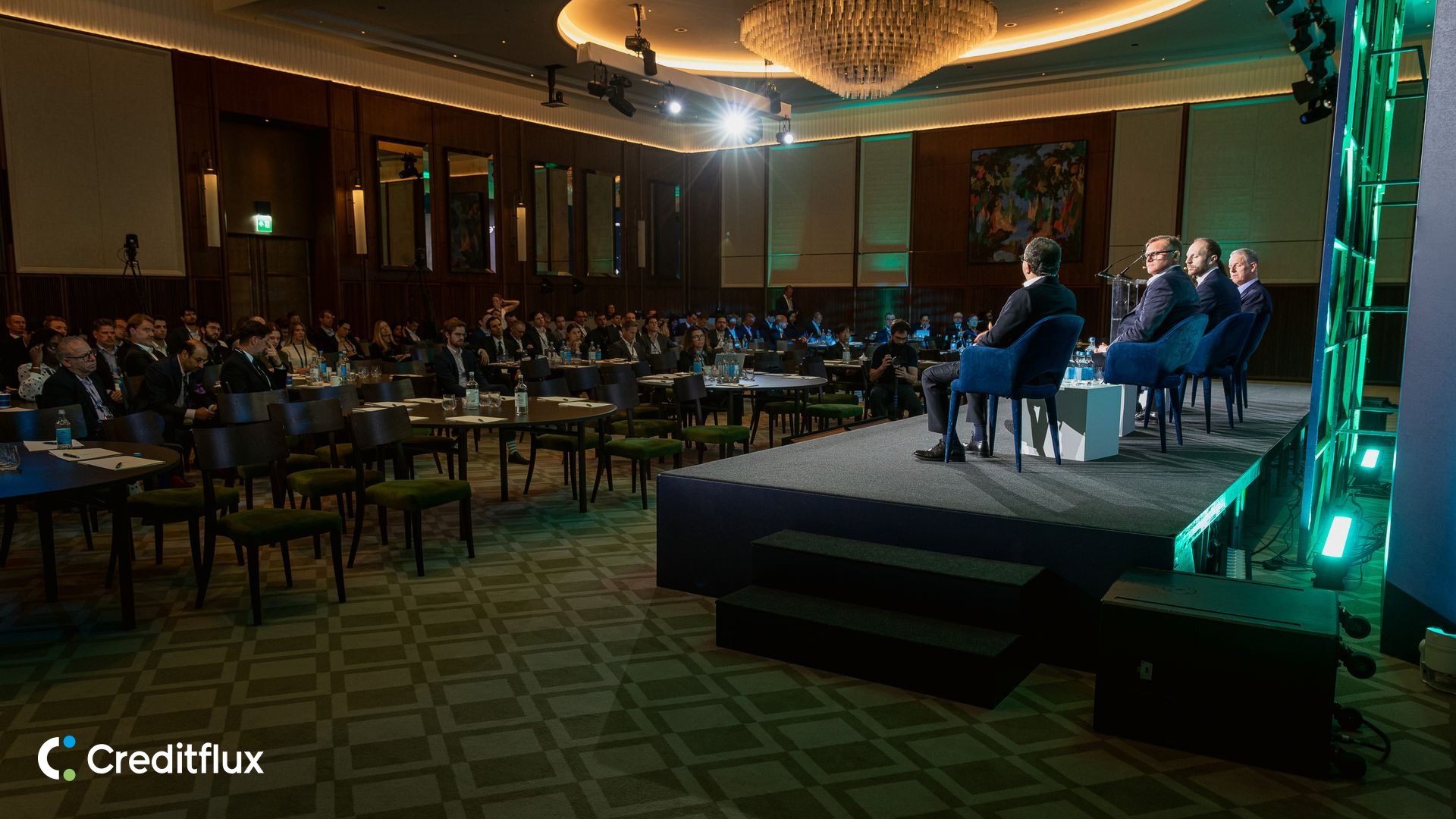
location_on The Chancery Rosewood, London Map
21 Apr

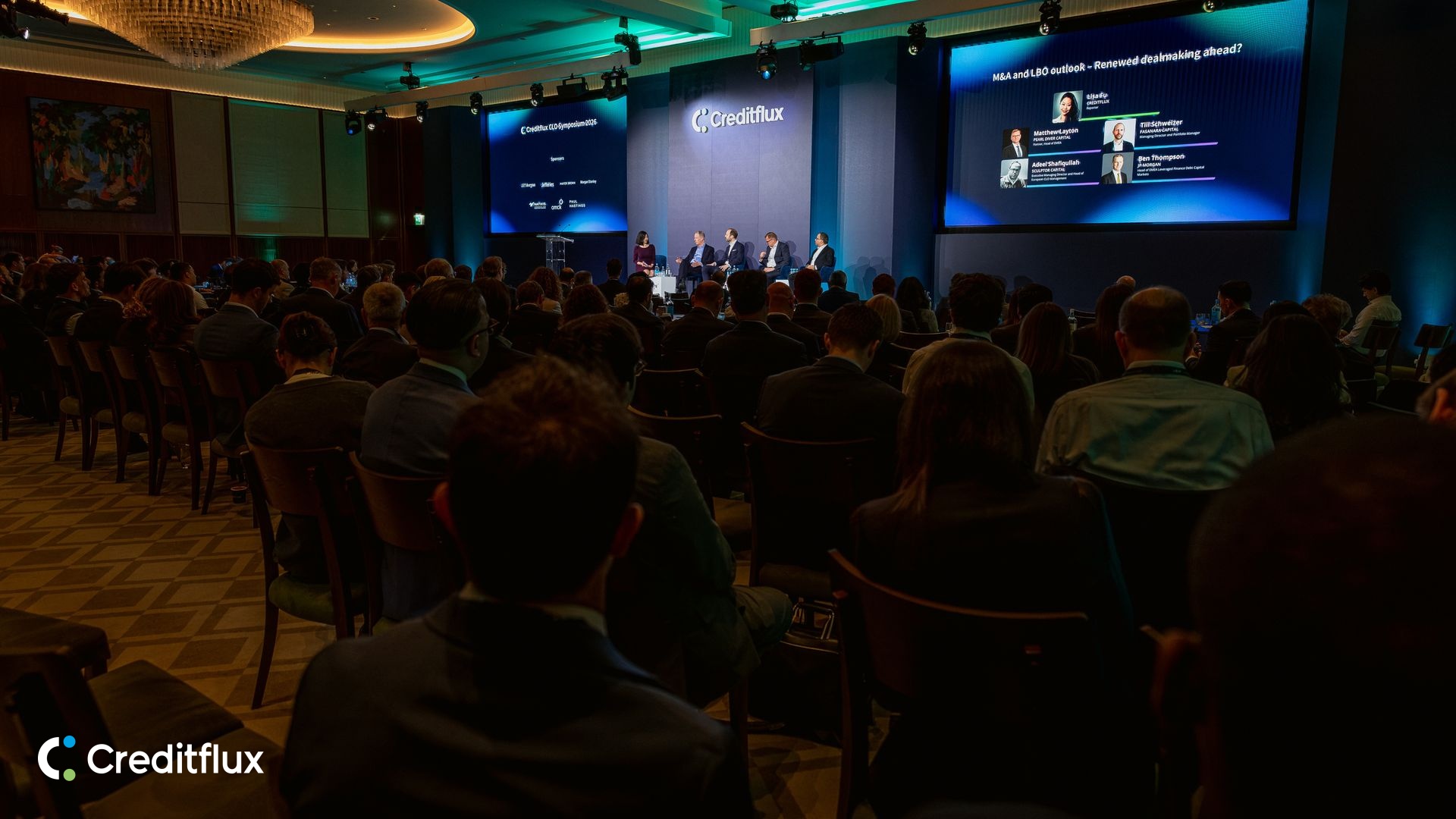
M&A and LBO outlook – Renewed dealmaking ahead?

Panel Introductions and Market Outlook for 2026

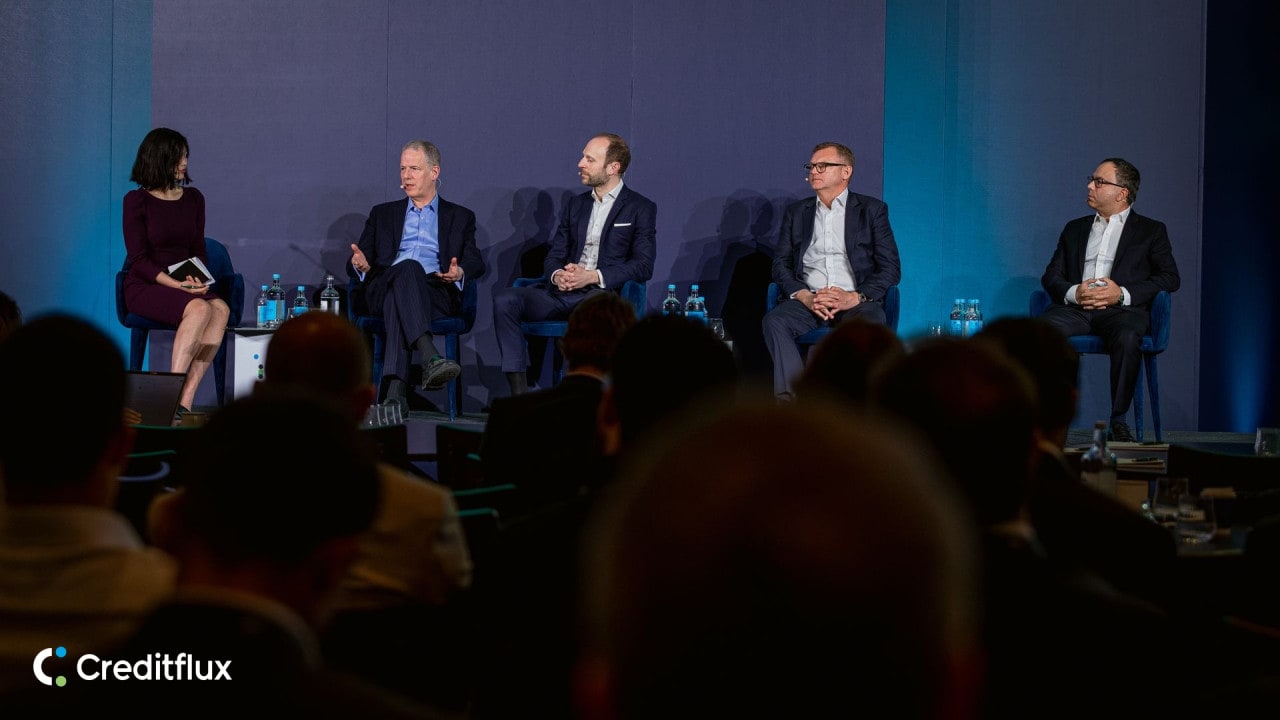
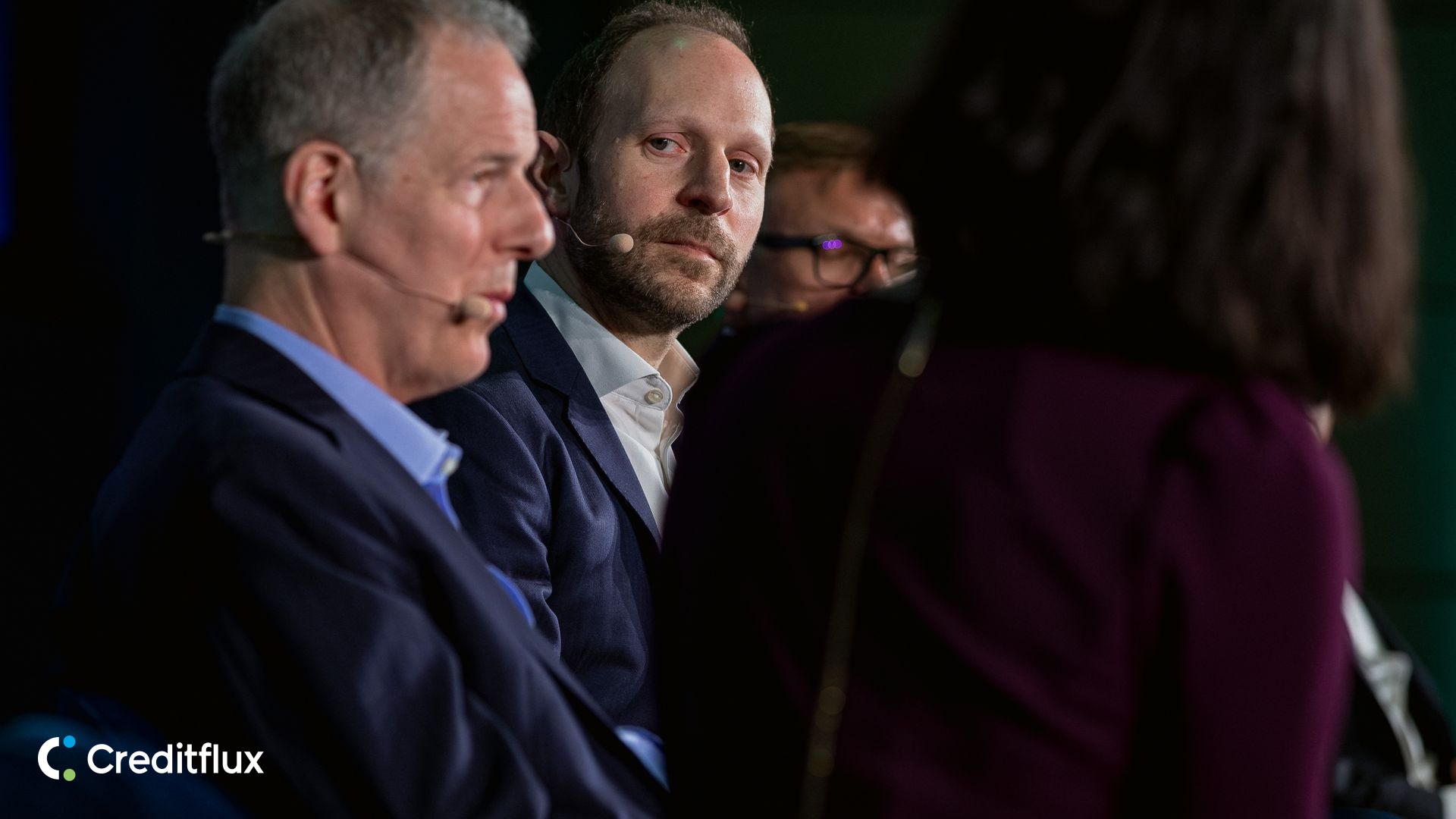
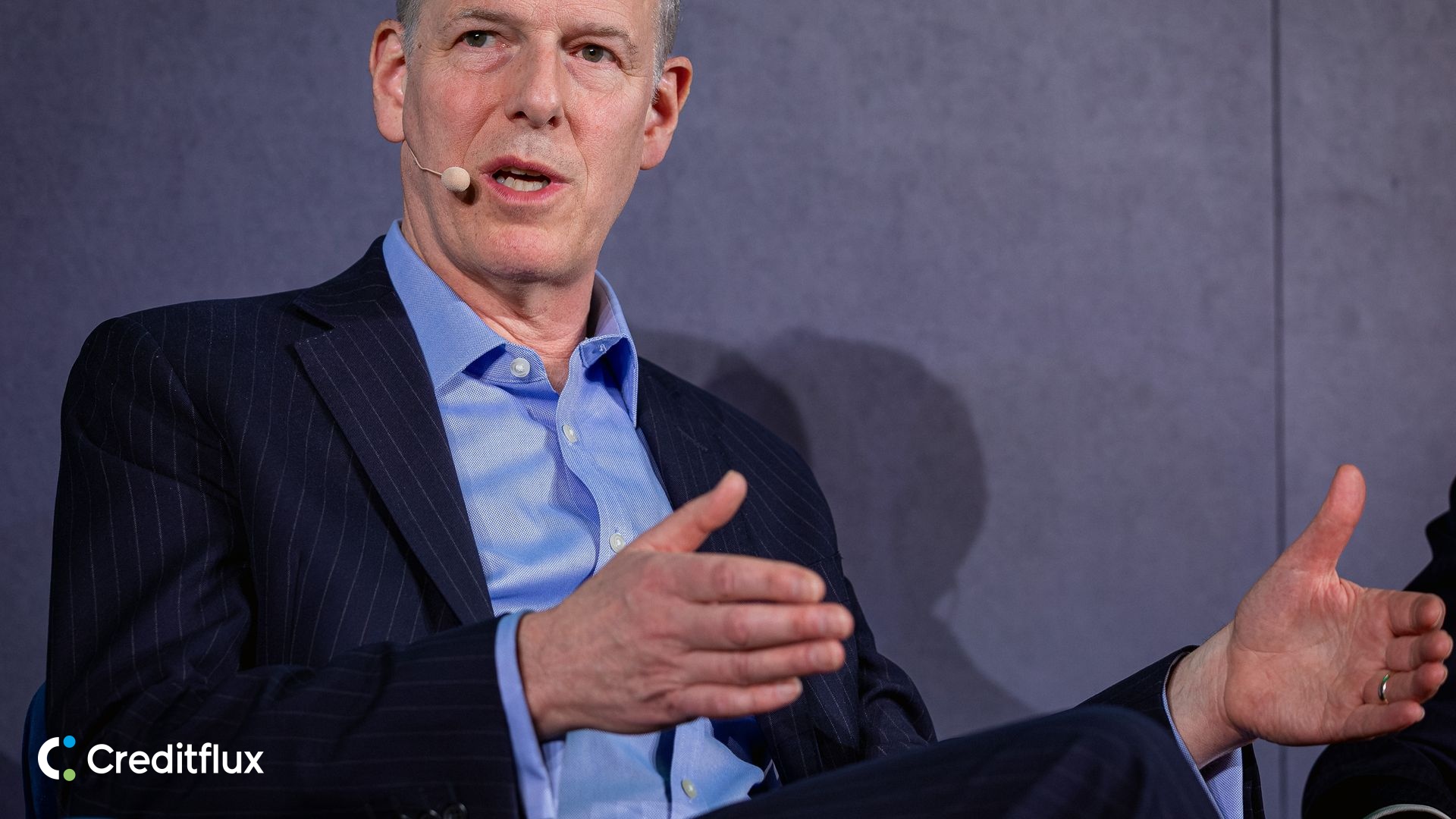
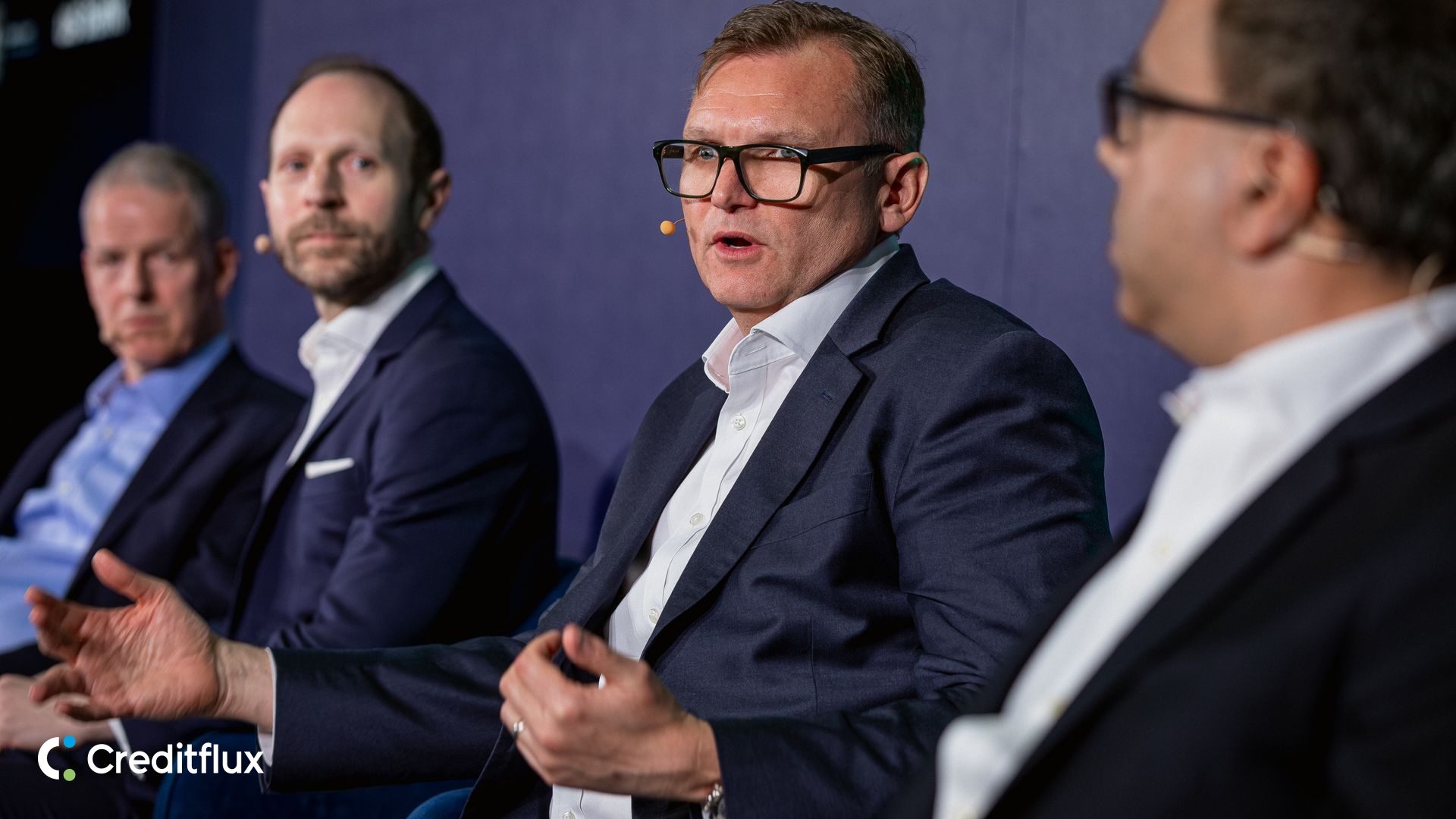
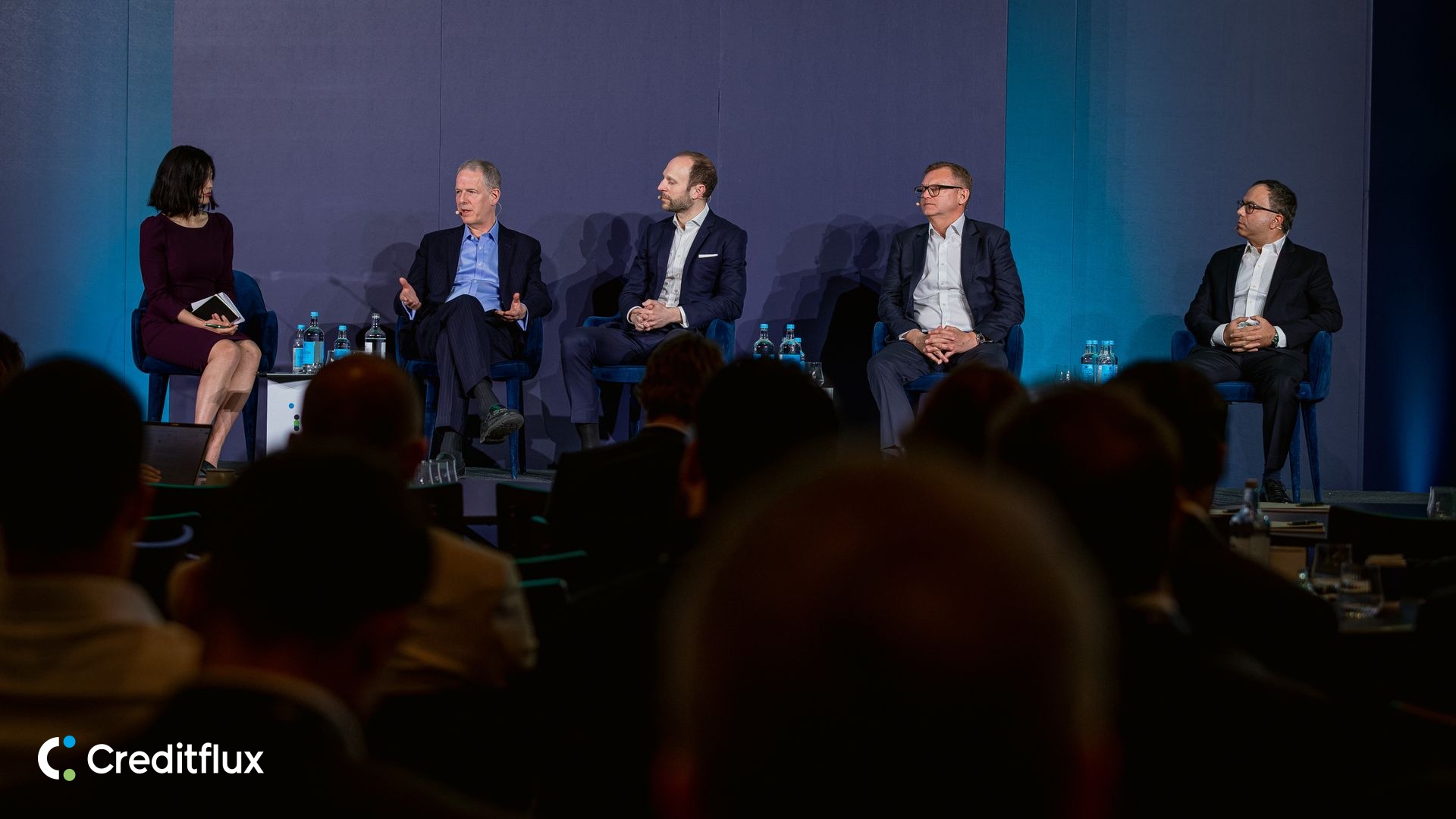
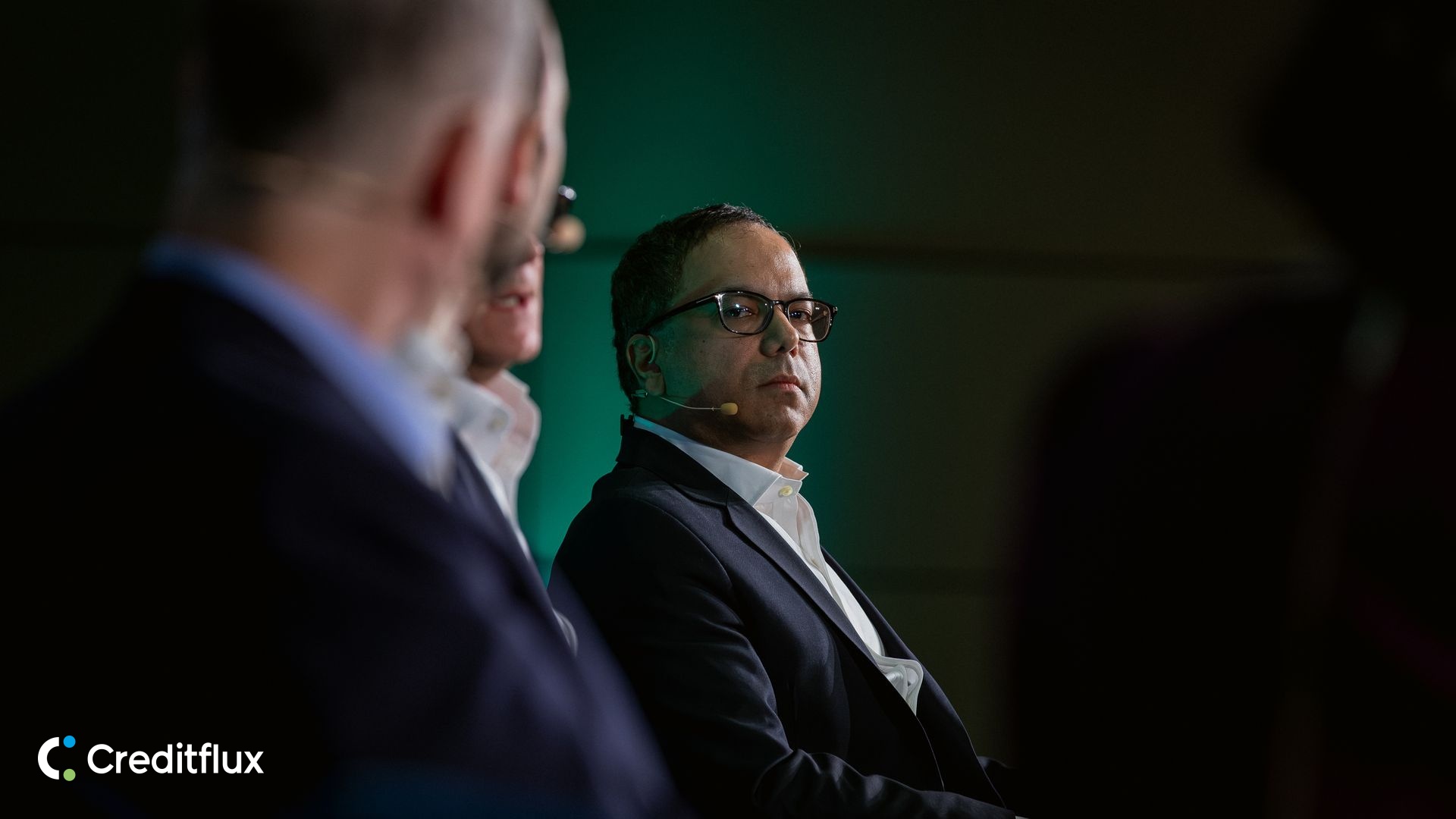
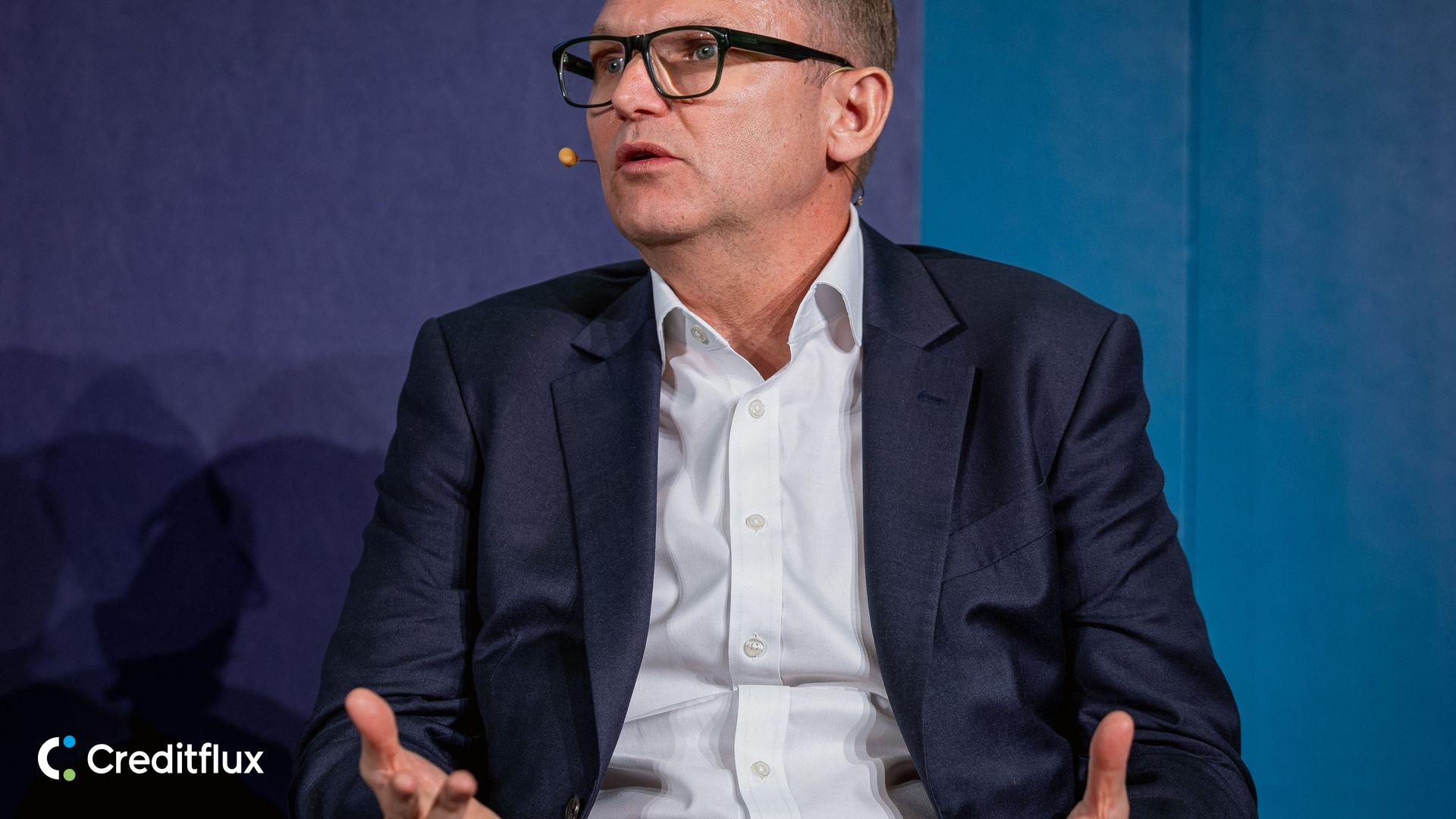
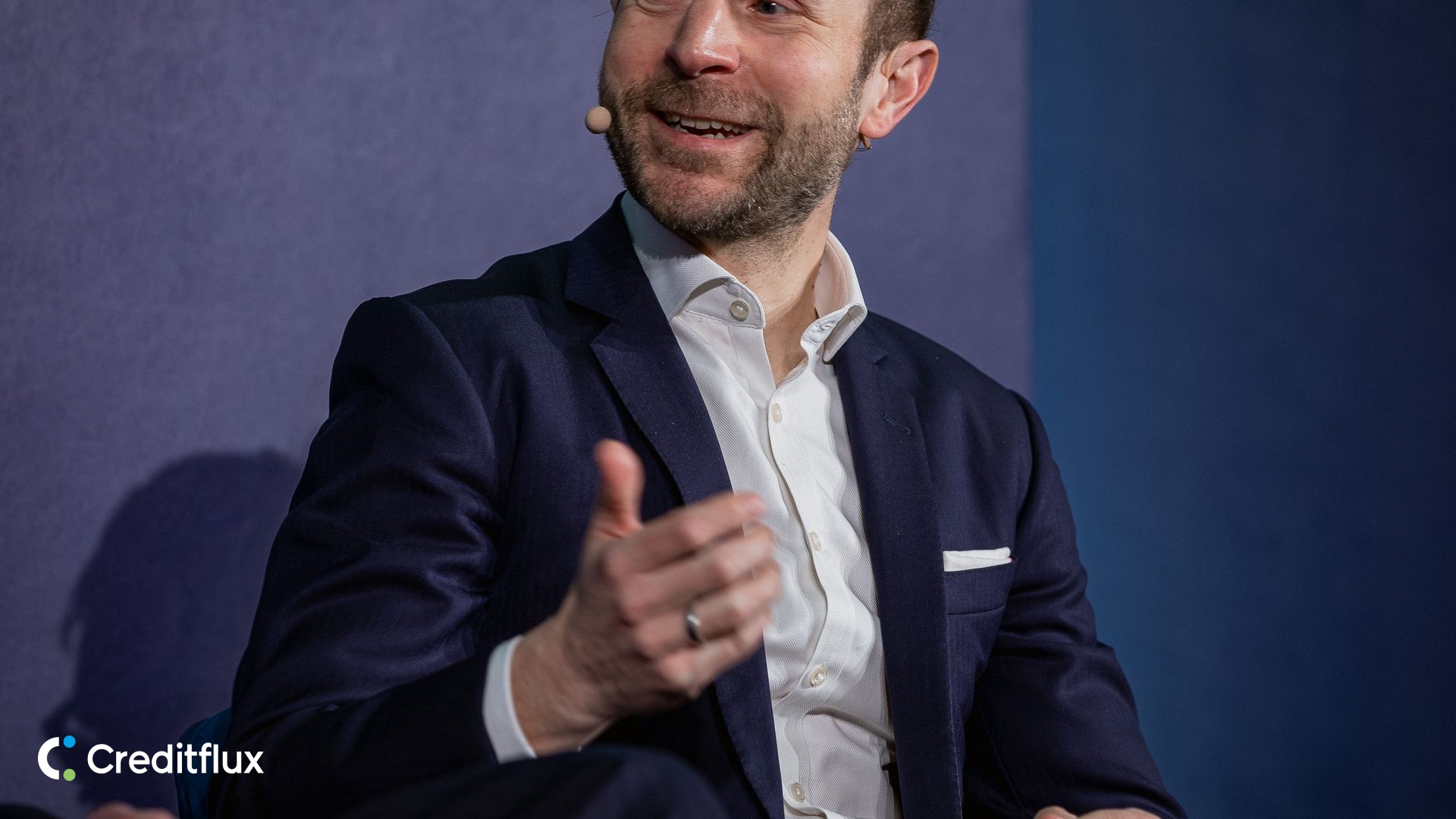
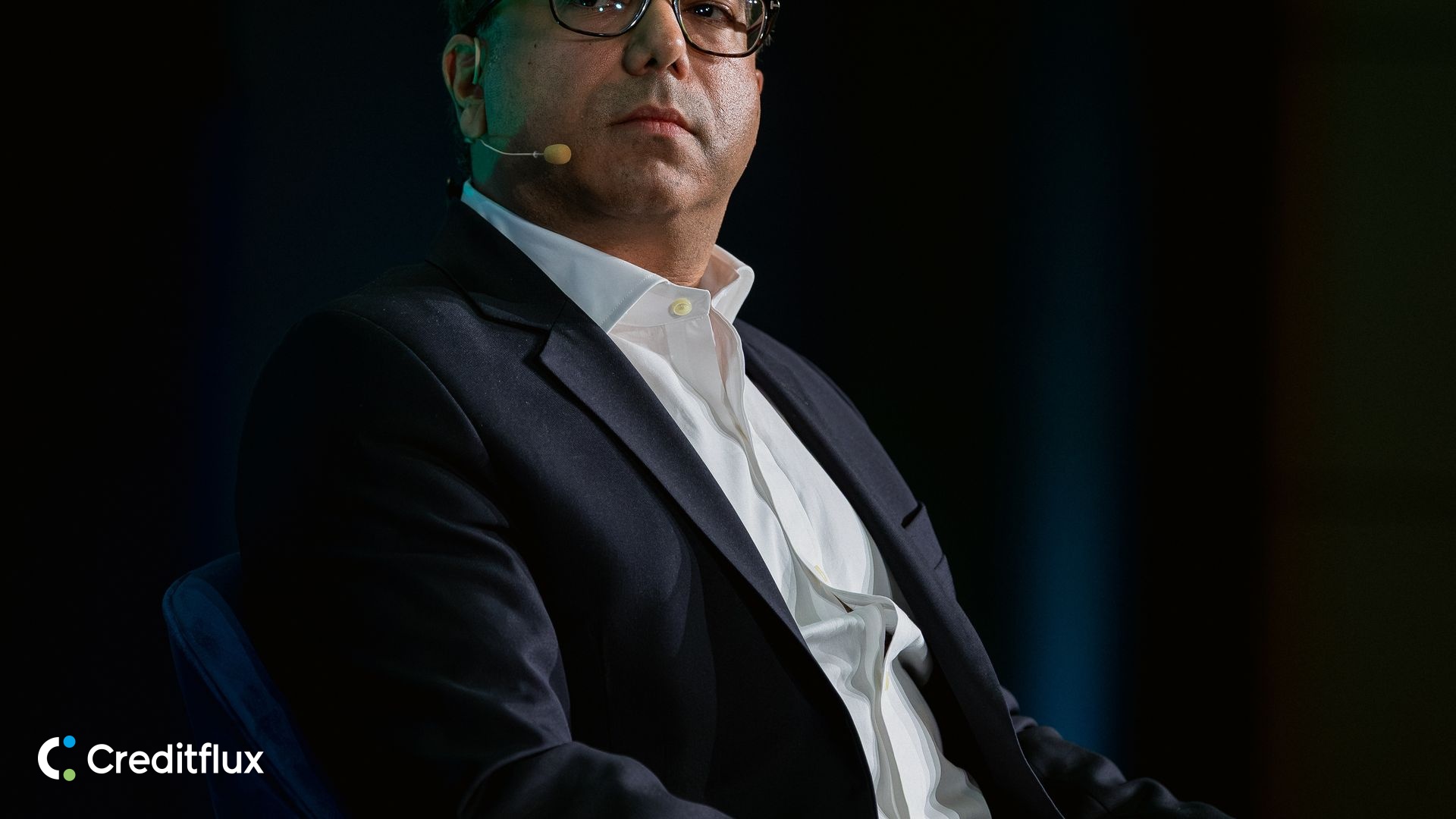
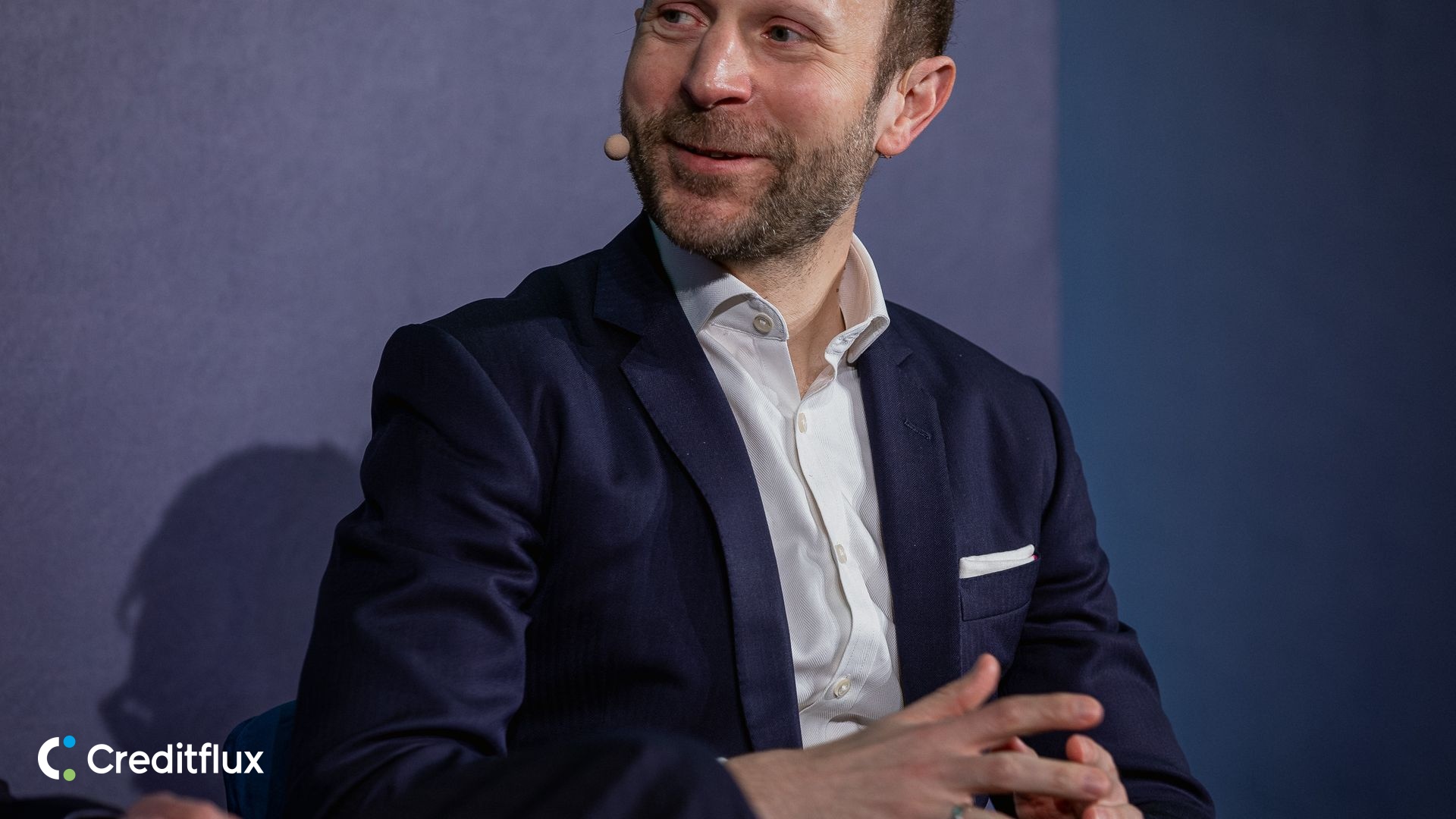
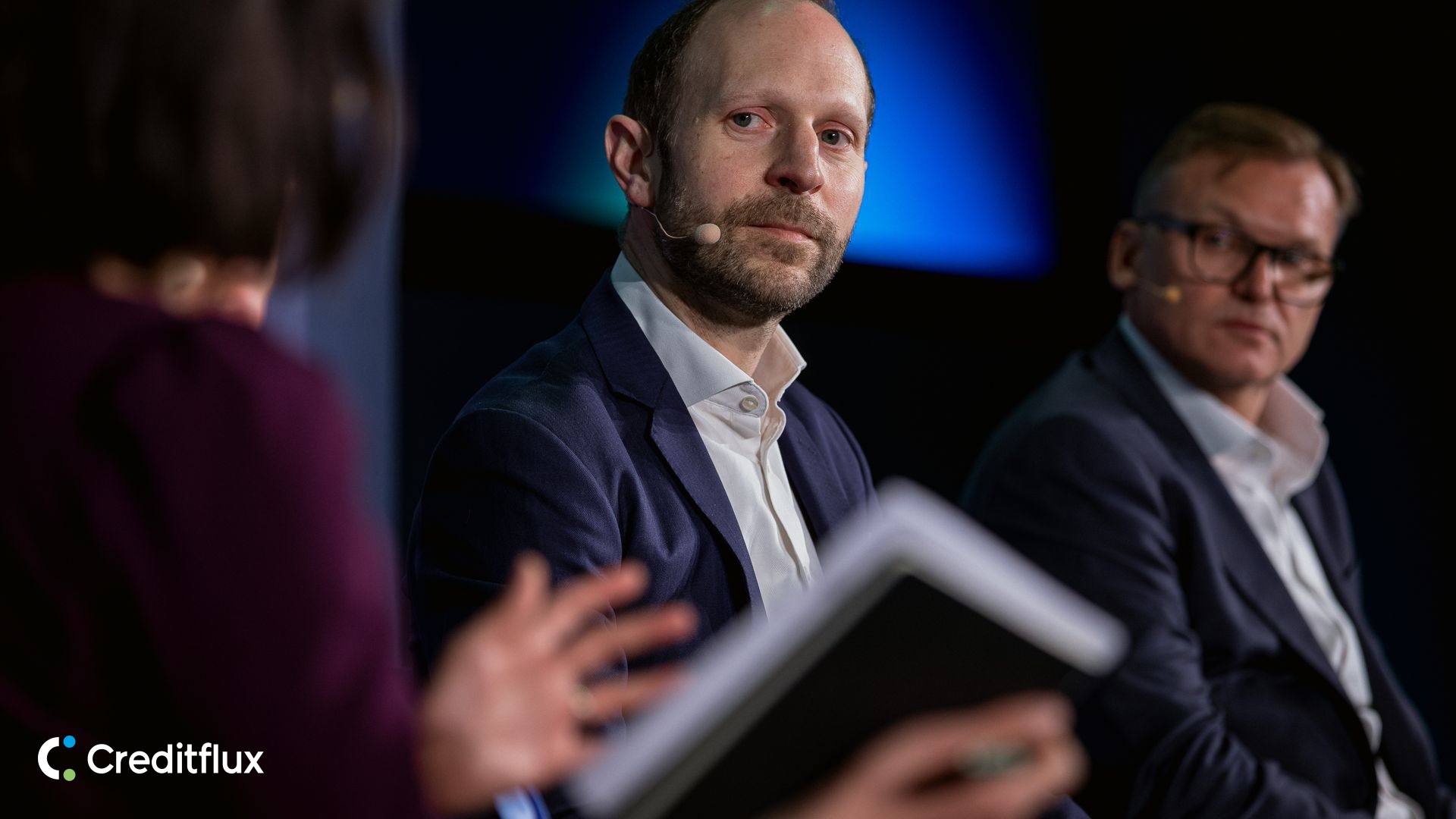
The moderator opens the discussion by noting how interconnected credit and private equity markets are, especially in uncertain times. Panelists introduce themselves, representing JPMorgan, Fasanara Capital, Pearl Diver Capital, and Sculptor Capital. The moderator then frames the key question: after optimism heading into 2026, how has the environment shifted due to geopolitical conflict, interest rate uncertainty, and energy supply concerns?

Leveraged Credit Markets: Resilience Despite Macro Headwinds

Ben Thompson from JPMorgan describes a market where leveraged credit appears surprisingly resilient despite macro concerns, noting that the technical backdrop — excess liquidity versus limited new supply — continues to favor issuers and borrowers. He highlights that the forward M&A calendar in European leveraged finance remains elevated at around $15 billion, and that underwriting capacity and buy-side demand remain strong, even as some sectors like software and energy-exposed names face headwinds.

Private Equity Challenges: Unsold Assets and Exit Logjam

Adeel Shafiqullah from Sculptor Capital examines how the private equity LBO model has been disrupted. With interest rates roughly double what they were during the 2020-2021 vintage, many portfolio companies are struggling to grow into their capital structures. He highlights that approximately $3.7 trillion in unsold assets sit with PE sponsors across 32,000 companies, with average holding periods extending from 5 to 7 years. Traditional exit channels — secondary buyouts, strategic sales, and IPOs — are all more constrained today.

Key Risks to Deal Making: AI Disruption and the Iran Conflict

The panel debates the biggest challenges to new deal activity. Till Schweizer highlights the Iran conflict and resulting oil price risk as a potential stagflation trigger, while also flagging AI as a structural threat requiring long-term conviction. He suggests that consumer businesses spun off from large European conglomerates — such as those from Unilever, Nestle, and Bayer — may represent more attractive LBO targets. Matthew Layton adds that Europe's CLO portfolios are better insulated from AI and software risk due to smaller sector exposure, though only the healthiest companies in challenged sectors will access the broadly syndicated market.

BSL Market Conditions and the 2028 Maturity Wall

Ben Thompson compares current market conditions to prior periods of volatility, arguing that financing conditions remain favorable for quality credits. He notes that high yield fixed-rate markets are extremely liquid with tight pricing, while the loan market remains selective but open. However, he flags a significant concern: approximately 60 billion euros of European leveraged loans mature in 2028, with 36% trading below 90 cents and 22% below 80 cents — a potential source of disruption that could outweigh new supply concerns. Adeel and Till reinforce that selectivity and sponsor quality are increasingly critical filters.

Sponsor Behavior, Interest Rate Sensitivity, and Private Credit Opportunity

The panel explores how the 2021 vintage experience — where many sponsors were caught unhedged as rates rose sharply — is influencing current underwriting discipline. Ben Thompson notes increased focus on interest rate sensitivity and hedging policies. Adeel Shafiqullah argues that private equity value creation must now rely on genuine organic growth rather than financial engineering or multiple expansion. Matthew Layton observes that longer holding periods and fewer tertiary buyouts are reducing loan supply, while Ben highlights an emerging opportunity for private credit to capture deals that don't fit the obvious broadly syndicated profile.

CLO Warehouses, Equity Returns, and Market Structure

Matthew Layton discusses the large number of open CLO warehouses globally, noting that many represent strategic positioning rather than immediate issuance pipelines. He explains that CLO equity returns have reset to low double digits rather than the high-teen IRRs of prior years, and that this is becoming the new normal. He also explores how secondary CLO equity — particularly end-of-reinvestment-period paper — can offer IRRs of 30-40% with strong cash-on-cash protection. Adeel adds that CLO equity compares favorably to private equity on DPI and to private credit on transparency.

New Issue Loan Evaluation and the Investable Universe

Till Schweizer describes the challenges of building a new CLO platform in a market where demand for loans consistently outstrips supply. He explains how he capitalized on secondary market weakness in March to acquire assets at a discount, but notes that the secondary market's long tail of underperforming loans trading in the 80s and low 90s limits the investable universe for a clean first warehouse. He emphasizes the need for a stronger M&A pipeline to expand available assets.

Sector Opportunities, Bifurcation, and Pricing Divergence

Ben Thompson outlines active sectors in the leveraged finance pipeline, highlighting industrials and corporate spin-outs as key sources of deal flow, alongside selective opportunities in chemicals and retail. He and Adeel Shafiqullah discuss the growing bifurcation in the loan market, where top-quality credits attract overwhelming demand and tight pricing — as seen with the Electronic Arts deal — while challenged credits face significantly wider spreads and OID. The Sealed Air transaction is used as a case study in how leverage, adjustments, and documentation issues compound to push pricing wider. Matthew Layton adds that the technical strength keeping 30% of loans above par masks underlying stress and represents a structural market shift.

2026 CLO Issuance Outlook and Closing Views

In a rapid-fire closing round, panelists share their expectations for full-year 2026 CLO issuance. Ben Thompson notes that despite headwinds, issuance is tracking close to 2025's record pace and expects near-record volumes. Till Schweizer anticipates strong volumes once geopolitical clarity emerges. Matthew Layton draws parallels to 2019 — a year of market fatigue after multiple years of rally — and cautions that the current macro risks are more complex and multi-party than last year's tariff situation. Adeel Shafiqullah expresses confidence that dry powder will be deployed, though vintage timing will matter. The panel closes with a consensus that discipline remains intact despite technical imbalances.