Infralogic Investors Forum New York 2026

location_on Convene Brookfield Place, 225 Liberty, New York Map

Highlights from 2025

Explore the 2025 highlights to see key discussions, expert viewpoints, and the moments that shaped last year’s Forum.

Be part of the Infralogic Investors Forum New York 2026 and connect with the leaders shaping the future of US infrastructure investing.
 

The growth of data centers, AI and debt financing

The convergence of data center growth and increased power generation demands serves as a compelling investment opportunity. Industry experts explored the success of the sector, the state of the financing markets and more.

Discipline Over Growth in Data Center Contracting

As data center demand accelerates, execution and contract risk are being mispriced by some developers. Committing to fixed‑price, long‑dated delivery terms without clear visibility on power, equipment and labour can leave assets exposed as projects scale. Disciplined contract structures, location selection and delivery certainty matter more than headline capacity growth.

  • image
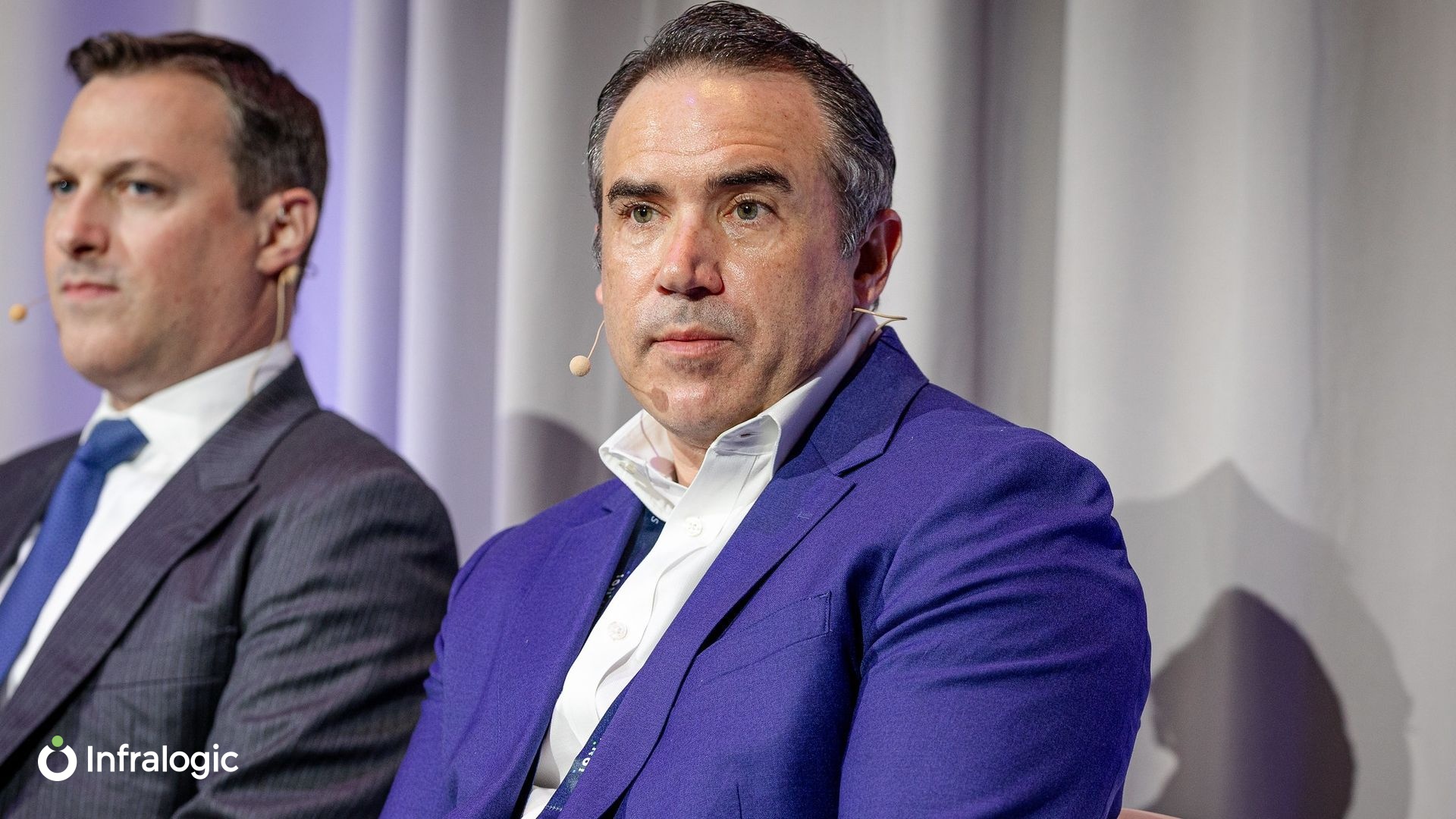
    Waldemar Szlezak Partner, KKR

Power as the Defining Constraint for Data Centers

Access to contracted power is the key factor when committing capital to data center development, with limited appetite for speculative sites without a clear path to power. Power will remain the main constraint in winning and developing sites, driving interest in solutions such as on‑site generation, microgrids and renewables. While water and cooling technologies are evolving, securing power — often through more creative procurement strategies — remains the central focus.

  • image
    Richard Brode Managing Director, Stonepeak

How Data Center Debt Financing Is Evolving

The data center debt market is becoming more competitive as banks and credit funds all deploy capital across construction and stabilised assets. With senior debt pricing tight, he noted that lenders are increasingly looking at second‑lien and holdco structures to enhance returns, supported by strong contracts and cash flows. He also flagged the growing gap between bank and ABS financing, and the unanswered question of how large volumes of construction debt will ultimately be refinanced as projects reach completion.

  • image
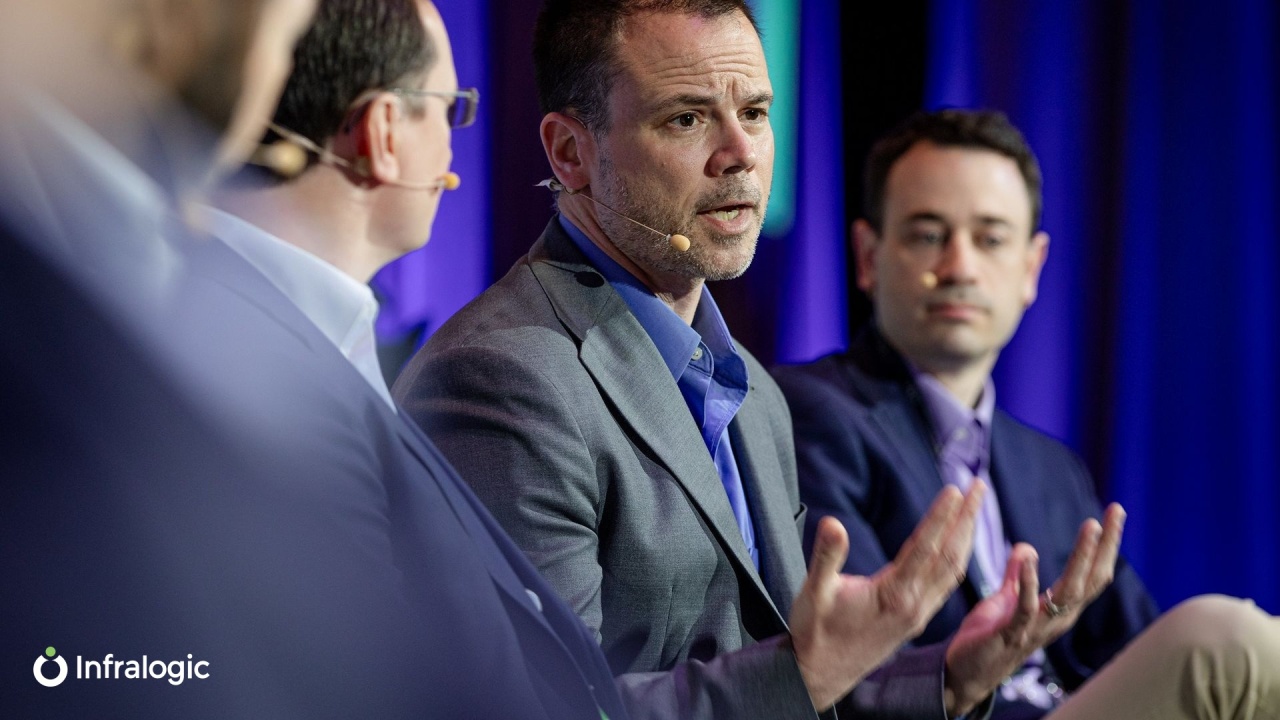
    Daniel Seltzer Managing Director, Head of Infrastructure Project Finance, MUFG

Energy and renewables - meeting the demand

Infrastructure energy experts discuss how the US energy matrix changing and where investors are finding opportunities, and how the geopolitical and regulatory environment will impact investment opportunities.

Tariffs, Timing and Supply Chain Certainty

Tariff risk is evolving quickly and is more uncertain than tax credits, but once equipment is secured, the exposure is largely fixed. It’s important to understand where equipment sits in the supply chain, diversifying sourcing where possible, and timing offtake commitments carefully. Drawing on the solar sector’s long experience with tariffs, Patrick added that the ability to manage supply chains and secure equipment at a reasonable cost is a key differentiator for successful renewable projects.

  • image
    Patrick Langan Managing Director, Partners Group

Starting Construction to Manage Policy Risk in Renewables

In response to policy and regulatory uncertainty, renewable energy investors are increasingly focused on accelerating the start of construction using well‑established safe harbour rules. Demonstrating early commitment—through methods such as the five‑percent test or off‑site physical work—can help protect projects from potential law changes, though rising costs and uncertainty around final project pricing are making these thresholds harder to manage.

  • image
    Dorian Hunt Partner, Head of Renewable Energy, Leo Berwick

The emergence of private credit in infrastructure

The convergence of data center growth and increased power generation demands serves as a compelling investment opportunity. Industry experts explored the success of the sector, the state of the financing markets and more.

A Collaborative Model for Infrastructure Financing

Private credit and banks play complementary roles in infrastructure finance rather than competing with one another. While private credit typically provides longer‑dated term loans and takes on higher‑risk tranches, banks continue to supply essential products such as revolvers, letters of credit and hedging. Many deals are structured collaboratively, with private credit and banks working side by side to meet borrowers’ full financing needs.

  • image
    Ralph Cho Co-CEO and Founding Member, Apterra Infrastructure Capital

Banks Still Anchor Infrastructure Finance

Banks remain the cornerstone of infrastructure financing. Borrowers will always turn to banks first, but as infrastructure funding needs continue to expand, bank capital alone will not be sufficient. Forward‑thinking borrowers need to approach financing more holistically and encourage partnerships between banks and private credit, those who fail to diversify their funding sources may face constraints over the long term.

  • image
    Orhan Sarayli Head of North America, Global Infrastructure, Barings

Private Capital Supporting the Next Phase of Infrastructure

Infrastructure is still an emerging investment class with significant capital needs ahead, creating a growing role for private capital. Despite regulatory noise, geopolitical uncertainty and market caution, Marie expressed confidence that private credit can step in—particularly in the short to medium term—to support the next wave of infrastructure projects globally, while highlighting the resilience of her firm’s portfolio through inflation, rising interest rates and COVID and her optimism for the sector’s future.

  • image
    Marie-Christine Beaulieu Senior Director, Infrastructure Financing, CDPQ